
🎭 Fragments from the heart of civilization
British Grave Robbing and the Anatomy Act Scandal
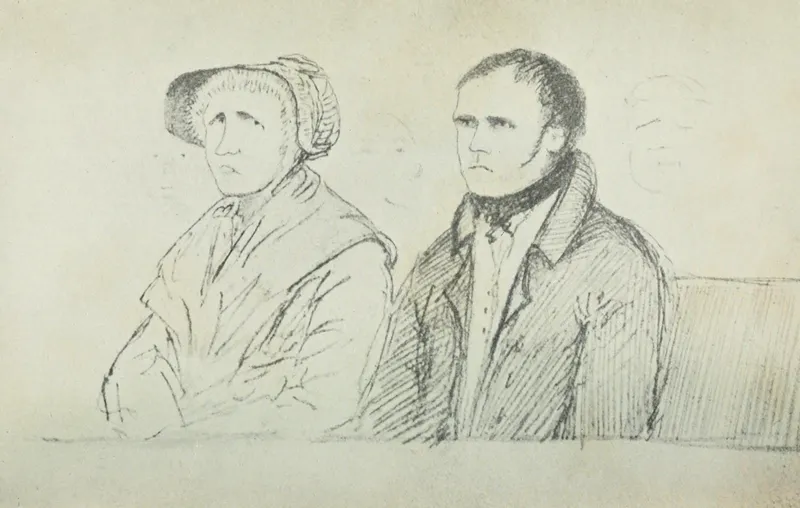
- What: Britain’s shortage of legal cadavers in the early 19th century fueled grave robbing for medical dissection, until the 1832 Anatomy Act created a legal supply of bodies and reduced the trade.
- Where: Britain, especially medical centers such as London and Edinburgh.
- When: Early 19th century, culminating in the 1832 Anatomy Act.
In early 19th-century Britain, medical schools needed bodies, and the law did not provide enough of them. That shortage helped create a criminal trade: grave robbers, often called resurrection men, dug up the newly buried and sold the corpses to anatomy teachers.
Why Grave Robbing Grew
The scandal was not hidden at the edges of society. It sat right beside respected medicine. Anatomy had become central to medical training in cities like London and Edinburgh, but legal cadavers were scarce. For much of this period, anatomists could mainly dissect the bodies of executed criminals. That supply was far too small for the growing number of students. So a black market took over.
The trade worked with disturbing efficiency. Gangs watched funerals, waited for fresh burials, and returned at night. Families guarded graves, hired watchmen, and built heavy mortsafes and iron cages to protect coffins. Public fear rose because the theft was not just property crime. It violated mourning itself. The body could disappear between burial and morning.
Burke and Hare Murders
The crisis deepened in 1828 with the Burke and Hare murders in Edinburgh. Those killings were not ordinary grave robbing; they involved murder for sale to an anatomist, and they horrified Britain. But the wider scandal was bigger than one case. It exposed a system in which medical demand, weak law, and criminal suppliers had become entangled.
The 1832 Anatomy Act
That pressure led to reform. In 1832, Parliament passed the Anatomy Act. The law expanded the legal supply of bodies for dissection, especially unclaimed bodies from workhouses, hospitals, and similar institutions, subject to the rules of the time. It reduced reliance on grave robbers by giving anatomy schools a lawful channel for obtaining cadavers.
The change solved one problem while creating another moral burden. Grave robbing declined, but the new system fell heavily on the poor, whose bodies were far more likely to end up on the dissecting table than those of the wealthy. In that sense, the scandal did not simply end a crime. It revealed how unevenly British society distributed dignity, even after death.
The concrete legacy is still visible in the history of medicine. Britain’s anatomy schools stopped depending primarily on stolen corpses not because demand disappeared, but because public outrage forced the state to replace an illegal corpse market with a legal one.
Did You Know?
The 1752 Murder Act allowed the bodies of some executed criminals to be dissected, which helped make dissection a formal punishment before cadaver supply was expanded in 1832.