
🧩 Fragments from the unknown
Boston to Calcutta Ice Trade Began With One Shipment
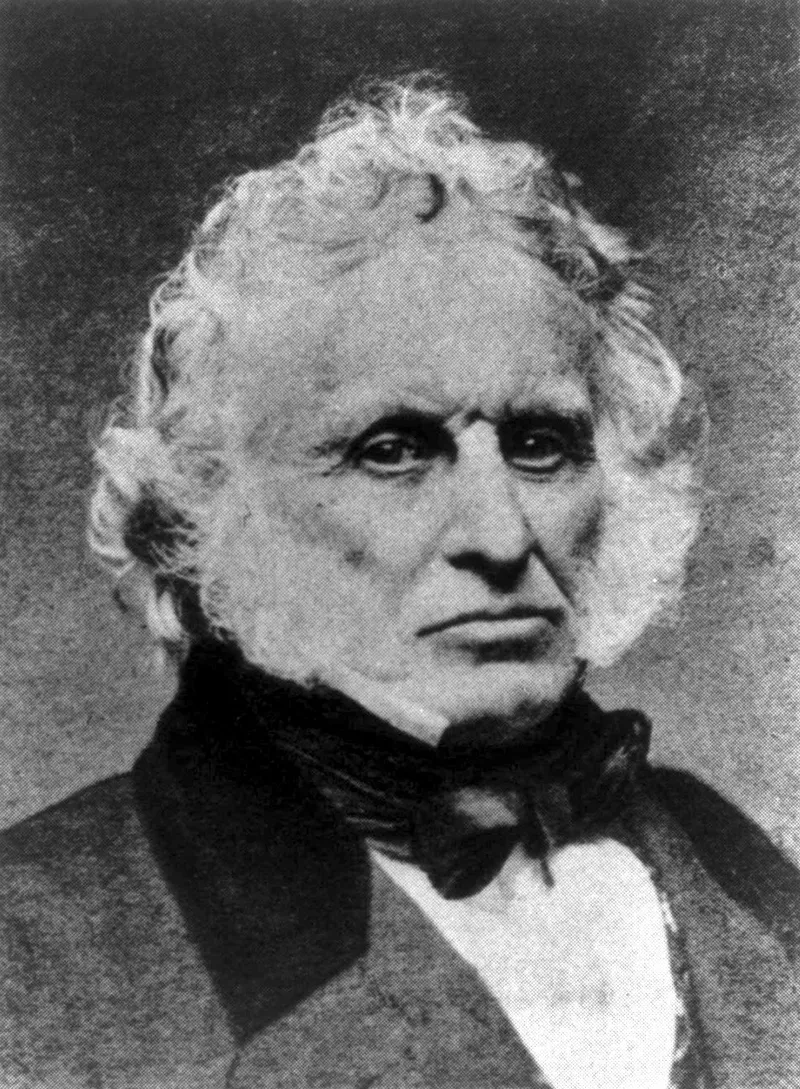
- What: In 1833, Frederic Tudor’s shipment of New England natural ice to Calcutta demonstrated that ice could survive a long voyage to India and be sold in a tropical market.
- Where: From Boston, New England, to Calcutta, India.
- When: 1833, during the early nineteenth-century ice trade.
In 1833, merchants in New England sent a cargo that sounded almost absurd: natural ice cut in winter near Boston and shipped all the way to Calcutta. It arrived well enough to prove a bigger point. Ice could survive a voyage to the tropics, and that changed what ice was.
Frederic Tudor and the Calcutta Shipment
The key figure was Boston entrepreneur Frederic Tudor, already known for trying to sell American ice abroad. Earlier ventures had shown that ice could move long distances, including shipments to the Caribbean and, in 1833, to India. But Calcutta mattered because it was far, hot, and commercially important. If a cargo of frozen New England pond ice could make it there by sea, then ice was no longer just a local winter product. It was an export.
The shipment depended on insulation, timing, and scale. Workers cut large blocks of natural ice during the New England winter, packed them tightly into a ship’s hold, and surrounded them with insulating material such as sawdust. Some melting was expected. The goal was not to keep every block intact, but to deliver enough saleable ice to make the trip worthwhile. That is what happened.
How Ice Survived the Voyage
The idea seems simple now, but at the time it solved a practical question with real doubt behind it. Could something that naturally disappeared in heat survive months at sea and still be worth selling in a tropical city? The Boston-to-Calcutta success answered yes. Not perfectly, not without loss, but yes in business terms, which was what mattered.
The consequence was larger than one profitable cargo. Once merchants knew tropical ice transport could work, the trade expanded. Natural ice from colder regions was shipped to warm ports around the world. Icehouses were built. Urban elites, hotels, hospitals, and merchants gained access to cooling, food preservation, and chilled drinks long before mechanical refrigeration became common. A seasonal local material had been turned into part of global commerce.
Global Impact of the Ice Trade
That is the concrete significance of the 1833 Boston-to-Calcutta shipment. It did not invent ice harvesting, and it did not end the problem of melting. What it did was prove that a winter harvest from New England could be sold in India after a transoceanic voyage. From that point on, ice was not just something people cut from nearby ponds. It was something companies could move across the world.
Did You Know?
Frederic Tudor was often nicknamed the “Ice King” because he helped turn natural ice into a major international business.