⚙️ Traces from the dawn of innovation
SMS 160-Character Limit and How It Changed Writing
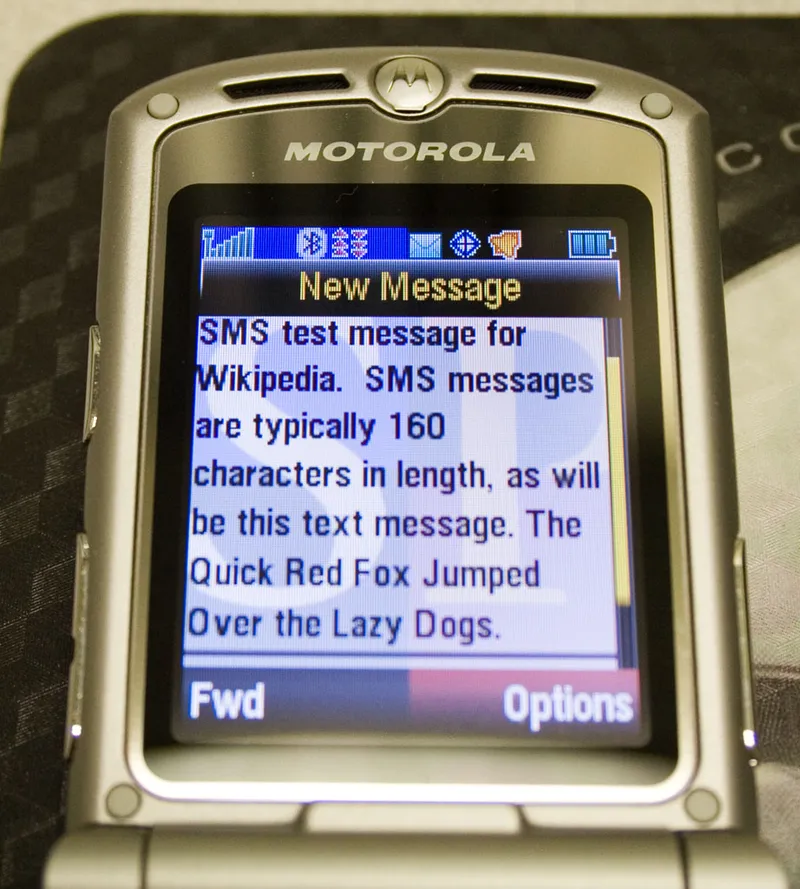
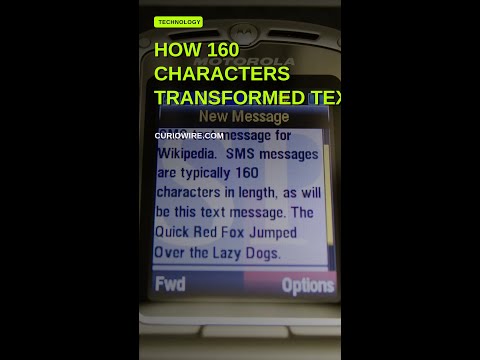
- What: The 160-character SMS limit came from early GSM design choices and shaped how people wrote short messages for decades.
- Where: In early GSM mobile messaging systems.
- When: In the 1980s, during the development of SMS.
The 160-character limit in SMS was not picked at random. In the 1980s, German engineer Friedhelm Hillebrand and colleagues working on early mobile messaging for the GSM standard tried to answer a simple technical question: how long does a short message actually need to be?
Why SMS Was 160 Characters
Hillebrand later said he tested the idea by typing sample messages on a typewriter and counting characters. According to that account, most everyday thoughts fit within 160 characters. The number also made practical sense for the networks being designed at the time. SMS had to ride along with signaling channels meant for control information, not long conversations, so brevity was a feature as much as a constraint.
The interesting part is what counted as “normal” writing in those experiments. Message habits were shaped by postcards, telegrams, telex, and teleprinter-style communication: compact, direct, stripped down to essentials. That made 160 characters feel workable. It was long enough for “Running late, be there at 6” and short enough to fit the limits of early mobile systems without demanding much bandwidth.
How SMS Changed Writing
Once that ceiling became part of GSM messaging, the effect spread far beyond engineering meetings. People trimmed greetings. Vowels disappeared. Abbreviations multiplied. Not because one engineer invented shorthand, and not because everyone suddenly wrote the same way, but because a hard technical boundary rewarded compression every time someone typed. Language bent slightly to fit the box.
That consequence lasted for decades. Carriers counted messages in units of 160 characters. Phones displayed the countdown. When a message ran long, systems often split it into multiple parts. Even after smartphones and modern chat apps removed much of that pressure, the writing style shaped by SMS stayed visible in internet culture: clipped phrasing, compressed jokes, and the habit of saying more with less space.
Legacy of the SMS Limit
So the 160-character SMS limit was a small engineering decision with a very large footprint. A number chosen during the design of mobile networks became a daily writing constraint for billions of messages, turning character counting into part of ordinary communication.
Did You Know?
Early SMS messages were sent over signaling channels, the same network pathways used for control information rather than voice calls.