
🕯️ Notes from the casefile
Great Train Robbery: Leatherslade Farm Fingerprints Led to Arrests
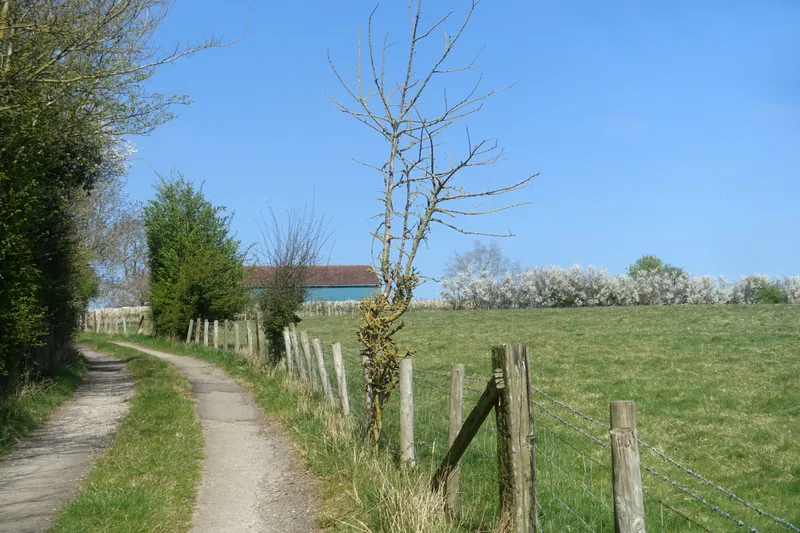
- What: Leatherslade Farm became a key piece of evidence in the Great Train Robbery investigation when police found fingerprints and other traces left by the gang after their hideout cleanup failed.
- Where: Leatherslade Farm near Oakley in Buckinghamshire, England.
- When: After the 8 August 1963 Great Train Robbery.
After the 1963 Great Train Robbery in England, one of the gang’s biggest problems was not the stolen money. It was Leatherslade Farm, the rural hideout they used after the raid. The plan, according to widely reported accounts, was to have the farmhouse destroyed to wipe away traces of the men who had been there. That cleanup failed.
Leatherslade Farm Hideout
The robbery itself took place on 8 August 1963, when a Royal Mail train traveling from Glasgow to London was stopped in Buckinghamshire and attacked by a gang that escaped with millions in used banknotes. Soon after, many of the robbers moved to Leatherslade Farm, near Oakley in Buckinghamshire, where they split the money and waited for the pressure to ease.
But the farm quickly became a liability. The gang had spent days there, eating, sleeping, and handling everyday objects. That meant fingerprints were everywhere. Reports from the case say there was an arrangement for the farm to be burned after they left, which would have destroyed much of that evidence. For reasons still recounted as a botched follow-through rather than any mystery, the farm was not set on fire.
Fingerprints at Leatherslade Farm
When police found Leatherslade Farm, they did not walk into an empty dead end. They found cups, bottles, plates, a Monopoly board, and surfaces that had been touched over and over again. Detectives were able to recover fingerprints and compare them with existing records. That gave investigators something solid: not rumor, not anonymous tips, but physical evidence tying specific men to the hideout.
How the Evidence Led to Arrests
Those prints helped lead police toward members of the gang. Not every arrest came from the same piece of evidence, and the full investigation involved surveillance, informants, and international pursuits. But Leatherslade Farm became a turning point because it turned a hidden refuge into a usable map of who had been there.
The consequence was simple and damaging for the robbers: a hideout meant to shield them became one of the strongest links in the case against them. In a crime planned with precision on the tracks, the overlooked details of a farmhouse kitchen and living space ended up helping break the gang. Leatherslade Farm mattered because it was where the attempted cleanup failed, and where the evidence was left behind long enough for police to use it.
Did You Know?
The Royal Mail train targeted in the robbery was traveling from Glasgow to London.