
🏺 Recovered from the dusty archives
John Adams, Facts, and the Boston Massacre Trial
Facts are stubborn things.
- Who: John Adams.
- Where: In Boston, during his closing argument in the trial of the British soldiers accused after the Boston Massacre.
- When: December 3 and 4, 1770.
- Why: The line mattered because Adams used it to insist that the jury decide the case by evidence rather than public anger, underscoring the rule of law in a politically charged colonial trial.
“Facts are stubborn things” is one of John Adams’s most remembered lines, but it did not begin as a general saying about truth. Adams used it in a specific, high-pressure setting: his closing argument on December 3 and 4, 1770, defending the British soldiers tried after the Boston Massacre in Boston.
John Adams and the Trial
That setting matters. The shootings of March 5, 1770, had already become a political flashpoint in colonial Boston. Many townspeople saw the soldiers as symbols of British oppression, and anger against the army was real and intense. Adams, who would later become a leading patriot, took the unpopular job of defending the accused soldiers because he believed they were entitled to a fair trial. His argument had to push against public emotion without denying the seriousness of the deaths.
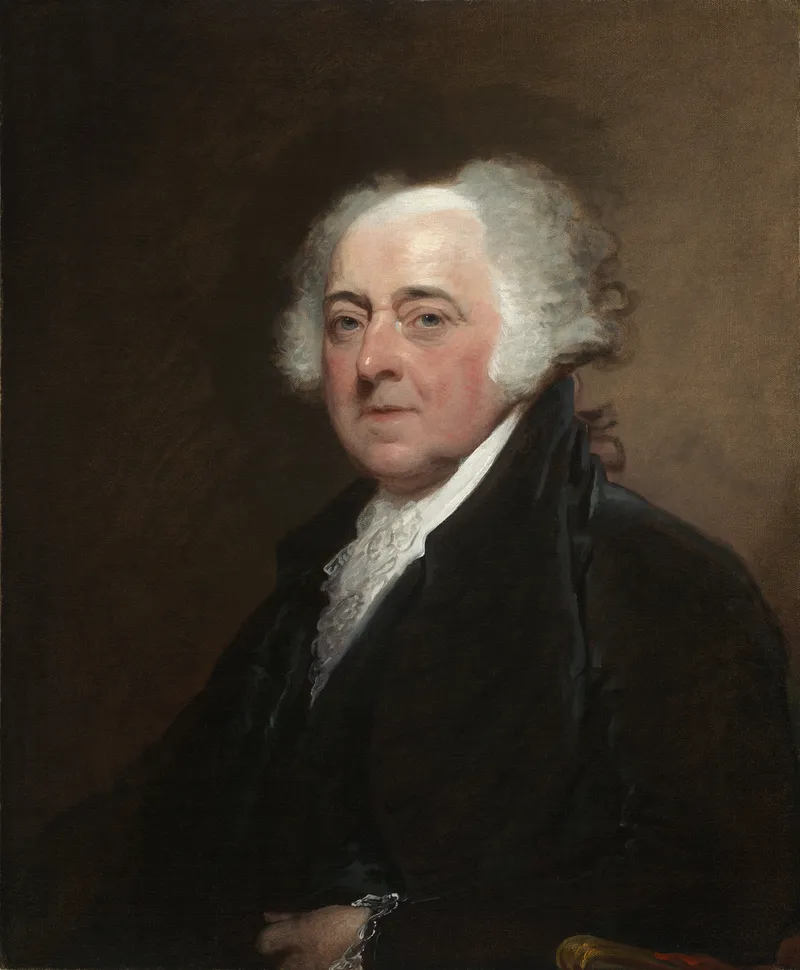
That is where the line landed so hard. Adams said that facts could not be changed by wishes, passions, or prejudice. The force of the wording is its plainness. He did not offer a soaring slogan. He gave the jury a discipline: separate what happened from what people wanted to believe happened. In a town already moving toward revolution, that was not a small demand. It asked Bostonians to prove that their opposition to British power did not cancel their commitment to law.
Boston Massacre Trial Verdict
The quote mattered because the trial was a test of more than the soldiers’ guilt. It tested whether colonial resistance would operate inside legal standards or surrender to collective rage. Adams’s line framed the case as a question of evidence. Witness testimony was conflicting. The defense argued that the soldiers had faced a threatening crowd and that not all bore equal responsibility. The verdict reflected that complexity: most of the soldiers were acquitted, while two were convicted of manslaughter rather than murder.
The phrase also resonated because it came at a moment when propaganda and memory were already shaping the event. The Boston Massacre was quickly turned into a powerful political symbol, but a courtroom required another standard. Adams’s sentence drew a boundary between public outrage and legal proof. That boundary was especially meaningful in revolutionary Boston, where claims of liberty would ring hollow if justice depended only on which side the crowd favored.
Facts Are Stubborn Things
People still remember “Facts are stubborn things” because it sounds timeless, but its endurance comes from its original use. Adams was not offering a decorative maxim. He was defending the idea that even in a city charged with anti-British feeling, a jury had to decide on evidence. The line lasts because it captures, in a few blunt words, how the rule of law was tested before the American Revolution had fully begun.
Did You Know?
Most of the soldiers were acquitted, while two were convicted of manslaughter rather than murder.