
🧪 Echoes from the lab
Seaweed Herbarium DNA Reveals Historic Coastal Climate Shifts
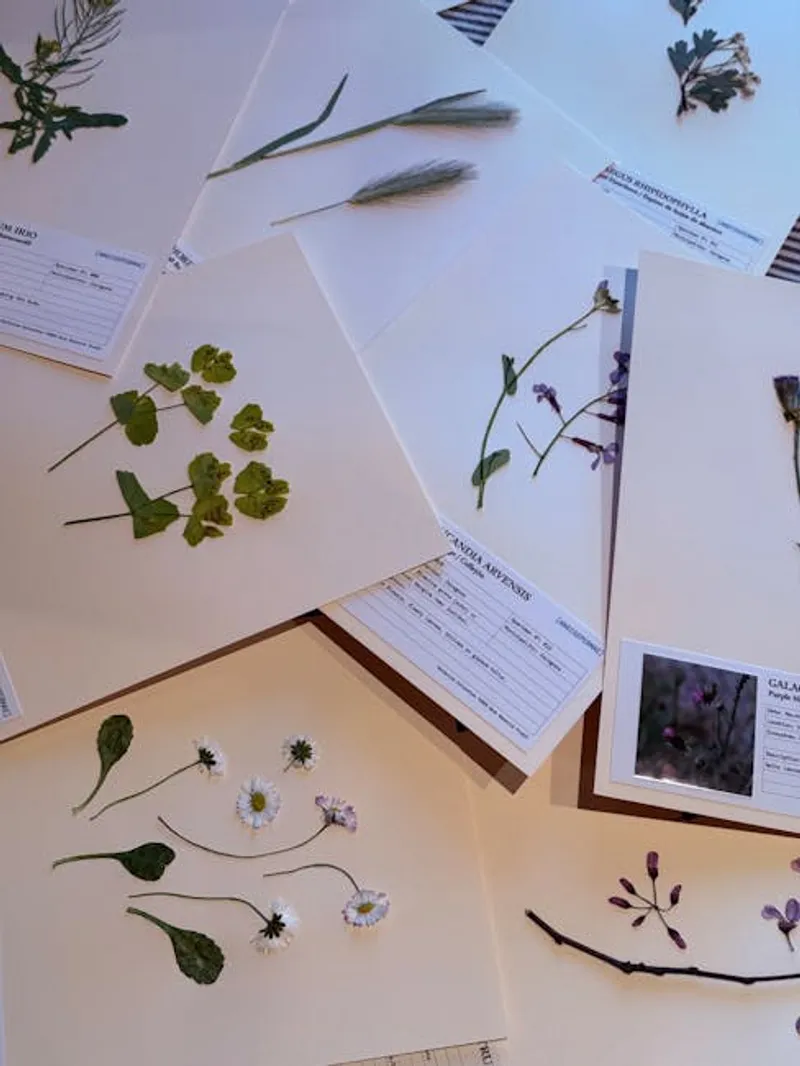
- What: Scientists can sequence DNA from 19th-century pressed seaweed specimens to reconstruct past coastal algal communities and compare them with modern ecosystems.
- Where: Coastal shorelines and marine herbarium collections.
- When: 19th-century specimens compared with present-day surveys.
Pressed seaweed collected in the 19th century is giving scientists a direct way to compare past and present coastal ecosystems. By sequencing DNA from herbarium specimens, researchers can reconstruct which algal species lived along shorelines more than a century ago and track how those communities changed as ocean conditions warmed.
DNA From Herbarium Seaweed
The specimens doing the work are plain enough: dried seaweed sheets stored in museum and university collections, some gathered in the 1800s. For decades, they mainly served as visual records of what had been found at a certain place and date. Now they can also preserve genetic information. Even after long storage, fragments of DNA can sometimes be recovered and matched to modern reference data, letting researchers identify species that may look similar on paper but differ genetically.
That matters in coastal algal communities, where appearance alone can be misleading. Some seaweeds change shape depending on light, waves, or season. Others are cryptic species, nearly indistinguishable to the eye. DNA helps separate them, making old specimens useful for rebuilding a more accurate baseline of coastal biodiversity.
Historical Baselines for Coastal Algae
With those historical baselines, scientists can compare 19th-century shorelines with modern surveys. In some regions, that can show cold-water algae shrinking, warm-water species expanding, and local species mixes reorganizing over time. Instead of relying only on scattered written notes or recent monitoring, researchers can anchor climate-related change to actual specimens collected from specific coasts, often with dates and locations attached.
The key insight is practical: if historical communities are reconstructed from preserved seaweed, climate-driven change stops being just a broad trend and becomes a local record. A coastline can be examined species by species. That makes it easier to see whether a modern shoreline has lost former residents, gained newcomers, or shifted toward a different ecological balance.
Local Records of Climate Change
This does not mean every herbarium sheet yields perfect DNA, and preservation quality varies. But when sequencing works, a pressed seaweed sample from the 19th century becomes more than an archive label. It becomes evidence of what lived on a coast before modern warming had fully reshaped it, giving present-day marine ecology a concrete point of comparison grounded in time, place, and species.
Did You Know?
Herbaria are also widely used for studies of plant evolution and invasive species because preserved specimens can retain location and date information alongside the sample.