
⚙️ Traces from the dawn of innovation
Phone Camera Shutter Sound Rules Differ by Market
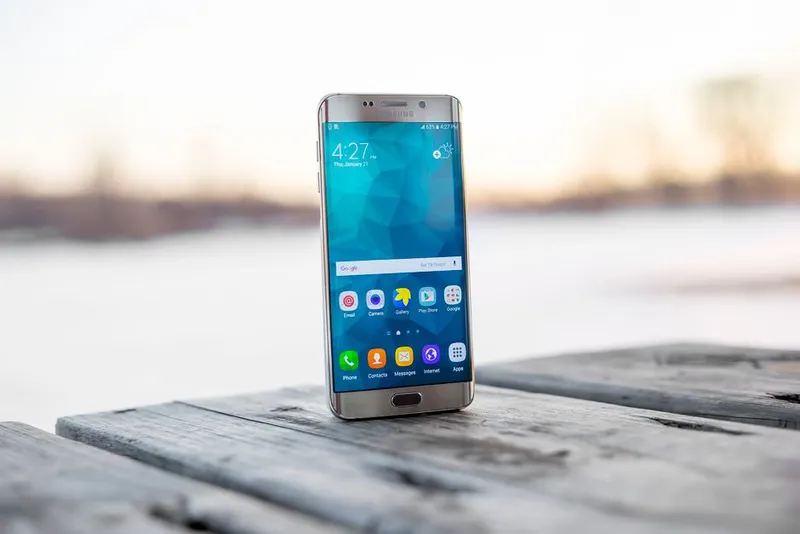
- What: The article explains that some phones sold in Japan and South Korea were shipped with region-specific firmware that kept camera shutter sounds on, even when the same hardware could be muted in other markets.
- Where: Japan and South Korea.
- When: Especially during the 2000s and 2010s.
Two phones can look identical, share the same camera hardware, and still behave differently the moment you press the shutter. In Japan and South Korea, many smartphones have shipped with region-specific firmware that makes the camera shutter sound hard to silence, not because of a national law requiring it, but because of carrier practices and industry norms that shaped how devices were sold in those markets.
Why Shutter Sound Rules Vary
That distinction matters. People often describe these shutter sounds as if they were legally mandated. In reality, the picture is more practical and less dramatic. Over the years, phone makers selling into Japan and South Korea often worked within expectations set by carriers, manufacturers, and local industry standards. The result was software tuned for those markets: same phone body, same lens, different default behavior.
The concept is simple. Hardware is global, but firmware is local. A manufacturer can take one model and load different regional software depending on where it will be sold. That software can control language options, network features, payment systems, and, in some cases, camera sound behavior.
Regional Firmware and Camera Sound
A common example is a phone model sold in the US or Europe with a camera sound that can be muted, while the Japanese or South Korean version of that same model keeps a shutter sound active even when the device is set to silent mode. The difference is not usually visible from the outside. It lives in the software build, the carrier customization, or the regional settings the manufacturer chose to ship.
That is the part many people miss: the sound was not necessarily coming from a courtroom or a statute book. It often came from the market structure around the phone. In the 2000s and 2010s, carriers had especially strong influence over handset configuration in several markets, and manufacturers adapted accordingly. The misconception is that if a device does something universally in one country, there must be a specific law behind it. Sometimes there is no such direct legal mandate at all, just a durable industry convention that becomes normal enough to feel like one.
Carrier Practices in Japan and Korea
So when two “identical” phones act differently, the explanation may be less about the camera and more about where the software was intended to live. A handset sold for Japan or South Korea could arrive with a shutter sound that stays on, while the same model sold elsewhere might not. The hardware tells only half the story; the market-specific firmware finishes it.
Did You Know?
Android and other smartphone systems often support regional builds that can change features such as payment services, language packs, and network settings, not just camera behavior.