
🕯️ Notes from the casefile
Stockholm Syndrome Began With a 1973 Bank Siege
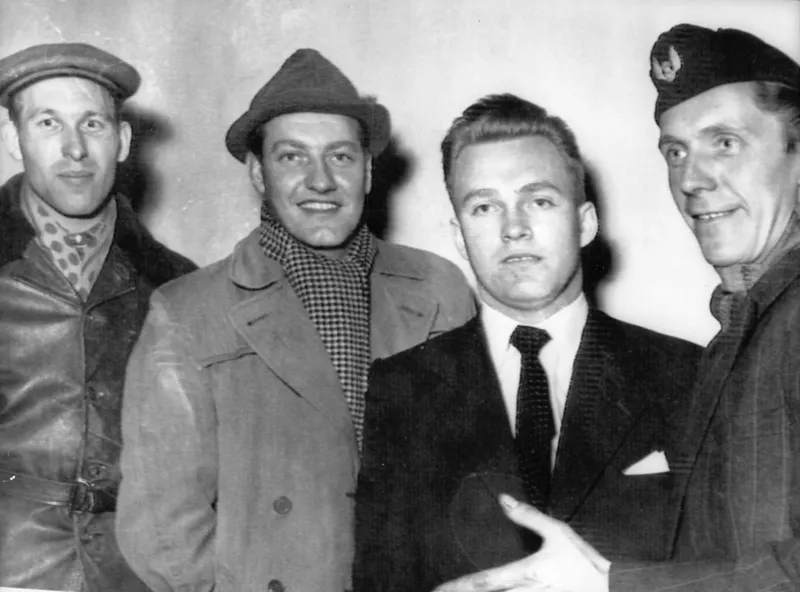
- What: A 1973 bank hostage crisis in Stockholm led to the coinage of the term “Stockholm syndrome” and remains a debated example of hostage behavior.
- Where: Kreditbanken in Norrmalmstorg square, Stockholm, Sweden.
- When: August 1973, during a six-day siege.
In August 1973, a bank robbery at Kreditbanken in Stockholm’s Norrmalmstorg square turned into a six-day hostage standoff and gave the world a term still used today: Stockholm syndrome.
Norrmalmstorg Bank Siege
The crisis began when Jan-Erik Olsson, an escaped convict, entered the bank with a gun and took hostages. During the siege, he demanded money, weapons, a getaway car, and the release of Clark Olofsson, another well-known Swedish criminal. Authorities agreed to bring Olofsson to the bank, and the standoff continued while police tried to end it without killing anyone.
What made the case famous was not just the robbery itself, but the hostages’ behavior during and after it. Some expressed as much fear of the police response as fear of the men holding them. At least one hostage later spoke publicly in ways that seemed sympathetic toward the captors and critical of the authorities. That reaction surprised many observers and became the basis for the phrase “Stockholm syndrome,” widely attributed to Swedish criminologist and psychiatrist Nils Bejerot during coverage of the event.
Origins of Stockholm Syndrome
The label spread quickly because it seemed to explain something unsettling: why a hostage might appear to defend the person threatening them. But the meaning of the term has long been debated. It is widely recognized in popular culture, yet it has never been a formal psychiatric diagnosis in the main diagnostic manuals. Researchers and clinicians have also argued over how often this response really happens, whether the Norrmalmstorg case was interpreted too simply, and whether people under extreme threat may act cooperatively for practical survival rather than emotional attachment.
Debate Over the Term
That distinction matters. One common misconception is that “Stockholm syndrome” is a settled clinical fact with a precise checklist. It is not. In many cases, what looks like identification with a captor may instead reflect stress, dependence, fear, negotiation, or an attempt to stay alive in a situation where every word matters.
The 1973 Norrmalmstorg robbery ended with the hostages rescued and the captors arrested. But its afterlife proved even larger than the crime itself. A single bank siege in central Stockholm did more than dominate Swedish headlines for a week; it supplied a phrase that still shapes how hostage behavior is described, even as experts continue to argue over whether the term explains much at all.
Did You Know?
The Norrmalmstorg incident was later adapted into the 2003 film Norrmalmstorg, which dramatized the hostage crisis.