⚙️ Traces from the dawn of innovation
Telephone Keypad Letters Explain the Missing Q and Z
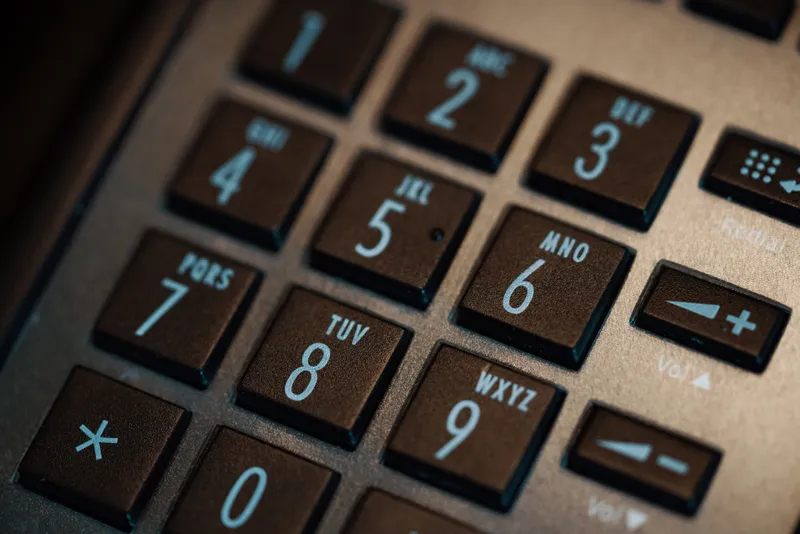
- What: Old telephone keypads handled letters differently from modern phones because early North American dialing systems were built around named exchange codes, which led some layouts to omit Q and Z.
- Where: North America, especially within the Bell System.
- When: First half of the 20th century, before all-number calling became standard.
Old telephone keypads did not handle letters the way people expect today. On many early dials, Q and Z were missing entirely, and on others they were placed in unusual spots. That was not random design. It came from how the telephone system itself used letters in the first half of the 20th century, especially in North America.
Exchange Names on Phone Dials
Before all-number calling became standard, many phone numbers began with a named exchange. A number might be written as something like MUrray Hill 5-9975 or PEnnsylvania 6-5000. The first two letters of the exchange name matched the letters printed on the dial, then the rest of the number followed. This let people remember names more easily, but it also meant the dial only needed to support the letters actually used in exchange names.
That is where Q and Z ran into trouble. They appeared much less often at the start of exchange names, so some Bell System dials simply left them off. A typical layout grouped letters as 2 for ABC, 3 for DEF, 4 for GHI, 5 for JKL, 6 for MNO, 7 for PRS, 8 for TUV, and 9 for WXY. Notice what disappeared: Q and Z. In some versions, especially outside the Bell System or during later transitions, the letters were assigned differently, which is why old keypads do not all match.
How Q and Z Went Missing
The easiest way to see the effect is in phonewords. Modern mappings encourage names that fit the familiar 2 through 9 layout, but the older system had different habits because the lettering grew out of exchange operations, not marketing. If a business wanted a memorable number in the mid-20th century, the practical question was not just “does this spell a word?” It was also “does this fit the dial people actually have?” That made some letter combinations awkward from the start.
The larger context is that the keypad was shaped by switching conventions before it became a branding tool. What looks like a strange typographic quirk was really an artifact of live network use: exchange names, operator practices, and local dialing standards all pushed letter placement in specific directions. Standardization came later, and not instantly everywhere.
Why Old Phonewords Look Different
That is why older phonewords and classic exchange-style numbers can look slightly off to modern eyes. The odd treatment of Q and Z was not a mistake. It was a direct result of the telephone network being built around the letters it actually needed.
Did You Know?
The famous 555 prefix was commonly reserved for directory assistance and fictional use in North American numbering.