
🛍️ Artifacts of human ingenuity
iPod Diagnostic Mode and Apple's Hidden Codenames
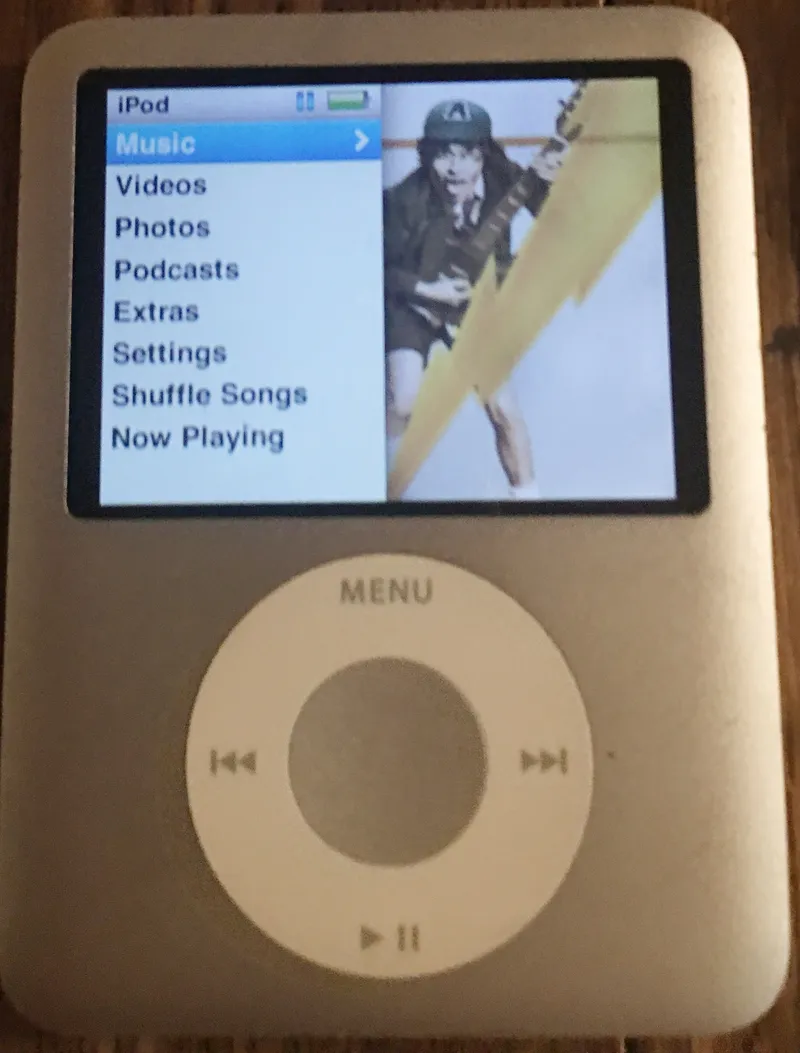
- What: Some iPods included a diagnostic mode that could reveal Apple’s internal codenames, such as N20 Snowfox, through hidden service menus.
- Where: On certain iPod models, accessed during startup.
- When: The late 2000s and early 2010s, including the 6th-generation iPod nano era.
Some iPods shipped with a built-in diagnostic mode, and when enthusiasts opened it up, they found something unexpectedly revealing: internal Apple codenames still visible inside a mass-market device.
iPod Diagnostic Mode
The feature itself was practical. On several iPod models, a button combination during startup could open a test menu for hardware checks: screen, buttons, battery, storage, audio, and other components. It was not magic, and it was not exactly a secret in the spy-thriller sense. Service tools and engineering menus like this were common in consumer electronics. What made the iPod version memorable was the language it exposed.
On the 6th-generation iPod nano, for example, enthusiasts documented the codename N20 Snowfox in diagnostic screens and related firmware details. Similar internal identifiers appeared across other Apple products and prototypes over the years, often pairing model numbers with short names that sounded more like project shorthand than retail branding. Users were holding an iPod nano, but somewhere underneath, Apple’s engineers were still calling it something else.
Apple Internal Codenames
That detail matters because the iPod was designed to feel sealed, polished, and consumer-ready. Retail packaging showed none of the naming mess that usually exists inside a product cycle. Yet diagnostic mode let a small piece of that internal layer remain visible. Not enough to transform how the device worked, but enough to show that even one of the most controlled consumer gadgets of the 2000s still carried traces of the team that built it.
Enthusiast forums, repair communities, and documentation sites treated those names like artifacts. They mapped model families, compared firmware versions, and preserved screenshots from devices that were never marketed with those labels. In that sense, the diagnostic menu became more than a utility screen. It turned into an accidental archive of engineering culture: a place where Apple’s internal organization, naming habits, and testing priorities briefly surfaced in public.
N20 Snowfox on Used iPods
The concrete implication is simple. A used iPod can contain more than songs or photos. In some cases, it still holds a diagnostic interface that exposes how Apple categorized the hardware internally, with labels like N20 Snowfox surviving as durable, searchable traces of product development inside the finished object itself.
Did You Know?
Apple originally introduced the iPod in 2001, and it went on to become one of the company’s most recognizable products.