
⚙️ Traces from the dawn of innovation
TV Safe Area Rules Still Shape Screen Graphics
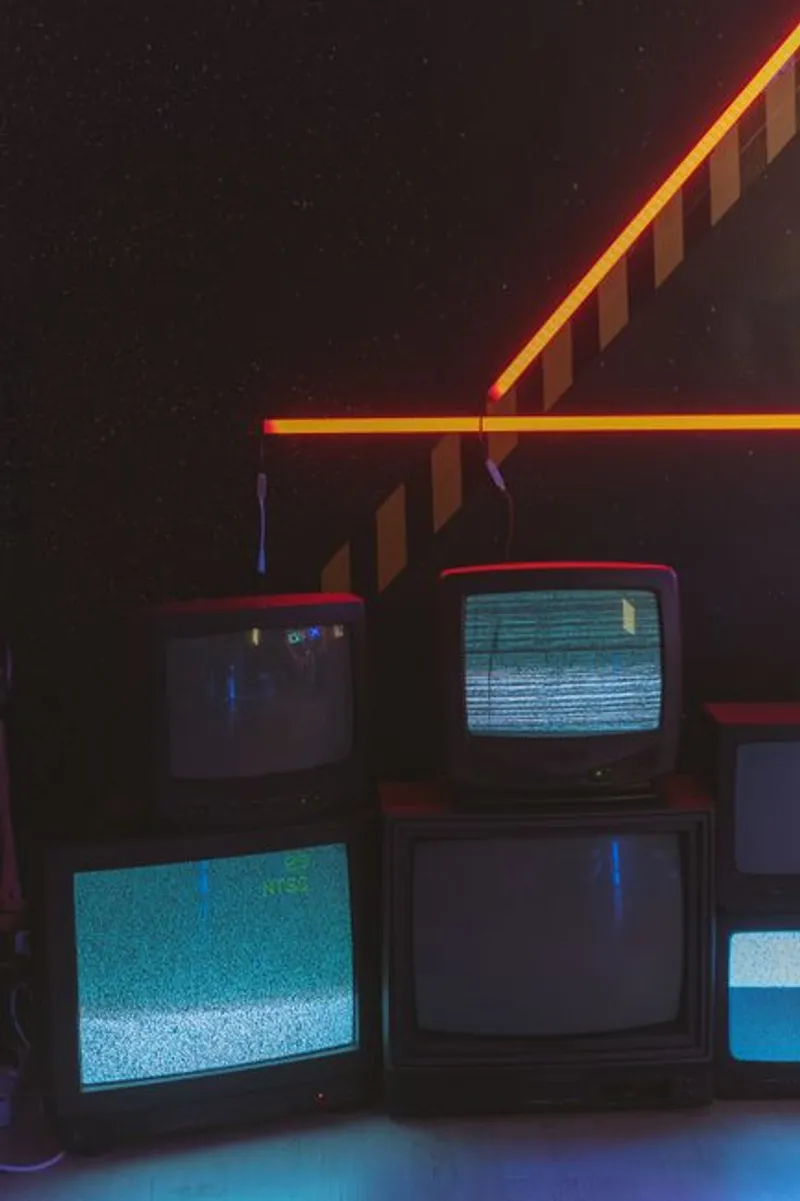
- What: Television graphics are still inset from the screen edge because broadcast safe-area rules originated from analog overscan and remain useful for mixed viewing setups.
- Where: On television broadcasts and other video display environments.
- When: From the analog CRT era through modern digital television.
TV graphics still sit slightly in from the edge for a reason. The habit comes from analog overscan, a long-running display behavior that trimmed the outer edges of the picture on many older televisions.
Analog Overscan and Safe Areas
In the analog era, broadcasters could not assume viewers would see the full frame. Different CRT sets cut off different amounts around the border, so anything placed too close to the edge might disappear. That is why networks kept logos, lower-thirds, scorebugs, and captions inside “title-safe” and “action-safe” areas instead of pushing them into the extreme corners.
The easiest way to see the rule is in channel branding. A network logo might look like it belongs in the top-right corner, but it is usually tucked inward by a noticeable margin. Sports broadcasts do the same thing with clocks and scores. News channels keep tickers and name straps clear of the outer edge. Those placements are not random design choices. They come from a technical constraint that shaped television production for decades.
Why TV Graphics Stay Inset
Digital flat panels changed most of the underlying problem. Modern HDTVs and computer monitors generally show the full image far more accurately than older analog sets did, and many displays no longer need overscan at all. But the production standards survived. Broadcasters still have to account for mixed viewing environments, legacy workflows, affiliate stations, transmission chains, and occasional display settings that may still crop a little. In practice, safe-area rules remain a reliable way to make sure essential graphics stay visible everywhere.
That continuity matters because broadcast design is built around consistency. A graphics package is not created for one perfect screen in one room. It has to work across homes, bars, airport TVs, hotel sets, editing systems, archived footage, and live control rooms. Once safe margins became standard, they also became part of the visual grammar of television.
Broadcast Safe Margins Today
So when a logo or score graphic stops short of the corner on a modern digital screen, that gap is not wasted space. It is a leftover engineering precaution that still guides how television is framed, packaged, and delivered today.
Did You Know?
The Society of Motion Picture and Television Engineers published widely used title-safe and action-safe guidance that many broadcasters still follow.