⚙️ Traces from the dawn of innovation
Printer Steganography Dots Can Trace Color Prints
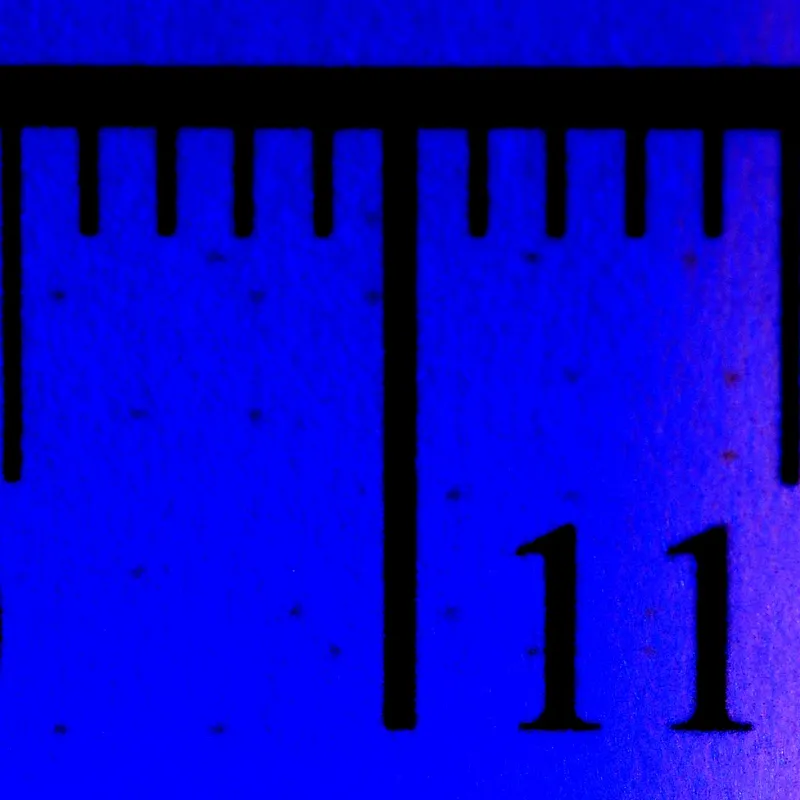
- What: Some color laser printers and copiers add nearly invisible yellow tracking dots to printed pages, which can encode device-identifying information such as a serial number.
- Where: On printed output from certain color laser printers and copiers.
- When: Documented publicly in the 2000s, though the practice had reportedly existed earlier.
Color laser prints can carry a hidden machine identifier. On some printers, tiny yellow tracking dots are added to the page in a pattern that can encode details such as the device serial number, making a printed document potentially traceable back to the printer that produced it.
How Yellow Tracking Dots Work
This is not science fiction, and it is usually not visible at a glance. The dots are extremely small and often printed in yellow, which blends into white paper and light areas of a photo or document. Under magnification or certain lighting, the pattern can become easier to spot. The system is commonly discussed in connection with color laser printers, not ordinary black-and-white pages from every office machine.
A well-known public example emerged in the 2000s, when the Electronic Frontier Foundation documented yellow dot patterns on pages from several color laser printers and copiers. The broader idea had already been circulating for years: some manufacturers were adding machine-readable marks to printed output, reportedly as an anti-counterfeiting measure supported by government and industry efforts. Exact implementations have varied by brand and model, and not every printer uses the same method.
EFF Documentation of Yellow Dots
The practical effect is simple. A sheet of paper that looks anonymous can still contain a quiet signature from the device that made it. If investigators or forensic analysts know the dot scheme for a given manufacturer, they may be able to extract identifying information from the print itself. In some cases, reported analyses have linked dot patterns to serial numbers and print timestamps, though those details depend on the device and the decoding method available.
The important consequence is not that every print is automatically tracked in everyday life. It is that a routine color printout can carry more information than the human eye sees. A photo, memo, or flyer may look like plain paper, while also preserving a specific connection to one machine in one office, store, school, or home.
What Printer Dots Can Reveal
That makes printer steganography dots a concrete feature of modern printing, not a rumor: on certain color printers, the page itself can function as a record of origin, with a nearly invisible pattern tying the print back to the device that produced it.
Did You Know?
The Electronic Frontier Foundation helped bring wider attention to these tracking dots by publishing a decoder for some printer dot patterns.