
🌿 Stories carved by wind and water
Invasive Tunicates Are Slowing Maine Lobster Fishing
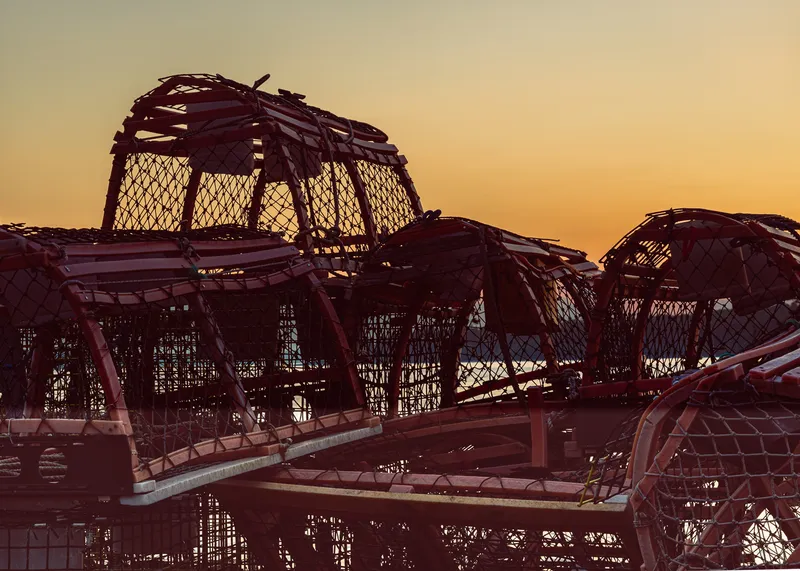
- What: Invasive tunicates are coating lobster traps in the Gulf of Maine, making gear heavier, messier, and more time-consuming to haul and clean.
- Where: Gulf of Maine, especially in Maine lobster fishing waters.
- When: Current
A lobster trap comes over the rail in the Gulf of Maine, and instead of bare wire, it looks wrapped in a wet rug. The mesh is coated with invasive tunicates, soft-bodied sea squirts that can build into thick, slimy mats. For lobstermen, that turns a routine haul into something heavier, dirtier, and slower.
How Tunicates Foul Lobster Gear
When tunicates spread across traps and lines, the work changes immediately. A trap that should move cleanly through the water and over the hauler comes up carrying extra weight. The coating clings to wire, slats, and rope. On deck, it leaves slime and scraps behind. Back onshore, crews may have to scrape traps by hand or clean them before setting them again.
That extra step matters because lobster fishing runs on repetition. Haul, empty, bait, reset. If traps are fouled, each part of that cycle takes longer. Cleaning adds labor. The buildup can also affect how gear handles and how quickly it can be turned around for the next trip.
Invasive Tunicates in the Gulf of Maine
Tunicates are not new to the region, but in parts of the Gulf of Maine they have become a practical problem for working gear. They are filter-feeding marine animals, and some non-native species can spread aggressively when conditions suit them. Scientists and fishermen have tracked their presence for years, though the extent of fouling can vary by location, season, and species.
Impact on Maine Lobster Fishing
This is not a story about lobster boats suddenly stopping. It is a story about friction entering an already demanding job. The traps still go over. The catch still has to be sorted. But if enough gear comes up carpeted in tunicates, ordinary fishing days get more labor-intensive in a very physical way.
The consequence is simple and specific: more time spent dealing with the trap itself, and less time treating it like a neutral tool. Invasive growth does not just change what is living on the gear. It changes the economics and pace of using that gear, one haul at a time.
So in the Gulf of Maine, a lobster trap can now come back not just with lobsters, but with a layer of unwanted cargo that has to be scraped or cleaned off before the trap is ready to fish again.
Did You Know?
Tunicates are also called sea squirts, and they filter-feed by pumping seawater through their bodies.