
🌿 Stories carved by wind and water
Chernobyl Fungi and How Radiation Still Moves
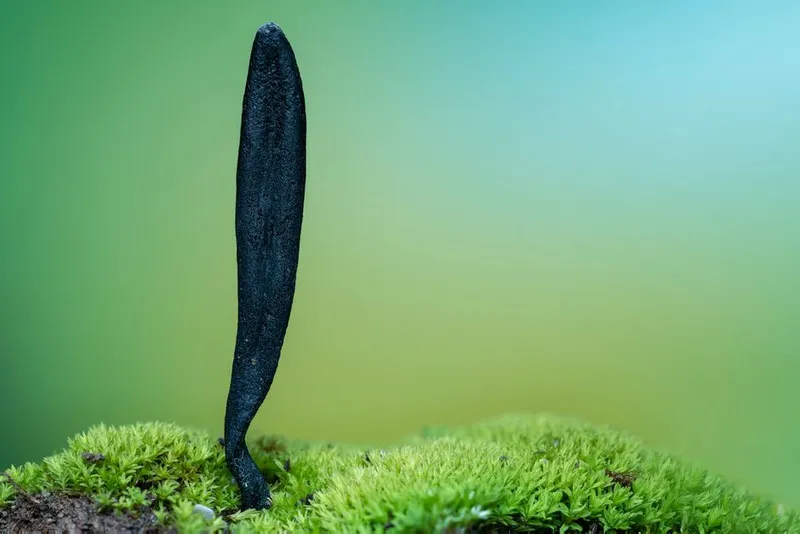
- What: After the Chernobyl disaster, researchers found melanized fungi in contaminated areas that could tolerate intense radiation and help move radionuclides through the environment.
- Where: Chernobyl’s Reactor 4 ruins and the surrounding exclusion zone.
- When: After the 1986 Chernobyl disaster.
After the 1986 Chernobyl disaster, scientists found dark fungi growing on and around the damaged Reactor 4 site. These melanized fungi were notable for a simple reason: they were thriving in places with intense radiation exposure that would stress or kill many other organisms.
Radiation-Resistant Fungi at Chernobyl
The core idea is not that these fungi are “eating” radiation in some dramatic sci-fi way. It is that certain fungi with high melanin content appear unusually radioresistant, meaning they can tolerate radiation better than many organisms. Some studies have also shown that fungi in contaminated environments can accumulate radionuclides from the surfaces, dust, soil, or organic matter around them.
Chernobyl became a vivid example. In the years after the accident, researchers reported dark fungal growth in the reactor ruins and in highly contaminated areas of the exclusion zone. These organisms were not cleaning up the site in any simple sense. They were becoming part of the local contamination system. When fungi grow through debris or soil, they can take up radioactive elements. When fungal material dries out, breaks apart, or is eaten by insects and other small organisms, some of that contamination can move with it.
How Fungi Move Radionuclides
That matters because radioactive contamination does not stay fixed in one place just because the original accident is over. In a forested landscape like the Chernobyl zone, radionuclides already move through leaf litter, roots, groundwater, smoke from fires, and animal activity. Fungi add another pathway. They can help transfer radioactive material from one layer of the environment to another, including into food webs.
This is the interesting part: the story is not just survival under radiation. It is circulation. A fungus growing on contaminated material can become a biological carrier, however small, in the larger movement of radionuclides through the zone. Scientists still study these processes carefully because the exact importance varies by species, isotope, and location.
Environmental Redistribution in the Exclusion Zone
So the concrete implication is straightforward. In Chernobyl, a patch of dark fungus on a wall or in the soil is not just a symbol of life returning to a damaged place. It can also be one of the mechanisms by which radioactive material is absorbed, stored for a time, and redistributed through the local environment.
Did You Know?
Some melanized fungi have also been studied for showing increased growth when exposed to ionizing radiation, though the effect depends on the species and conditions.