
🕯️ Notes from the casefile
Al Capone Tax Evasion Case: How Investigators Got Him
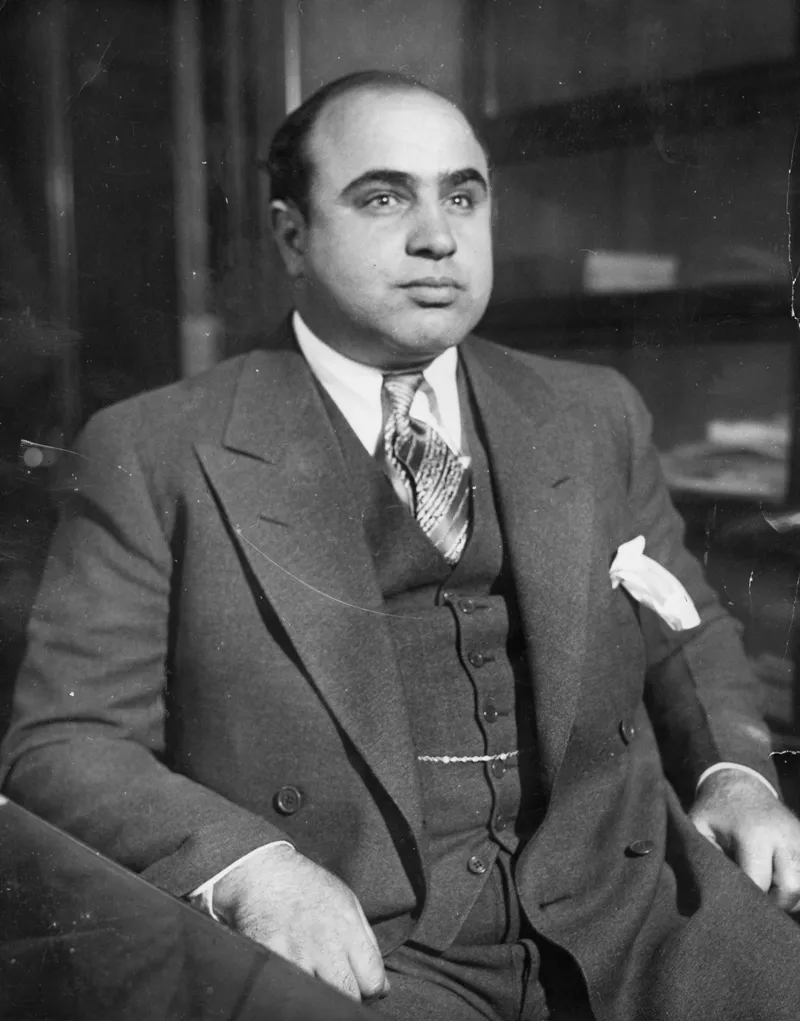
- What: Al Capone was convicted in 1931 for federal income tax evasion, showing that investigators could use financial records and spending patterns to prove illegal income when violent-crime charges were harder to secure.
- Where: Federal court in Chicago, Illinois.
- When: 1931, during the Prohibition era.
Al Capone was not convicted in 1931 for murder, bootlegging, or gang violence. Federal investigators got him on taxes. That is the key fact in one of the most famous criminal cases in U.S. history: the government could not conclusively tie Capone to many violent crimes, but it could build a case around money.
How Investigators Built the Tax Case
The idea was simple, but difficult to execute. If Capone was living lavishly, paying for expensive hotels, meals, travel, and real estate, prosecutors needed to show that this lifestyle came from taxable income. They did not need a signed confession to every illegal business deal. They needed records, witnesses, and a paper trail strong enough to prove he had earned substantial income and failed to report it.
That is where Treasury investigators came in. Agents working financial angles, including what became one of the most important tax prosecutions of the era, collected ledgers, account books, and other records linked to gambling operations and cash flow. Seized gambling ledgers mattered because they helped show the existence of profits and who benefited from them. Other financial documents, along with testimony about payments and spending, helped prosecutors argue that Capone had income he never declared to the government.
The case was not built on a dramatic moment. It was built on accumulation. A notebook here, a transaction there, unexplained wealth, inconsistent statements, and records from gambling enterprises all pushed in the same direction. In court, the government’s argument was not that Capone was a mythic crime boss beyond the reach of law. It was that he owed taxes on income and knowingly failed to pay.
Why Tax Evasion Succeeded
A common misconception is that Capone finally fell because authorities suddenly solved his gang’s killings and then added tax charges on top. That is not what happened. His 1931 conviction came because prosecutors could prove financial violations more effectively than they could prove responsibility for specific acts of violence. The tax case succeeded where broader criminal accusations had not.
Capone's 1931 Conviction
Capone was convicted of multiple counts related to income tax evasion in federal court in Chicago in 1931. He was sentenced to prison, and the result showed something concrete about criminal prosecution in the Prohibition era: when witnesses were intimidated and direct evidence of violent crimes was hard to secure, ledgers, bank records, and spending patterns could still put a defendant behind bars. In Capone’s case, the route to conviction ran through income, not murder.
Did You Know?
Capone was eventually sentenced to 11 years in prison for tax evasion.