🕯️ Notes from the casefile
El Chapo Prison Escape Tunnel Had Lights and a Track
- What: Joaquín “El Chapo” Guzmán escaped from Altiplano prison through a purpose-built underground tunnel built from his shower area to a house outside the prison compound.
- Where: Altiplano prison in central Mexico.
- When: July 2015; he was recaptured in January 2016.
In July 2015, Joaquín “El Chapo” Guzmán disappeared from a shower area inside Altiplano prison in central Mexico. What made the escape stand out was not just that he got out. It was the route beneath him.
El Chapo Escape Tunnel
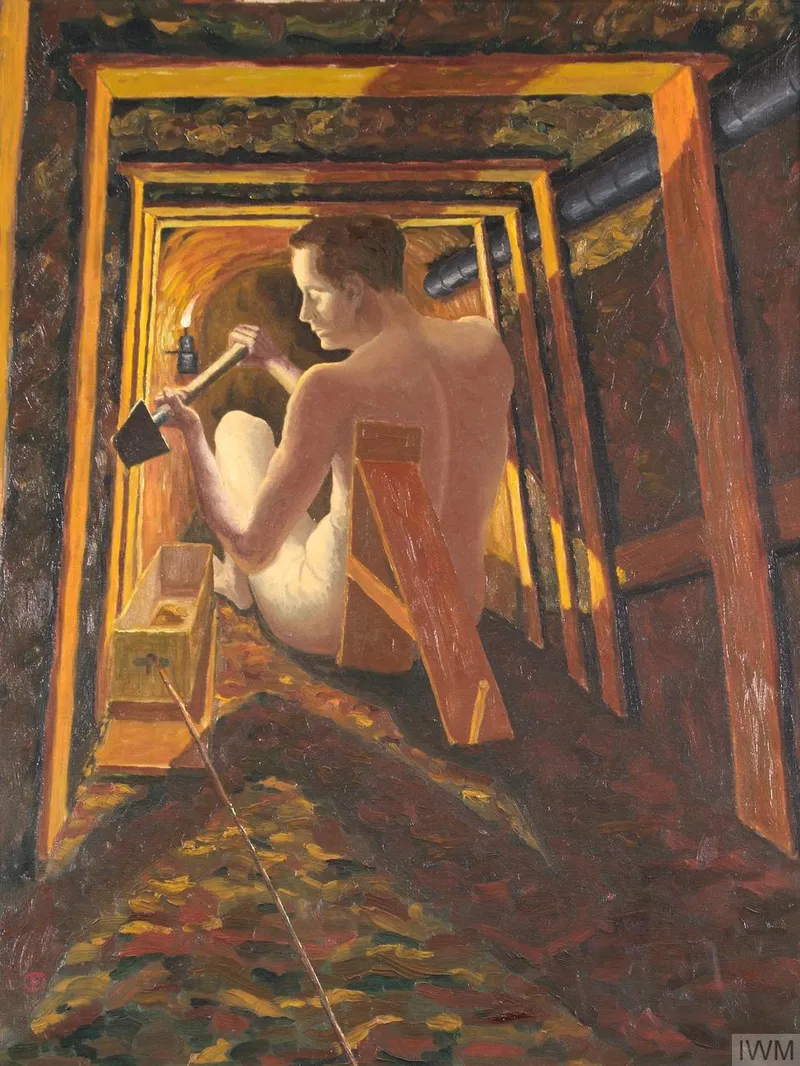
Investigators found a purpose-built tunnel running from the shower stall in his cell area to a house outside the prison compound. This was not a rough hole in the ground. Authorities said the passage stretched roughly 1.5 kilometers, cut through earth and rock, and was equipped with lighting, ventilation, and a rail-like track system. A modified motorcycle was used on that track, apparently to move tools, dirt, and possibly people through the tunnel more efficiently.
The details changed the story from a simple escape into an engineering operation. The opening inside the prison was reportedly about 50 by 50 centimeters, positioned where the shower area created a visual blind spot from overhead surveillance. Below that opening, a ladder dropped into the tunnel. From there, the underground route had enough structure to function almost like a compact transport corridor.
Tunnel Design and Logistics
That design matters because it suggests planning at multiple levels. Digging a long tunnel is already difficult. Adding electric lighting means power had to be arranged. Ventilation means the tunnel had to be usable for extended work underground. A track for a motorcycle means the builders were thinking about logistics, not just escape. Earth had to be removed. Materials had to be carried in. The tunnel needed to stay operational long enough to connect a prison shower to a point beyond the perimeter.
There is no need to exaggerate the scene to understand its scale. A tunnel of that length, with infrastructure inside it, was closer to a concealed construction project than an improvised route. The striking part is not mystery for its own sake. It is how many practical problems the tunnel appears to have solved: visibility, transport, air, distance, and timing.
Recapture After the Prison Escape
Guzmán was later recaptured in January 2016. But the image that stayed with this escape was the underground passage itself: a lit tunnel, reached through a shower stall, with a track laid out beneath one of Mexico’s highest-security prisons.
Did You Know?
The escape was his second successful prison break from Mexican custody; he had previously escaped in 2001.