
🕯️ Notes from the casefile
McDonald's Monopoly Scam: How Jerome Jacobson Rigged Winners
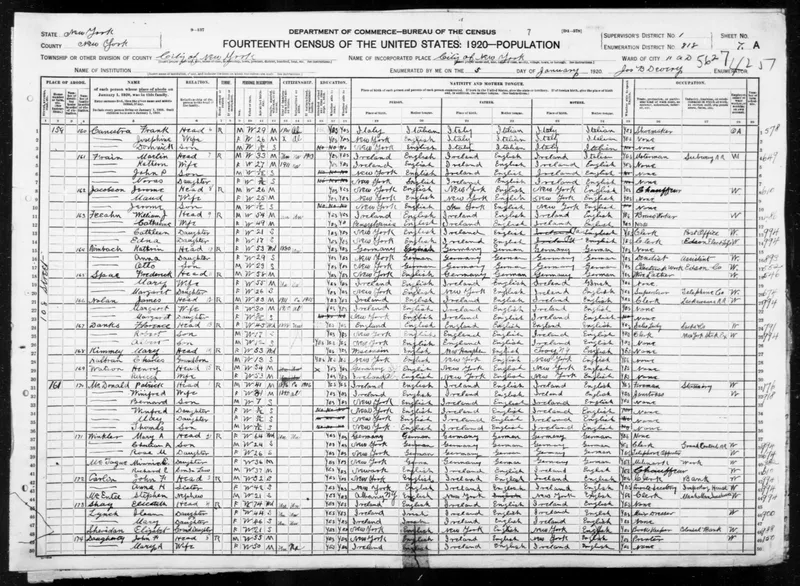
- What: The McDonald’s Monopoly promotion was rigged by Jerome Jacobson, a security insider who stole rare winning game pieces and routed them to accomplices who claimed major prizes.
- Where: McDonald’s Monopoly promotional games in the United States.
- When: The scam ran through the 1990s and into 2001, with FBI charges announced in 2001.
For years, McDonald’s Monopoly looked like a giant game of chance. In reality, many of the biggest prizes were being steered by the man connected to the game’s own security system.
Jerome Jacobson’s Role
The central figure was Jerome Jacobson, a former police officer who worked for Simon Marketing, the company that ran McDonald’s promotional games in the United States. His job gave him access to the rare game pieces that could unlock million-dollar prizes, cars, and large cash awards. Instead of protecting those pieces, prosecutors said he quietly removed winning tickets and passed them to a network of accomplices.
The scam ran through the 1990s and into 2001. On the surface, it looked ordinary: a lucky winner in one state, another big prize somewhere else, television cameras, oversized checks, smiling families. Behind the scenes, according to the FBI, many of those winners were not random customers at all. They were relatives, friends, or recruits who received the winning pieces through intermediaries, then claimed the prizes and split the money.
That made the fraud unusually hard to spot. McDonald’s was not being tricked by someone breaking in from outside. The game was being manipulated from inside a trusted chain of custody. The winning tickets were supposed to be the most tightly controlled part of the entire promotion, and that was exactly where the system failed.
FBI Investigation and Charges
The case began to unravel after federal investigators started looking at patterns among major winners. In 2001, the FBI announced charges tied to a wide conspiracy involving Jacobson and numerous co-conspirators. McDonald’s had not been accused of running the fraud, but the company had to deal with the public fallout from a contest that no longer looked fair. Several people were convicted or pleaded guilty in connection with the scheme.
A common misconception is that the scandal proved ordinary customers could never win anything. That was not the case. Many smaller prizes were still legitimately available through the game. The fraud centered on the rare, high-value pieces, the ones that drove national attention and made the promotion feel life-changing.
How the Prize Scam Worked
What makes the McDonald’s Monopoly scam endure is how specific the weakness was. This was not a hacker cracking a code or a customer exploiting a loophole at the counter. It was Jerome Jacobson, positioned inside the security process, turning controlled prize pieces into a private pipeline. The result was concrete: some of the promotion’s biggest “winners” were chosen before customers ever peeled back a game sticker.
Did You Know?
Several people involved in the scheme were convicted or pleaded guilty in connection with the FBI case.