
🧪 Echoes from the lab
Nystatin Began in Virginia Farm Soil
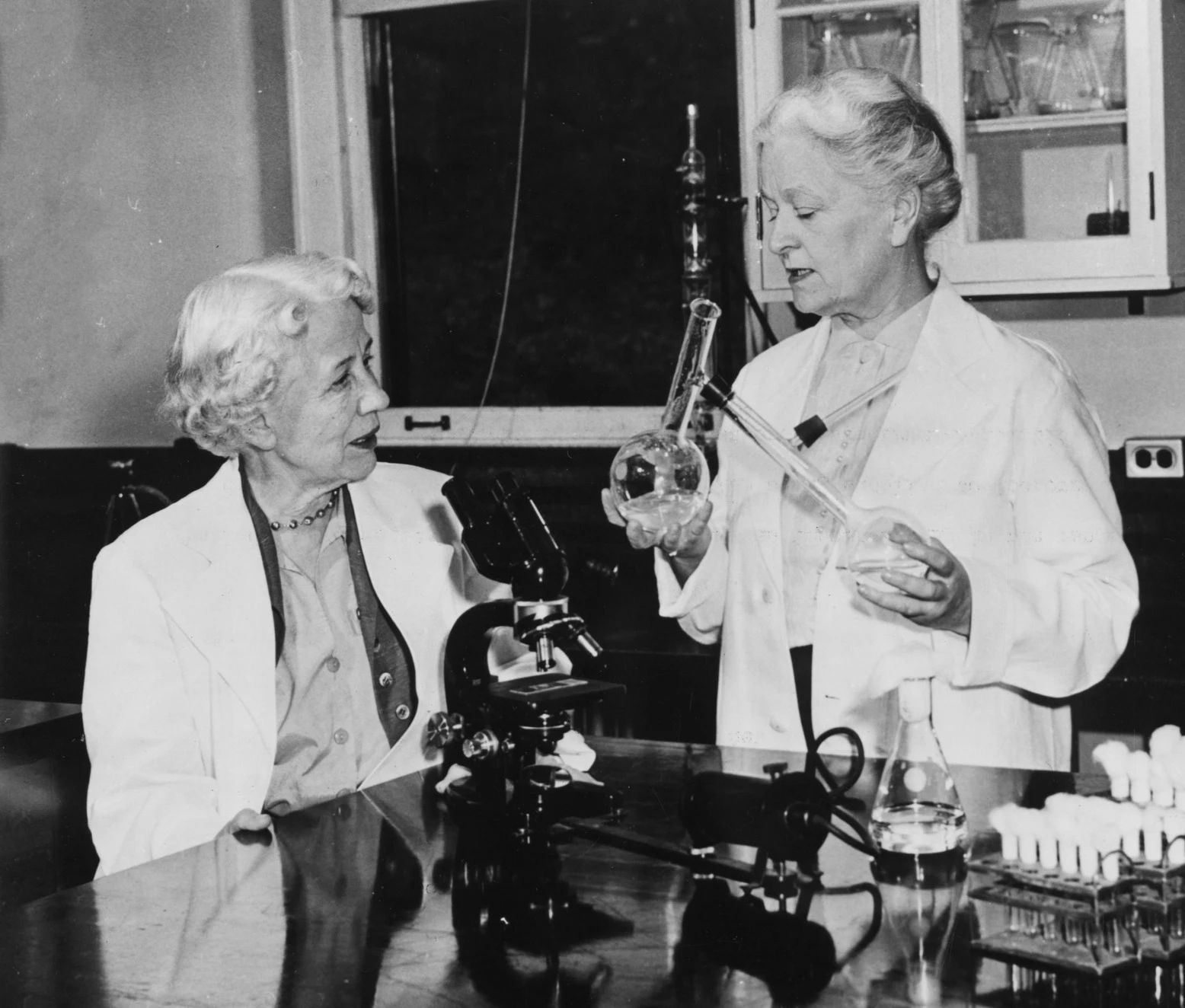
- What: Elizabeth Hazen and Rachel Brown isolated nystatin from Streptomyces noursei, producing one of the first antifungal medications widely used in medicine.
- Where: Farm soil in Virginia, with work done through the New York State Department of Health.
- When: In the 1940s, with nystatin introduced in the 1950s.
In the 1940s, a soil sample from a farm in Virginia helped lead to nystatin, one of the first antifungal medications widely used in medicine. The key organism was Streptomyces noursei, isolated and studied by Elizabeth Hazen and Rachel Brown.
The Need for Antifungal Drugs
The medical problem was clear before the drug arrived. Doctors had antibiotics that could kill bacteria, but fungal infections were harder to treat safely. Some antifungal compounds were too toxic for practical use. That left a major gap, especially as antibiotic use sometimes made fungal infections more noticeable by disrupting the body’s normal microbial balance.
Hazen, a microbiologist with the New York State Department of Health, screened soil organisms for useful activity. Brown, a chemist, worked on extracting and purifying promising compounds. Their collaboration was practical and methodical: Hazen identified microbes that seemed to produce something active against fungi, and Brown tested whether that substance could be turned into a usable drug.
Streptomyces noursei and Nystatin
One of those microbes came from a Virginia soil sample and was identified as Streptomyces noursei. From it, Hazen and Brown developed nystatin. Introduced in the 1950s, nystatin became among the first antifungals that were both effective and safe enough for broad clinical use. It was especially important for treating Candida infections, including oral thrush and other yeast infections affecting the skin and mucous membranes.
Why Farm Soil Mattered
What makes this story matter is not just that the source was dirt. It is that ordinary soil was treated as a library of chemistry. By looking at microbes not as contaminants but as producers of biologically active compounds, researchers opened a path to medicines that hospitals actually needed. Nystatin showed that fungi could be targeted with a drug practical enough to use at scale.
The consequence was specific and immediate: medicine gained a reliable antifungal option at a time when that category barely existed. A microorganism from New York farm soil became the basis for a treatment still used decades later, especially in topical and oral forms for fungal infections caused by Candida.
Did You Know?
Nystatin was originally called “fungicidin” before being renamed.