
🫀 Secrets of the human vessel
Duodenoscope Outbreaks Exposed a Hidden Hospital Cleaning Risk
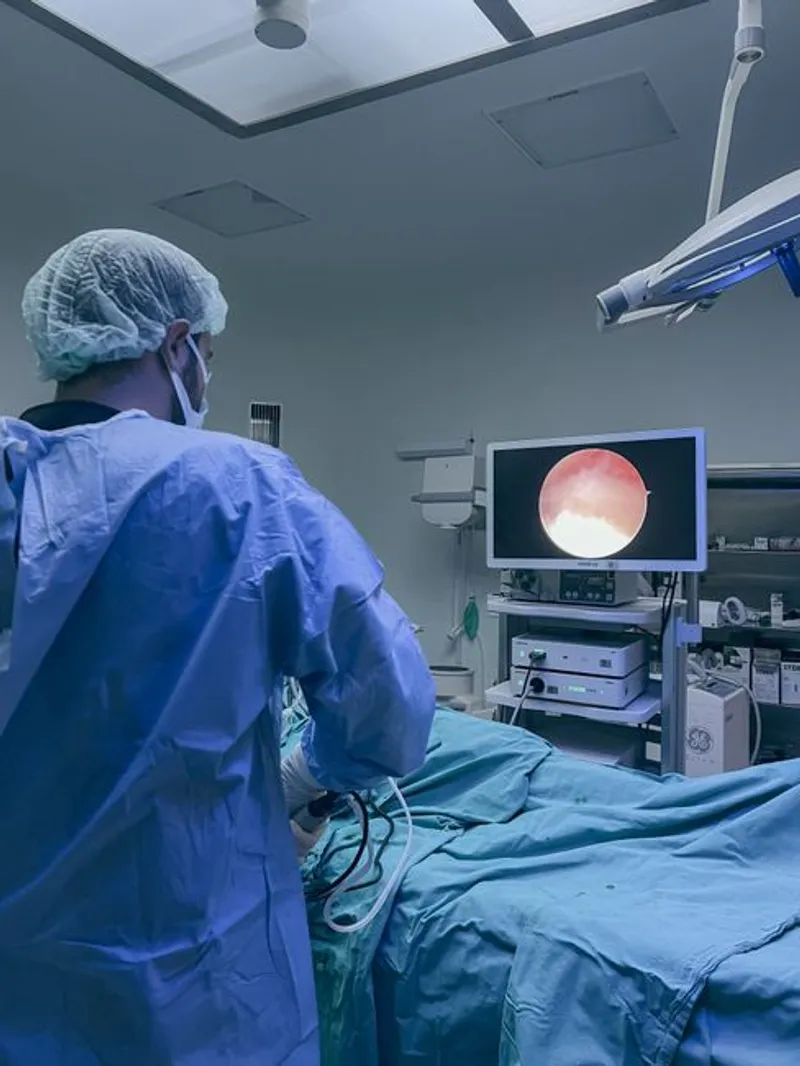
- What: The article explains how duodenoscopes used in ERCP were linked to CRE outbreaks because some designs were difficult to fully clean and disinfect.
- Where: Hospitals, including sites in Los Angeles and Seattle.
- When: The 2010s, especially the mid-2010s.
In the 2010s, a device used in routine hospital procedures became the center of repeated safety alarms: the duodenoscope. Investigators linked multiple outbreaks of carbapenem-resistant Enterobacteriaceae, or CRE, to these scopes, even when hospitals said they had followed cleaning instructions.
Duodenoscope Design and Cleaning Risk
The problem was not that duodenoscopes were rare or experimental. They were widely used for ERCP, a procedure that helps doctors treat blockages and other problems in the bile ducts and pancreas. From the outside, the device looked like another specialized endoscope. The trouble was at the tip. Some models had a tiny movable elevator mechanism and tight internal spaces that were difficult to scrub and disinfect fully.
That detail mattered because CRE infections are taken seriously. These bacteria can resist carbapenem antibiotics, which are often used when other drugs fail. When outbreaks were reported at hospitals in places including Los Angeles and Seattle, attention quickly turned to whether contamination could remain on a scope after reprocessing. In several investigations during the mid-2010s, health officials and hospitals reported that bacteria may have persisted in hard-to-clean parts of certain duodenoscope designs.
FDA Warnings and Device Changes
The FDA responded with a series of safety communications and growing pressure on manufacturers to improve the devices. In 2015, the agency warned that the design of some duodenoscopes could impede effective reprocessing. That was a striking message: a device could be used as directed, cleaned according to instructions, and still carry risk because the design itself created hidden cleaning challenges.
Manufacturers later introduced changes, including removable components and designs intended to make cleaning easier or reduce the chance of retained contamination. Regulators also pushed for postmarket studies, updated labeling, and, eventually, a shift toward models with disposable parts or fully disposable options in some settings.
Hospital Infection Control Lessons
The larger consequence was hard to miss. This was not just a story about one instrument. It showed how infection control can depend as much on product design as on staff compliance. A hospital may have careful protocols and trained technicians, but if a device has areas that are difficult to access, safety can break down in ways that are not obvious at first.
What changed was concrete. Duodenoscopes, once treated mainly as reusable tools to be cleaned between patients, became a case study in redesigning medical equipment around real-world reprocessing limits. The warnings, investigations, and redesigns all pointed back to the same lesson embedded in the device itself: if a critical part cannot be reliably cleaned, the design becomes a patient safety issue.
Did You Know?
ERCP stands for endoscopic retrograde cholangiopancreatography.