
🌍 Records from the halls of power
Baalbek Stones: How Romans Moved the Megablocks
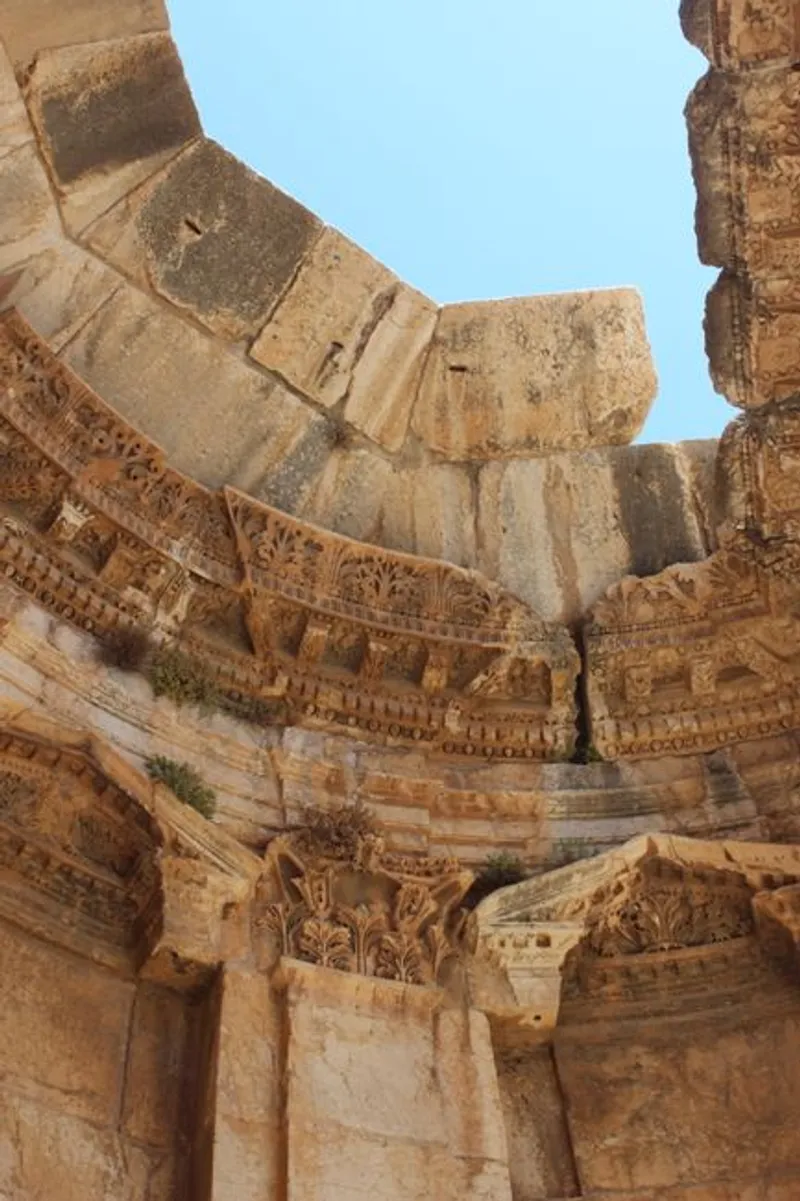
- What: The article explains that the giant stones at Baalbek were most likely moved by known Roman engineering methods—quarrying, sledges, ramps, ropes, and capstans—rather than any lost technology.
- Where: Baalbek, in modern Lebanon.
- When: Roman period, when the temple complex was built.
At Baalbek in modern Lebanon, the stones come first. The Temple of Jupiter platform includes the famous trilithon, three enormous limestone blocks set high in the wall, each often estimated at roughly 750 to 800 tons. Nearby, in the ancient quarry, lies an even larger block: the Stone of the Pregnant Woman, left unfinished and never installed.
Roman Methods at Baalbek
That contrast is the real story. The Romans almost certainly did not use any lost mystery technology at Baalbek. No definitive written manual survives for this exact project, but the likely methods are familiar from Roman engineering elsewhere: quarrying the stone, dragging it on sledges, building earth ramps, and using teams of workers with ropes, rollers in some stages, and capstans or winches to control movement.
The blocks were not moved casually. Baalbek’s quarry sits close to the temple complex, which matters. Distance is one problem; vertical lift is another. Roman builders appear to have reduced the first challenge by cutting the megaliths near the construction site. Then they could haul them across prepared ground, probably on wooden sledges over lubricated or compacted surfaces, with ramps helping them gain the required height. Capstans would have multiplied human and animal pulling power and, just as important, helped manage the movement slowly and safely.
Baalbek Megalith Size Limits
What makes Baalbek so striking is the scale. These were not ordinary ashlar blocks. A stone approaching 800 tons is already at the edge of what ancient builders are known to have handled with great difficulty. The Stone of the Pregnant Woman is larger still, commonly estimated at around 1,000 tons or more. In the same quarry, archaeologists have also identified other massive unfinished stones that may be even heavier. Bigger, in this case, did not mean better. It may have meant too risky, too awkward to position, or simply unnecessary once smaller, still gigantic blocks could do the job.
Stone of the Pregnant Woman
So the likely answer is not a single machine, but a system: quarry placement, prepared routes, ramps, sledges, rope, leverage, and disciplined labor. Baalbek’s temple stones were probably moved by methods Romans understood well, pushed to an extreme scale. The hardest fact sits in the quarry itself: one of the largest blocks, the Stone of the Pregnant Woman, was never moved at all.
Did You Know?
The Temple of Jupiter at Baalbek is often called the largest surviving Roman temple complex in the ancient world.