
🛍️ Artifacts of human ingenuity
James Dyson's Bagless Vacuum Came From a Sawmill Cyclone
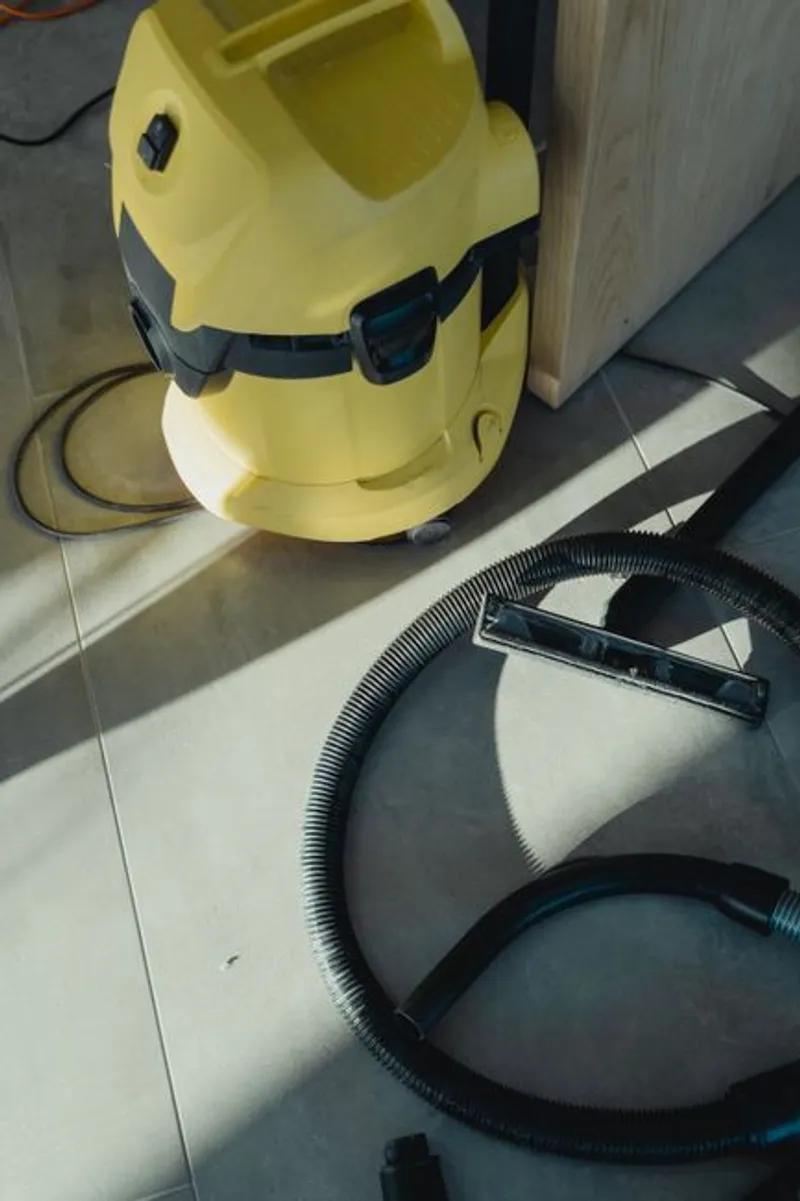
- What: James Dyson said the idea for his bagless vacuum came from a sawmill’s cyclone separator, which inspired a design that kept suction steadier than bag-based vacuums.
- Where: A sawmill workshop in the UK.
- When: The late 1970s.
James Dyson has said the key idea for his bagless vacuum came from an industrial machine, not a vacuum lab. In the late 1970s, while visiting a sawmill workshop in the UK, he noticed a cyclone separator that removed dust from the air without clogging.
That mattered because household vacuums had a familiar weakness: as their bags filled, airflow dropped and suction faded. Dyson’s observation was simple. In the sawmill, dust was being spun out of the airstream by centrifugal force. The system kept working without relying on a disposable bag as the main filter.
Cyclone Separator Vacuum Idea
He then tried to apply that same separation principle to a domestic vacuum cleaner. The concept was not that cyclone separation itself was new; it had long been used in industry. The shift was bringing it into a compact consumer product that could handle household dust and dirt at home scale.
That turned into a long design process, not a single leap. Dyson has claimed he built thousands of prototypes while working through the engineering problems. The challenge was making an industrial-style cyclone small, reliable, and practical enough for everyday cleaning, while maintaining suction as dirt collected.
Bagless Vacuum Design Process
The result was the bagless vacuum design that became closely associated with Dyson. Instead of trapping most debris in a disposable bag that gradually choked airflow, the machine spun dirt out into a collection bin. The pitch to consumers was concrete: more consistent suction and no replacement bags.
The larger consequence is that one workshop observation changed the direction of a very ordinary appliance category. Vacuum cleaners had long been sold as incremental upgrades, but cyclone-based bagless models reframed the problem itself. The focus moved from just stronger motors to how air and debris were separated inside the machine.
How Bagless Vacuums Changed
That is why the sawmill story still matters. It is a specific example of industrial dust control crossing into home product design. A separator built to keep a workshop clear helped inspire a vacuum cleaner that made clogged bags feel outdated.
Did You Know?
James Dyson has said the key idea for his bagless vacuum came from an industrial machine, not a vacuum lab. In the late 1970s, while visiting a sawmill workshop in the UK, he noticed a cyclone separator that removed dust from the air without clogging.
That mattered because household vacuums had a familiar weakness: as their bags filled, airflow dropped and suction faded. Dyson’s observation was simple. In the sawmill, dust was being spun out of the airstream by centrifugal force. The system kept working without relying on a disposable bag as the main filter.
Cyclone Separator Vacuum Idea
He then tried to apply that same separation principle to a domestic vacuum cleaner. The concept was not that cyclone separation itself was new; it had long been used in industry. The shift was bringing it into a compact consumer product that could handle household dust and dirt at home scale.
That turned into a long design process, not a single leap. Dyson has claimed he built thousands of prototypes while working through the engineering problems. The challenge was making an industrial-style cyclone small, reliable, and practical enough for everyday cleaning, while maintaining suction as dirt collected.
Bagless Vacuum Design Process
The result was the bagless vacuum design that became closely associated with Dyson. Instead of trapping most debris in a disposable bag that gradually choked airflow, the machine spun dirt out into a collection bin. The pitch to consumers was concrete: more consistent suction and no replacement bags.
The larger consequence is that one workshop observation changed the direction of a very ordinary appliance category. Vacuum cleaners had long been sold as incremental upgrades, but cyclone-based bagless models reframed the problem itself. The focus moved from just stronger motors to how air and debris were separated inside the machine.
How Bagless Vacuums Changed
That is why the sawmill story still matters. It is a specific example of industrial dust control crossing into home product design. A separator built to keep a workshop clear helped inspire a vacuum cleaner that made clogged bags feel outdated.
VideoScript:James Dyson’s bagless vacuum reportedly started with something he saw in a sawmill.
Not a vacuum. A cyclone separator. It was pulling dust out of the air without clogging. Meanwhile, normal vacuums kept losing suction as their bags filled up.
That was the tension: why was a workshop machine solving dust better than a home appliance?
Dyson applied the same cyclone idea to a vacuum. Spin the dirt out. Ditch the bag. And suddenly the problem wasn’t just power. It was airflow.
Summary:- What: James Dyson said the idea for his bagless vacuum came from a sawmill’s cyclone separator, which inspired a design that kept suction steadier than bag-based vacuums.
- Where: A sawmill workshop in the UK.
- When: The late 1970s.
Cyclone separators are also used in industry to remove dust from air streams before it reaches filters or collection systems.