
🛍️ Artifacts of human ingenuity
SodaStream's West Bank Factory Became a Global BDS Flashpoint
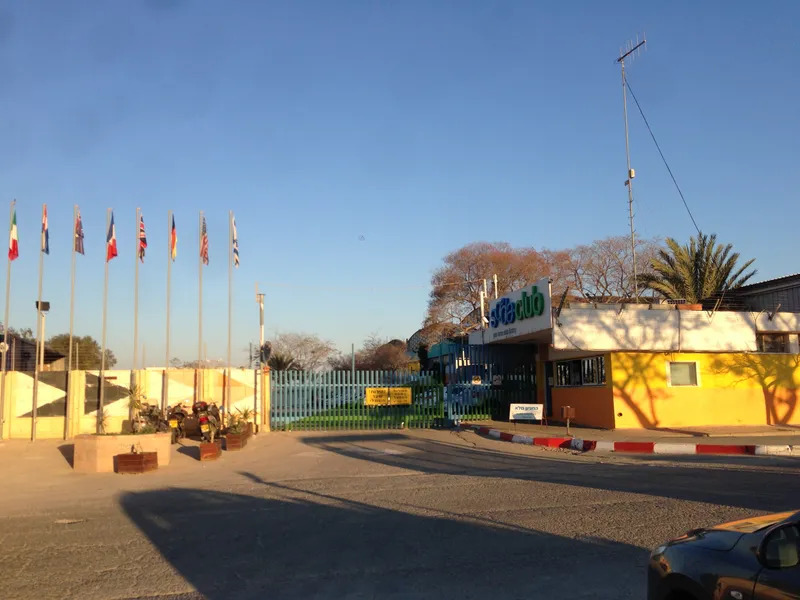
- What: SodaStream’s West Bank factory became a global symbol in the boycott debate, with activists targeting its settlement location while the company highlighted shared Israeli-Palestinian employment before relocating production to Israel in 2015.
- Where: Mishor Adumim in the West Bank, later Lehavim in Israel’s Negev.
- When: Early 2010s through the 2015 relocation, with a major publicity flashpoint in 2014.
SodaStream’s factory in the West Bank industrial zone of Mishor Adumim became one of the most visible battlegrounds in the fight over boycott campaigns, corporate image, and jobs in the Israeli-Palestinian conflict. What began as a manufacturing site for home carbonation machines turned into an international political symbol.
BDS Campaign and Factory Jobs
The pressure built in the early 2010s, when the Boycott, Divestment and Sanctions movement targeted SodaStream over its operations in an Israeli settlement area in the occupied West Bank. Activists argued that a consumer brand was profiting from settlement infrastructure and helping normalize it. SodaStream responded by highlighting another point: the factory employed both Israeli and Palestinian workers, and the company said those jobs offered higher wages and relative stability for many Palestinians.
That argument gave the story unusual force because it did not fit neatly into a simple boycott narrative or a simple corporate responsibility narrative. Supporters of the boycott saw the employment claim as beside the central issue of operating in a settlement. Supporters of the company pointed to the shared workplace as a rare example of economic coexistence in a highly divided landscape. Both sides treated the factory as evidence, but they were using it to prove different things.
Scarlett Johansson SodaStream Controversy
The controversy grew even more visible in 2014, when actress Scarlett Johansson became entangled in the dispute after appearing in a SodaStream advertisement while also serving as an Oxfam ambassador. Oxfam opposed trade with Israeli settlements, and Johansson ultimately stepped down from her role. At that point, the factory was no longer just a labor or trade issue. It had become a PR crisis with global reach.
2015 Move to Lehavim
In 2015, SodaStream moved production from the West Bank site to Lehavim in Israel’s Negev. The move was widely read as a major turning point, but it did not settle the underlying arguments. Critics of the settlement location saw the closure as validation of sustained pressure. Others noted that some Palestinian workers then faced uncertainty because permits to work inside Israel became a separate obstacle. The company’s relocation changed the map, but it did not erase the conflict that had made the factory so contested.
The clearest consequence was this: one factory forced a consumer products company to operate simultaneously as a manufacturer, employer, diplomatic symbol, and crisis-communications machine. By the time production shifted to the Negev in 2015, SodaStream was no longer discussing only sparkling water systems. It was explaining borders, labor permits, and legitimacy, all through the lens of a kitchen appliance brand.
Did You Know?
Scarlett Johansson had been an Oxfam ambassador before stepping down amid the SodaStream controversy.