
🌿 Stories carved by wind and water
Yellowstone Wolves Helped Reshape Willows, Beavers, and Streams
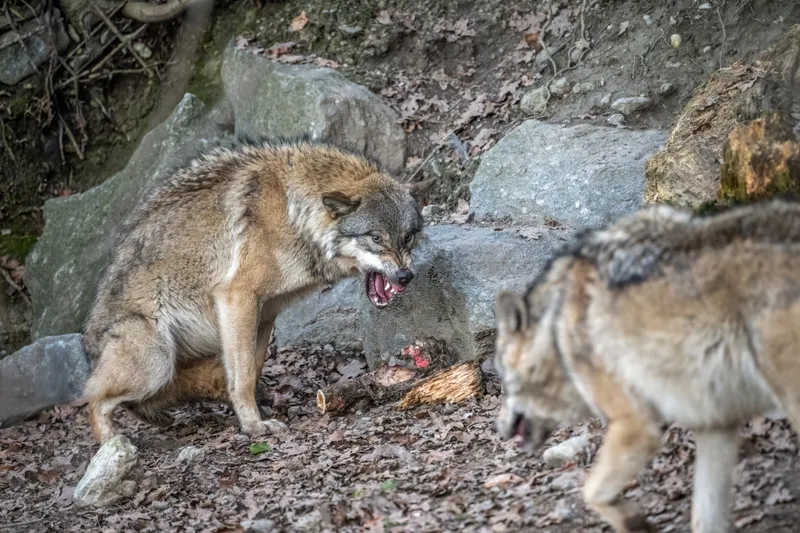
- What: Yellowstone’s wolf reintroduction in 1995 helped change elk browsing behavior in some riparian areas, allowing willows to recover and, in turn, supporting beavers and wetland habitat.
- Where: Yellowstone National Park, especially streamside and riparian areas.
- When: After wolves were reintroduced in 1995.
When wolves returned to Yellowstone in 1995, the change was not just about predators and prey. In parts of the park, their return was followed by a shift in how heavily elk browsed young willows along streams, which helped reshape wetlands.
How Wolves Changed Elk Browsing
This is the basic idea behind a trophic cascade: one change high in the food web can ripple downward into plants, water, and habitat. In Yellowstone, wolves reduced elk numbers somewhat, but the more important point for this story is behavior. In some valleys and stream corridors, elk spent less time lingering and feeding heavily in exposed riparian areas where wolves could pose a risk.
That mattered because willows had been under intense browsing pressure for years. Young shoots along creeks and rivers often got eaten before they could grow tall. After wolf reintroduction, researchers documented willow recovery in some places, especially where browsing pressure eased and local conditions also cooperated. As shrubs grew back, they stabilized streambanks, cast shade, and created more of the woody material that wetland species use.
Willows, Beavers, and Wetlands
Beavers were one of the most visible examples. Beaver colonies expanded in parts of Yellowstone after willows became available again. More willow means more food and more building material. Where beavers returned or increased, they built dams that slowed water, spread it across floodplains, and created ponds and wet meadows. Those changes can support fish, amphibians, waterfowl, and insects.
Limits of the Yellowstone Cascade
But this is where the story needs caution. Wolves were not the sole cause everywhere, and scientists have said so for years. Rainfall, stream shape, snowpack, other predators, human hunting outside the park, and the long history of elk and vegetation management all matter. In some areas, willow recovery was limited or patchy. In others, it was stronger. Yellowstone is large, and one neat explanation does not fit every drainage.
The real insight is not that wolves performed ecological magic. It is that predators can alter landscapes indirectly, through a chain of interactions that depends on place. In Yellowstone, that chain was clearest in certain riparian zones, where fewer heavily browsed willows could mean more shrubs, more beavers, and different streams.
So the concrete takeaway from Yellowstone is this: bringing back one predator did not simply add another animal to the park. In some valleys, it changed how elk used streamside habitat, which helped willows recover and gave beavers room to rebuild wetlands.
Did You Know?
Yellowstone is often cited as a landmark case of wolf reintroduction in a U.S. national park.