
🏆 Legends born in the arena
Lou Gehrig's Farewell Speech and Its Enduring Power
Today I consider myself the luckiest man on the face of the earth
- Who: Lou Gehrig
- Where: Yankee Stadium in New York
- When: July 4, 1939, during his farewell speech at the end of his baseball career
- Why: The line became famous because Gehrig said it while publicly ending his career after revealing a serious illness, and his gratitude under pressure gave the moment lasting cultural power.
On July 4, 1939, at Yankee Stadium, Lou Gehrig stood before a crowd to mark the end of his baseball career after revealing that he had a serious illness. The line most people remember came near the start: “Today I consider myself the luckiest man on the face of the earth.” It was a retirement speech, but it did not sound like one. That is why it has lasted.
Yankee Stadium Farewell in 1939
The setting gave the words unusual weight. Gehrig was not leaving on his own terms. He had been one of baseball’s most durable and productive players, famous for his consecutive-games streak and for a reputation built on steadiness rather than spectacle. By the summer of 1939, that image had been broken by illness. The disease later came to be widely associated with his name. So when he spoke that day, the public already understood that this was not just a roster change. It was an abrupt ending with mortal stakes.
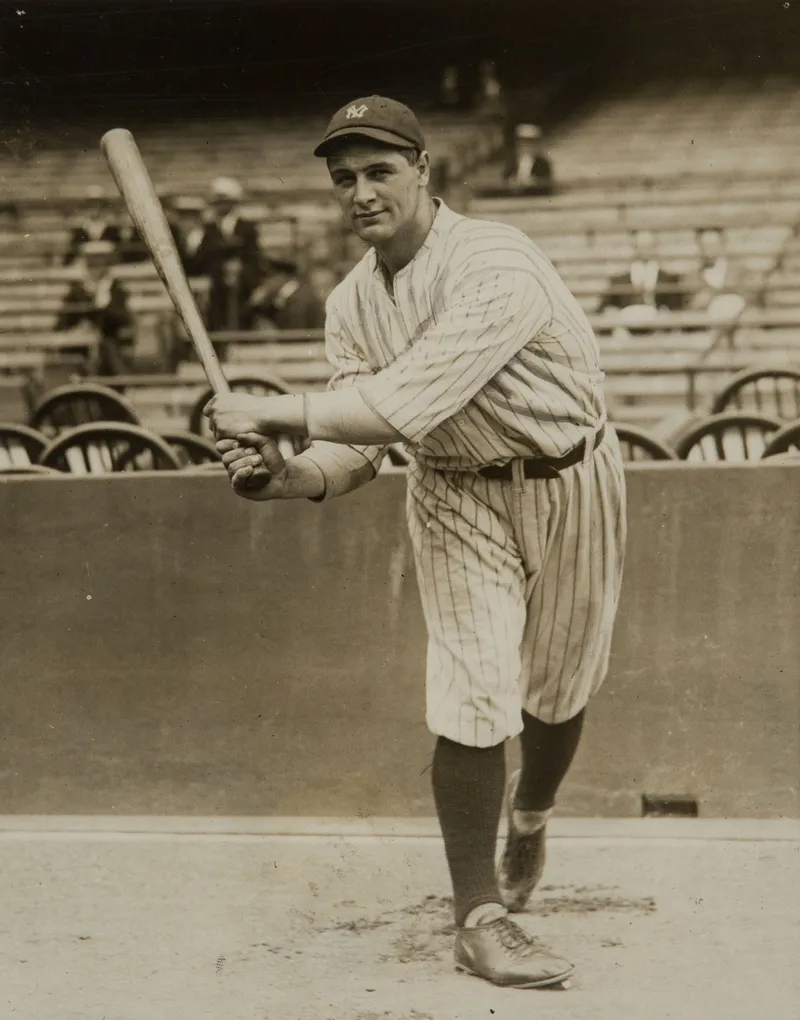
What made the quote so striking was its refusal to follow the expected script. A statement of bitterness, fear, or self-pity would have been understandable. Instead, Gehrig framed the moment through gratitude. He did not deny what had happened to him; he placed it beside the good he believed he had received from teammates, family, fans, and the game itself. The sentence is simple, almost plainspoken, but that simplicity is part of its force. “Luckiest man” is not analytical language. It is moral language. It tells listeners how he chose to measure his life in the very moment when loss could have defined it.
Why “Luckiest Man” Endures
That choice mattered in 1939 because baseball was one of the country’s largest public stages, and Gehrig’s illness had become public before a national audience. The speech turned a medical and professional crisis into a demonstration of restraint and dignity. It gave the crowd a way to understand the event: not only as tragedy, but as a test of character played out in public. That balance made the speech grave without becoming melodramatic.
The quote still resonates because it compresses an enormous human problem into one clear sentence: how to speak when your future has suddenly narrowed. Many famous lines survive because they sound clever. This one survives because it sounds usable. Gehrig did not offer a theory. He offered a posture. In a stadium built for competition, on a day meant to say goodbye, he used one sentence to shift attention from what illness had taken to what life had given. That is why the words remain attached not just to baseball history, but to the broader idea of dignity under pressure.
Did You Know?
The illness later became widely associated with Gehrig’s name.