⚙️ Traces from the dawn of innovation
Smart TV Serial Ports Explained: Hidden Service Headers
- What: Hidden serial console ports in some smart TVs are usually leftover factory or service interfaces used for development, testing, repair, or recovery rather than secret backdoors.
- Where: Inside some smart TVs, often on the motherboard under plastic caps or inside the chassis.
- When: Common in consumer electronics, especially embedded devices sold in the 2010s and 2020s.
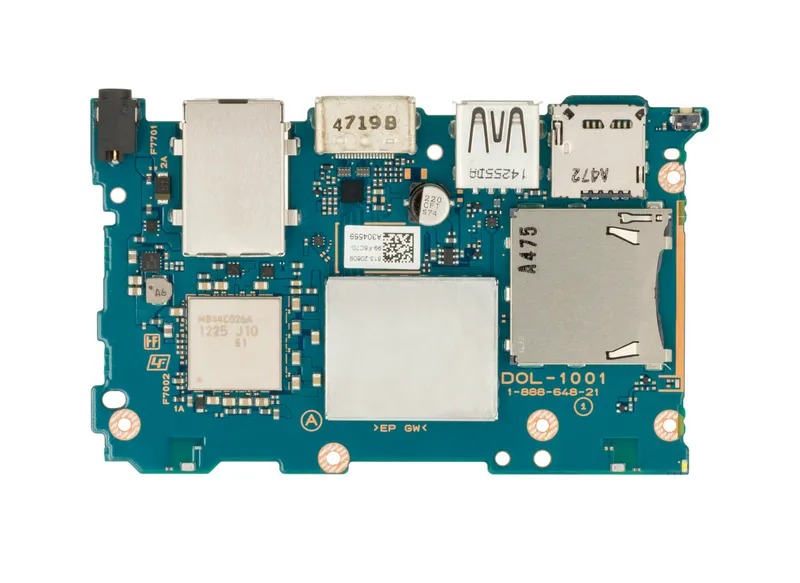
Some smart TVs have hidden serial console ports under plastic caps or inside the chassis, and the reason is usually much less dramatic than it sounds. In many cases, these are leftover factory or service interfaces: simple hardware connections engineers use during development, testing, repair, or recovery.
What the Serial Console Does
The idea is straightforward. A serial console is a basic communication channel that lets technicians see boot messages, diagnose startup failures, or interact with low-level software. On embedded devices, including some televisions, that kind of access can be useful long before a polished on-screen menu even loads. During manufacturing, it helps bring up new boards. At a service center, it can help confirm whether a mainboard is booting, crashing, or stuck.
That is why enthusiasts sometimes find a small header on a TV motherboard labeled with familiar markings such as TX, RX, GND, or UART. In some models, the contact points are exposed but covered. In others, they are present on the board but never populated with a connector. This is not unusual in embedded hardware. Designers often leave test and debug points in place because removing them adds cost, complicates servicing, or simply is not worth redesigning for every production revision.
Why Hidden TV Headers Exist
The common misconception is that a hidden serial header is a secret hacking feature or an intentional backdoor. Usually, it is neither. It is more often a practical service interface that remained accessible because the hardware platform was built for engineering convenience and repair workflows. Whether it actually allows meaningful access depends on the model, firmware, and vendor choices. Some sets may expose boot logs and nothing more. Others may require authentication. Some consumer TVs do not expose any easy serial access at all.
This has shown up across consumer electronics for years, especially in Linux-based or otherwise embedded systems sold in the 2010s and 2020s. Smart TVs, streaming boxes, routers, and set-top hardware often share this design habit because they are built and serviced like appliances, not like sealed mystery objects.
Service Interface, Not Backdoor
So when a smart TV has a hidden serial header, the most concrete explanation is usually the simplest one: it is a leftover service or debug interface from manufacturing and repair. It is not proof of a covert feature. It is a visible reminder that inside the thin plastic shell, a smart TV is still an embedded computer built by engineers who needed a practical way to talk to it before anyone ever turned it on in a living room.
Did You Know?
UART serial ports typically use just three basic signals: TX, RX, and GND.