
🏺 Recovered from the dusty archives
Michael Faraday Turned Down a Knighthood and Royal Society Power
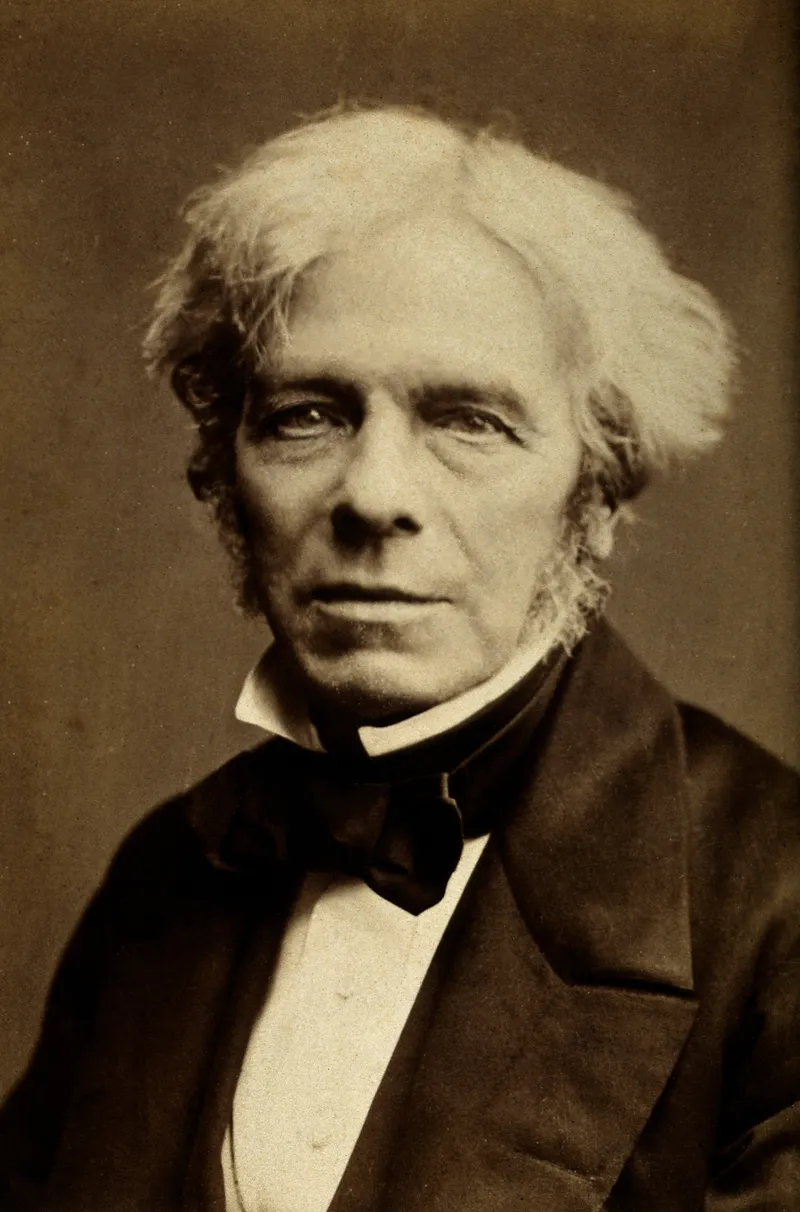
- What: Michael Faraday, despite major scientific fame, declined a knighthood and later refused the presidency of the Royal Society, preferring laboratory work and public lecturing over high office.
- Where: London, especially the Royal Institution.
- When: 19th-century Victorian Britain.
Most famous scientists are remembered for the honors they collected. Michael Faraday is also remembered for the honors he refused. In 19th-century Britain, after transforming physics and chemistry with his work on electricity and magnetism, Faraday declined a knighthood and later refused the presidency of the Royal Society.
Faraday’s Fame in London
Those refusals stand out because they came after success, not before it. By the 1830s and 1840s in London, Faraday was not an obscure lab worker. He was one of Britain’s best-known men of science, celebrated for discoveries in electromagnetism and for lectures that drew large public audiences at the Royal Institution. A title from the Crown or leadership of the Royal Society would have fit the usual pattern of recognition.
Instead, Faraday kept returning to the bench and the lecture table. He spent years building apparatus, testing materials, winding coils, observing sparks, and turning subtle effects into repeatable experiments. He also became one of the great public lecturers of his age. His Christmas Lectures, especially those aimed at young audiences, helped make scientific demonstration part of public culture rather than something reserved for elite institutions.
Why Faraday Refused Office
That does not mean he was untouched by status or somehow outside the scientific world. Faraday accepted many honors during his life, and he worked inside major institutions. But the specific offices he refused mattered because they would have pushed him deeper into rank, ceremony, and administration. The presidency of the Royal Society, in particular, was not just symbolic prestige. It meant authority, representation, and a larger share of institutional politics.
That choice says something important about the period. In Victorian Britain, science was becoming more organized, more public, and more tied to national prestige. For someone at Faraday’s level, refusing top honors was unusual precisely because such honors were part of how authority was displayed. His decisions did not reject science’s public role. If anything, they redirected it toward experiments people could witness and explanations they could follow.
Knighthood and Royal Society Refusal
So when Faraday declined a knighthood and the Royal Society presidency, the result was concrete: one of Britain’s most celebrated experimental scientists remained identified less with title and office than with the laboratory at the Royal Institution and the lecture hall where he made invisible forces visible.
Did You Know?
Faraday also founded the tradition of the Royal Institution Christmas Lectures in 1825, helping make science accessible to general audiences.