🫀 Secrets of the human vessel
CAST Trial Showed Safer-Looking Heart Rhythms, Worse Survival
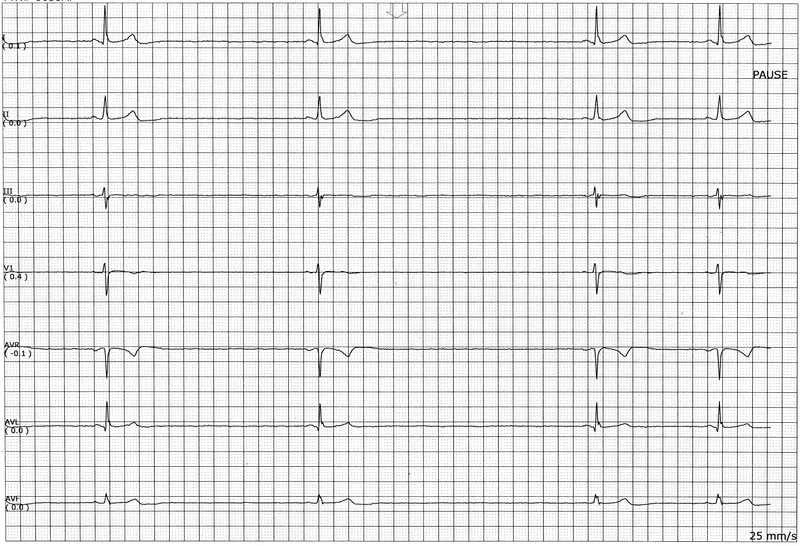
- What: The CAST trial showed that antiarrhythmic drugs encainide and flecainide suppressed PVCs after myocardial infarction but increased mortality, proving that an improved surrogate marker does not necessarily mean better patient outcomes.
- Where:
- When: Late 1980s.
In the late 1980s, the CAST trial delivered one of cardiology’s hardest lessons: drugs that made heart rhythms look better after a heart attack were linked to more deaths, not fewer.
The logic seemed solid. After myocardial infarction, many patients have premature ventricular complexes, or PVCs. On a monitor, those extra beats can look ominous. Encainide and flecainide were good at suppressing them. The numbers improved. The rhythm strips looked cleaner. For a while, that seemed to be exactly what doctors wanted.
Then the trial results forced a stop.
CAST Trial Results
CAST, short for the Cardiac Arrhythmia Suppression Trial, tested whether suppressing these ventricular arrhythmias after MI would improve survival. Instead, patients receiving encainide or flecainide had higher mortality than those on placebo. A treatment aimed at reducing visible rhythm abnormalities had made the main outcome that mattered worse.
PVC Suppression as Surrogate Endpoint
That reversal was so important because it exposed a common medical misconception: if a marker is associated with danger, changing the marker must reduce the danger. But PVC suppression was a surrogate endpoint, not the endpoint patients actually live with. Fewer abnormal beats on an ECG did not automatically mean fewer fatal events.
The lesson was not that monitoring rhythm is useless, or that every surrogate endpoint is worthless. Surrogates can still help guide care and research. The problem comes when a surrogate is treated as a stand-in for survival without proof that improving it improves lives. CAST showed that antiarrhythmic drugs could quiet the signal on the screen while increasing the underlying risk, likely because of proarrhythmic effects in vulnerable post-MI hearts.
How CAST Changed Practice
The trial changed practice well beyond electrophysiology. It became a defining example in evidence-based medicine, cited whenever a therapy produces impressive lab values, scan results, or physiologic improvements before anyone has shown a real clinical benefit.
The concrete implication of CAST is simple and enduring: after a heart attack, a drug does not earn trust because it normalizes an ECG finding. It earns trust only if patients live longer or better with it. Encainide and flecainide suppressed PVCs. CAST showed that was not enough.
Did You Know?
The CAST findings helped establish a major evidence-based medicine principle: surrogate endpoints must be validated against real clinical outcomes before they are used to judge treatment benefit.