
🌍 Records from the halls of power
Mario Draghi's "Whatever It Takes" Euro Pledge
Within our mandate, the ECB is ready to do whatever it takes to preserve the euro
- Who: Mario Draghi, president of the European Central Bank.
- Where: London.
- When: July 26, 2012, during the eurozone sovereign-debt crisis.
- Why: It became a defining promise of ECB resolve, helping reassure markets that the euro would be defended and marking a turning point in expectations during the crisis.
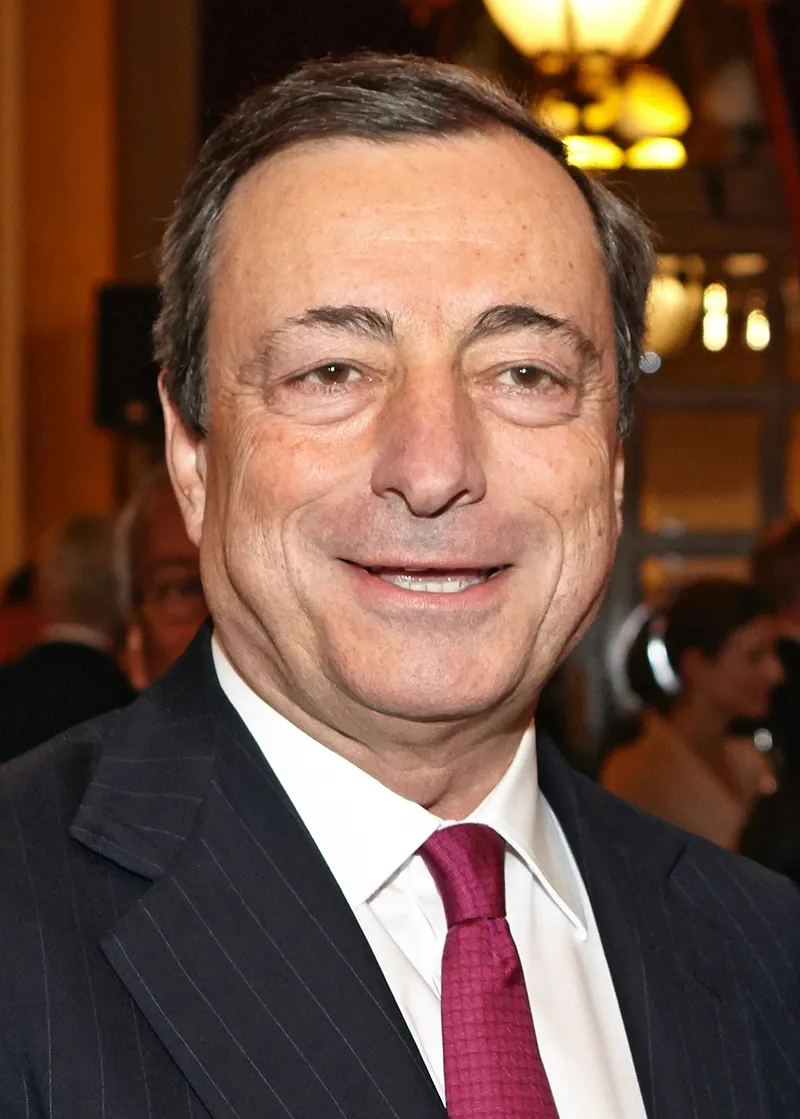
On July 26, 2012, in London, European Central Bank President Mario Draghi delivered the line that would define his role in the euro crisis: “Within our mandate, the ECB is ready to do whatever it takes to preserve the euro.” He immediately added, “And believe me, it will be enough.”
Eurozone Crisis Context
The setting mattered. The eurozone sovereign-debt crisis had dragged on for years. Investors were doubting whether the single currency could hold together. Borrowing costs for countries such as Spain and Italy had risen sharply. There was fear not just of recession, but of breakup. Governments were constrained, summit meetings had often disappointed, and public confidence had been worn down by uncertainty.
Draghi did not announce a dramatic policy package that day. That is part of why the sentence stands out. It was a short verbal commitment before it was a detailed program. But it came from the one institution markets still believed might have the scale and authority to act decisively: the ECB. When he said “within our mandate,” he was signaling both resolve and limits. He was not claiming unlimited power. He was saying the central bank would use the power it did have.
The force of the quote was in its balance. “Whatever it takes” sounded absolute, almost blunt. “Within our mandate” sounded legal, cautious, and institutional. Together, the phrases reassured two audiences at once. Financial markets heard a promise that the ECB would not stand by if the euro came under existential pressure. Skeptics, especially in countries wary of overreach, heard that Draghi was grounding that promise in the bank’s formal responsibilities.
ECB “Whatever It Takes” Meaning
That is why the line resonated so strongly. It arrived at a moment when confidence itself had become a central problem. The euro was not only under economic strain; it was under psychological strain. People needed to know whether the currency had a defender with credibility. Draghi’s words worked because they were simple, timed to maximum pressure, and delivered by a figure whose institution could plausibly change events.
The quote is remembered not because it instantly solved the crisis on its own, but because it marked a turning point in expectations. In the weeks that followed, the ECB moved toward the bond-buying framework later known as Outright Monetary Transactions. Markets had already started to absorb the message: the bank was signaling that a collapse of the euro would not be treated as acceptable.
Outright Monetary Transactions Legacy
That is the concrete legacy of the sentence. It did not end Europe’s problems, and it did not erase political conflict. But in one carefully framed pledge in London, Draghi changed what investors thought the ECB was prepared to do. The quote endures because, in a crisis driven partly by fear, belief in that commitment was itself a form of power.
Did You Know?
Draghi’s remark helped set the stage for the ECB’s later bond-buying framework known as Outright Monetary Transactions.