
🏆 Legends born in the arena
Catchers Dropping Foul Tips to Stop Base Stealers
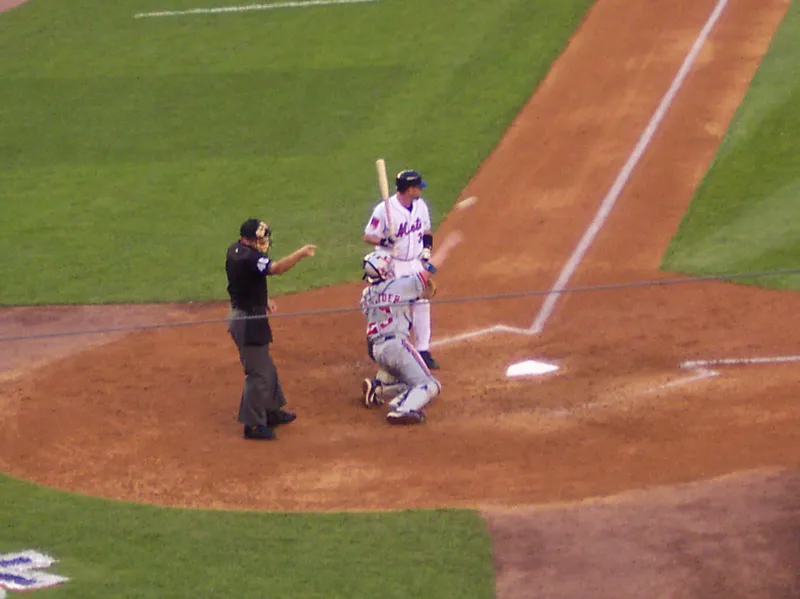
- What: A catcher may intentionally let a foul tip drop foul to stop live action and send baserunners back in some situations.
- Where: At home plate during a baseball at-bat.
- When: When runners are moving.
Catchers sometimes let a foul tip hit the dirt on purpose. It looks like a miss, but in the right moment, it can be the smarter defensive play.
How a Dropped Foul Tip Stops Runners
The idea is simple. If a catcher cleanly catches a foul tip with two strikes, it is treated like a strike, and the ball stays live. That means runners can keep going. But if the catcher does not catch it and the ball lands foul, it is just a foul ball. The play stops. Any runners who were stealing have to go back.
That is why a catcher may choose not to secure the ball when there is a runner breaking for second or even a hit-and-run in motion. Instead of helping record a strike while allowing the running game to keep pressuring the defense, the catcher can kill the action immediately by letting the ball drop foul.
Two-Strike Foul Tip Strategy
A version sometimes discussed happens with two strikes and a runner on first. The pitch comes in. The batter barely nicks it. The runner is already moving. If the catcher gloves that foul tip cleanly, it is strike three and the runner may still get a stolen base uncontested. If the catcher lets the same ball fall foul, the at-bat continues and the runner is sent back to first. That trade erases the baserunning gain but also forgoes the strikeout that a clean catch would have produced.
There is an important misconception here. Fans often assume every dropped foul tip is just a mistake, especially because foul tips happen fast and are hard to handle. Many of them are mistakes. But not all of them are. In some spots, experienced catchers and pitchers understand the situation and prefer the dead-ball reset over a live-ball result that helps the offense.
Why Catchers Let It Drop
This is not some constant move used every inning. It depends on the count, the runners, and whether the catcher can read the contact in time. A sharply deflected ball can also be impossible to hold even when the catcher wants it. But the tactic is real, and baseball people have talked about it for years because it fits the sport’s cold logic: sometimes not making the catch gives the defense the better outcome.
So when a runner is in motion and a tiny foul ball falls untouched near home plate, the result can be more useful to the defense than a clean catch. The runner goes back, the threat disappears for a moment, and the catcher has quietly chosen control over a live play.
Did You Know?
In baseball scoring, a foul tip is only recorded as such if the ball is caught by the catcher; if it is not caught, it is simply a foul ball.