
🕯️ Notes from the casefile
Soham Murders: How Pollen Helped Trace Huntley's Car
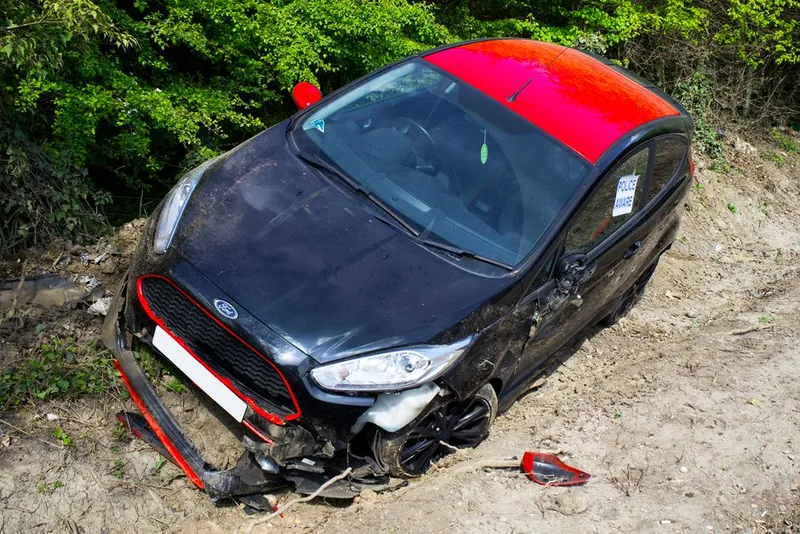
- What: The Soham murders case used forensic pollen and plant traces from Ian Huntley’s car to help link it to the disposal site where Holly Wells and Jessica Chapman were found.
- Where: Soham, Cambridgeshire, and the area near RAF Lakenheath.
- When: 2002–2003.
In the 2002 Soham murders case, some of the most important courtroom evidence came from material so small it could be missed at a glance. Pollen grains and tiny plant fragments recovered from Ian Huntley’s car were consistent with the overgrown track and ditch where Holly Wells and Jessica Chapman were found.
Soham Murders Investigation
The murders of the two 10-year-old girls in Soham, Cambridgeshire, shocked Britain in August 2002. Investigators were working through witness accounts, vehicle movements, and Huntley’s changing explanations. But another line of evidence was developing more quietly: the microscopic traces that cling to shoes, clothing, and cars when they move through the landscape.
That work involved forensic palynologist Patricia Wiltshire, a specialist in pollen and spores. By examining debris from Huntley’s red Ford Fiesta, she identified pollen and plant material consistent with the disposal site near RAF Lakenheath. The significance was not that pollen offered a dramatic single-answer moment. It was that these traces helped connect the car to a very specific environment, one with a distinctive mix of vegetation and ground material.
Patricia Wiltshire’s Pollen Evidence
In court, that mattered. Huntley had denied key parts of his involvement, and the case depended on building a reliable picture from multiple strands of evidence. Wiltshire’s findings were used by the prosecution as part of that wider picture. Forensic botany did not stand alone, and it was not presented as magic. It was one piece of a larger evidential chain, alongside witness evidence and other forensic work.
What makes this case endure in forensic history is the scale of the clue. People often think of criminal evidence as fingerprints, DNA, or CCTV. The Soham investigation showed that ordinary landscapes leave signatures too. A neglected track, ditch vegetation, and airborne pollen could become part of the record if someone knew how to read them.
Ian Huntley Trial Evidence
Ian Huntley was convicted in 2003 of the murders of Holly Wells and Jessica Chapman. Among the evidence placed before the jury was Patricia Wiltshire’s analysis of pollen and plant traces from his car, which was used to help place that vehicle at the disposal site.
Did You Know?
Patricia Wiltshire is a forensic palynologist, meaning she specializes in using pollen and spores as evidence in criminal investigations.