
🌿 Stories carved by wind and water
5 Animal Architects Creating Keystone Habitats for Entire Ecosystems
- What: This list highlights animals that act as ecosystem engineers by building structures that create habitat and support many other species.
- Where: Across terrestrial, freshwater, and marine environments worldwide.
- When: In the present-day natural world.
Some animals do more than survive in a landscape. They remodel it. What they build becomes shelter, feeding grounds, nurseries, or refuges for species that have nothing to do with the original builder.
These are animal architects whose creations act like ecological real estate. From wetlands and burrows to reefs and mounds, their structures can support entire communities and sometimes keep doing so long after the builder is gone.
1. Beavers — dams that rewrite landscapes
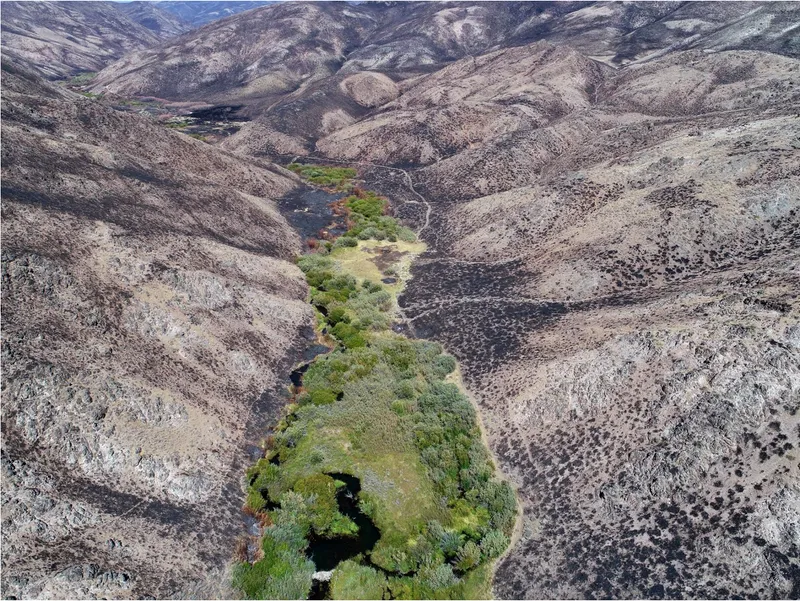
Beavers build dams that slow and impound water, turning streams into ponds and wetlands. That single construction project can change the shape, depth, and movement of water across a whole area.
The surprise is how many species move in once that happens. Amphibians, fish, waterfowl, invertebrates, and wetland plants all benefit from the new habitat. Even after a dam is abandoned, the pond and later meadow stages can persist for years to decades, continuing to support diverse communities.
2. Gopher tortoise — the burrow city maker
The gopher tortoise digs burrows, but those burrows do not stay private for long. They become shelter for many other animals sharing the same dry landscape.
That is why the tortoise is often described as an apartment builder for its ecosystem. Its burrows shelter hundreds of species, including snakes, frogs, mammals, and countless invertebrates. One animal digs, and an entire underground neighborhood appears.
3. Corals — architects of underwater metropolises
Stony corals build the hard framework of coral reefs. Over time, those skeletons create a vast three-dimensional structure in the ocean, full of ledges, cracks, and surfaces that other life can use.
The scale is what makes this astonishing. Reef frameworks built by corals host about a quarter of all marine species, from sponges to fishes. They are not just organisms sitting in the water. They are the builders of underwater cities.
4. Termites — mound engineers with climate control
Fungus-growing termites such as Macrotermes construct mounds that are more than piles of dirt. These structures are ventilated and help stabilize temperature and humidity inside.
That engineering matters far beyond the termites themselves. The mounds become nutrient-rich islands used by specialized fungi, invertebrates, reptiles, birds, and plants. A termite mound is both a home and a life-support system for a wider ecological cast.
5. Tube-building marine worms — reefing with mucus and sand
Some marine worms, including sabellariid worms that cement sand and shell and serpulid worms that build calcareous tubes, form reefs and dense tube mats. It sounds delicate, but the result is a real structure on the seafloor.
Those worm-built formations create hard substrate and tight crevices where other organisms can settle or hide. Crustaceans, anemones, mollusks, and small fishes use them, and local biodiversity rises because the worms have effectively built new habitat from loose material.
The pattern is simple and powerful: some of nature’s most important species are not the biggest predators or fastest movers, but the builders. Their dams, burrows, reefs, mounds, and tubes become places where entire communities can live.
Did You Know?
Beaver ponds can help reduce downstream flooding by slowing water flow and spreading it across floodplains.