
🧩 Fragments from the unknown
Dead Sea Scrolls Restoration Mistakes Hid Parts of the Text
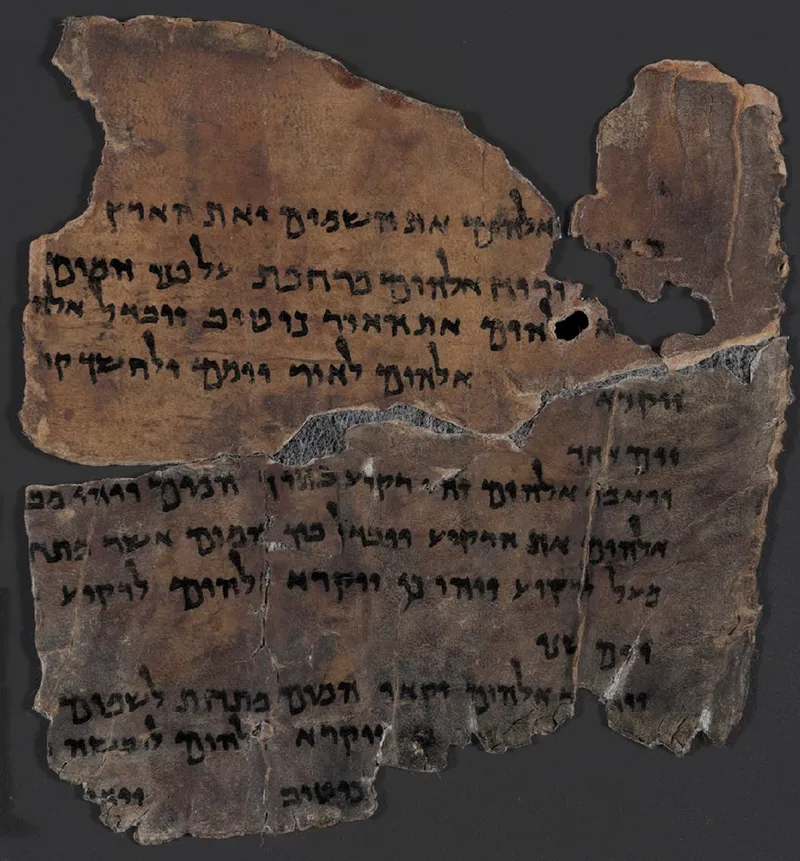
- What: Early Dead Sea Scroll conservation sometimes obscured the text because aging repair materials like animal glue and other early adhesives later covered or damaged the ancient fragments.
- Where: Near Qumran by the Dead Sea.
- When: From the scrolls’ discovery beginning in 1947 through later conservation and reexamination work.
Early efforts to preserve the Dead Sea Scrolls ended up covering some of what scholars were trying to save. After the scrolls were found near Qumran, by the Dead Sea, conservators used materials such as animal glue and other early adhesives to stabilize brittle fragments. Those fixes seemed practical at the time. Decades later, they became part of the problem.
Early Scroll Conservation Methods
The scrolls, discovered beginning in 1947, arrived in thousands of fragile pieces. They were cracked, curled, and extremely sensitive to light, humidity, and handling. If conservators did nothing, fragments could break apart further. So they reinforced, mounted, and repaired them with the best methods then available. The trouble was that some of those materials aged badly.
Cellulose nitrate, used in many twentieth-century conservation settings, can discolor and become unstable over time. Adhesives made from animal glue could also darken, stiffen, or spread beyond the original repair. On manuscripts as delicate and irregular as the Dead Sea Scrolls, that aging could leave shiny films, dark patches, and flaking layers sitting directly over ink and parchment.
How Restoration Materials Obscured Text
That created a difficult second-stage mystery for later scholars. When they examined a fragment, they were not only reading a text roughly two thousand years old. They were also trying to identify which marks belonged to ancient scribes and which came from modern intervention. In some cases, obscured letters had to be studied through new imaging, close material analysis, and painstaking conservation work that reversed or reduced earlier treatments where possible.
This does not mean the original restorers were careless. They were working with newly discovered manuscripts in conditions that were far from ideal, using accepted conservation practices of their era. But if the treatment material ages poorly, the result is counterintuitive: preservation can turn into obstruction. A repair meant to protect the text can physically sit between the scholar and the writing.
Reevaluating Dead Sea Scroll Readings
The consequence is unusually concrete. Readings, photographs, and even fragment joins sometimes had to be reconsidered after modern residues were separated from the ancient surface. For Dead Sea Scrolls research, that means part of the job has been not just recovering old words from damaged parchment, but also disentangling those words from twentieth-century glue, film, and flake. In the lab, the question was no longer only what the scrolls said in antiquity, but what modern preservation had accidentally hidden.
Did You Know?
The Dead Sea Scrolls include the Great Isaiah Scroll, one of the best-preserved and most famous scrolls in the collection.