
⚙️ Traces from the dawn of innovation
DVD Region Coding and the Hidden Debug Loophole
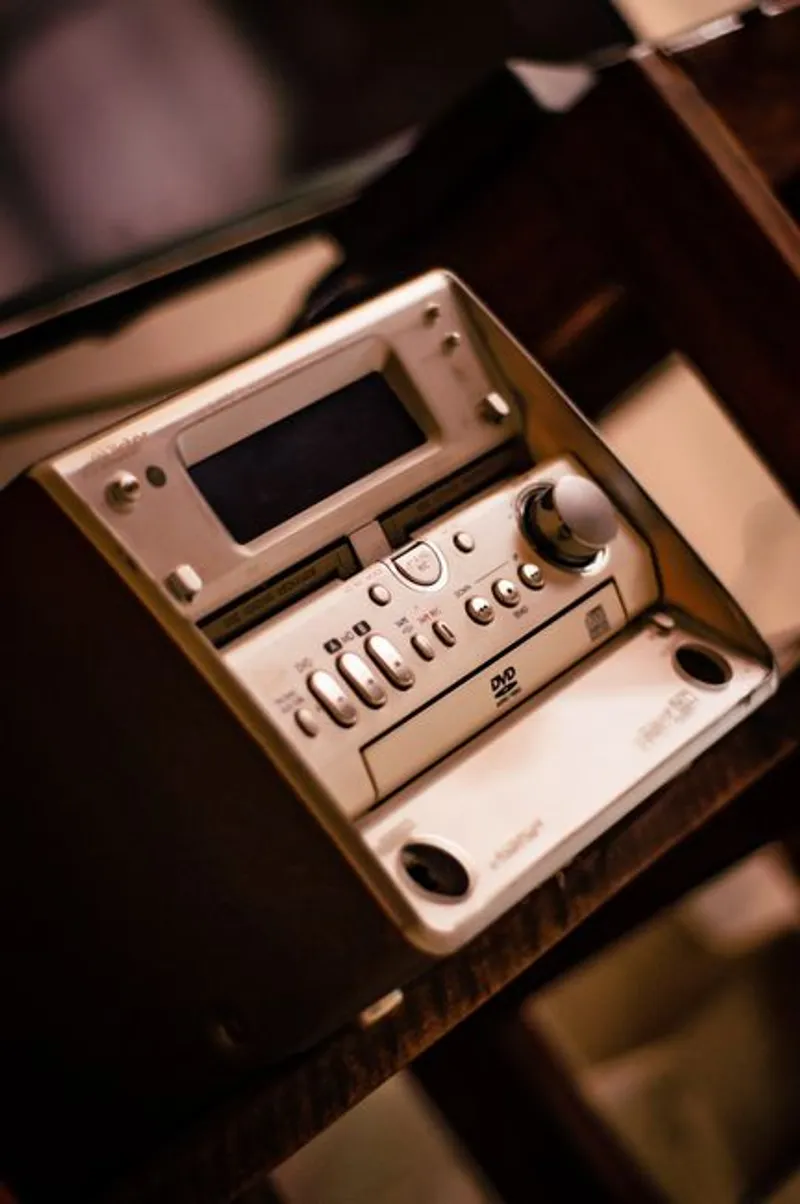
- What: Early DVD players sometimes exposed hidden service or debug modes that let owners change region settings, leading to model-specific hacks that could make some players region-free.
- Where: DVD players sold in different global markets.
- When: Late 1990s and early 2000s.
DVD region coding was designed as a control system. Starting in the late 1990s, major studios used it to limit where discs could play, dividing the world into numbered regions such as Region 1 for the US and Canada and Region 2 for much of Europe and Japan. On paper, it was simple: buy a player in one market, and it would reject discs sold for another.
Hidden DVD Player Debug Modes
In practice, some early DVD players complicated that plan. A number of models shipped with service or debug functions that were never meant for ordinary buyers, but could still be reached through odd button sequences, service remotes, or firmware menus. On certain units, those hidden options let the player’s region setting be changed. Sometimes it was temporary. Sometimes it could be changed permanently. That detail mattered, because it turned region coding from a locked studio policy into a setting that could be probed, copied, and rewritten.
That is where the one-off hacks began. Around the late 1990s and early 2000s, owners started trading model-specific instructions online: press Setup, then a number code, then Open; use a universal remote with an undocumented command; burn a modified firmware disc for a particular machine. The details varied wildly by brand and chipset. A trick that worked on one Panasonic, Philips, or Pioneer model might do nothing on another released months later. There was no single master method. There was a growing archive of small, precise workarounds.
Region-Free DVD Player Hacks
The interesting part is not that region coding failed everywhere. It did not. Many players remained locked down, and manufacturers revised firmware and hardware over time. But the hidden engineering pathways inside some early machines created a practical target for hobbyists and repair-minded users. This was less a dramatic battle than a technical side effect: devices built with test modes, factory settings, and update paths often carried more flexibility than the market rules wrapped around them.
That helps explain why the DVD era produced a small cottage industry of region-free conversions, mail-order chips, service remotes, and forum posts built around exact model numbers. The goal was usually mundane: imported movies, alternate releases, anime, concert discs, or titles unavailable locally. The region lock stayed real, but it was no longer abstract. It had become something concrete people could inspect in firmware, toggle in a menu, or bypass with a very specific sequence on a very specific player.
Changing DVD Region Settings
So DVD region coding ended up revealing a familiar hardware truth from the early consumer-tech internet: once a restriction lives inside a device, someone will eventually map the menu behind it. In the DVD player world, that often started with a hidden debug mode and ended with a permanently changed region setting.
Did You Know?
Some DVD discs and players also used Macrovision copy protection, a separate restriction from region coding.