🌍 Records from the halls of power
Surtsey Island Became a Protected Experiment in New Life
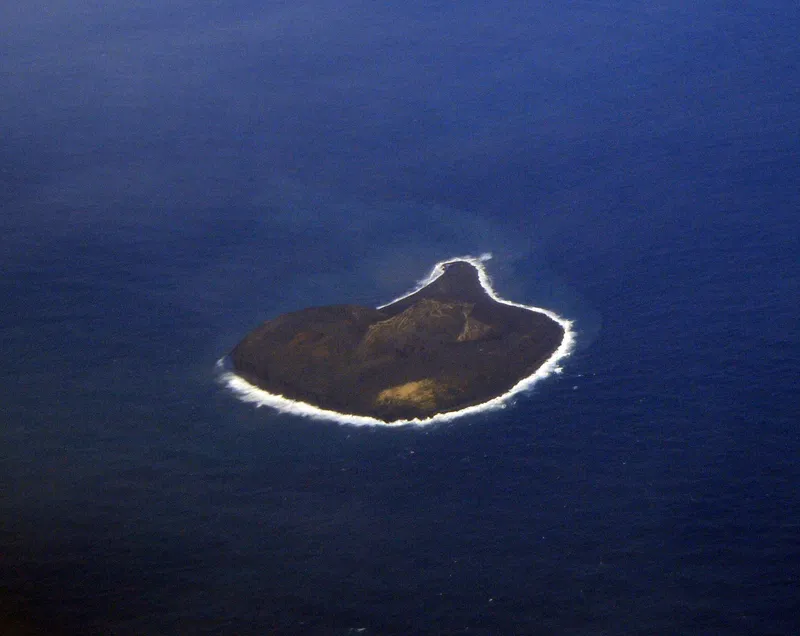
- What: Surtsey is a volcanic island that scientists have used to study primary succession under unusually strict protection from human disturbance.
- Where: Off the coast of Iceland in the North Atlantic.
- When: It formed in 1963 and has been studied for more than sixty years.
In 1963, a volcanic eruption off Iceland pushed a new island out of the North Atlantic. It was named Surtsey, and almost immediately it became something unusually valuable: a place scientists could study with very little human interference.
Why Surtsey Was Protected
That decision shaped everything that followed. Casual visits were heavily restricted, not because the island was mysterious, but because even a few footprints could distort the record. A dropped seed, an insect on clothing, or soil stuck to a boot could change which species arrived first. Researchers wanted to see how an ecosystem would assemble on a brand-new island as naturally as possible.
What happened next was slow, uneven, and scientifically useful. Wind carried in seeds. Sea currents brought drift material. Birds landed, rested, and left behind nutrients and more seeds. Insects arrived by air and by sea. Early plant life did not spread in a neat line; some species appeared, failed, and reappeared. Different parts of the island changed at different speeds depending on ash, lava, moisture, and bird activity.
Primary Succession on Surtsey
That matters because ecological succession is usually studied after the fact, in places already shaped by people or by older biological communities. Surtsey offered something rare: a known starting point. Scientists knew when the island formed, what it was made of, and which human disturbances they were trying to prevent. That did not make the island a perfect laboratory, and researchers have had to be careful about uncertainty and changing conditions. But it made Surtsey one of the clearest real-world cases of primary succession ever observed.
The bird colonies became especially important. Once seabirds began nesting there in larger numbers, they altered the island’s trajectory by adding nutrients to soils that had started out poor and raw. Plant communities expanded faster in those enriched areas, showing how animals can reshape early ecosystems instead of merely joining them.
How Seabirds Changed the Island
Surtsey’s significance is concrete. Because Iceland limited access, scientists could document how life reached fresh volcanic ground in stages rather than guessing backward from a finished landscape. More than sixty years after it emerged, Surtsey is still not just an island off Iceland. It is a closely guarded baseline for understanding how land becomes habitat.
Did You Know?
In 2008, Surtsey was added to the UNESCO World Heritage List.