
⚙️ Traces from the dawn of innovation
Tap-to-Pay Security Differs More Than Most Phones Show
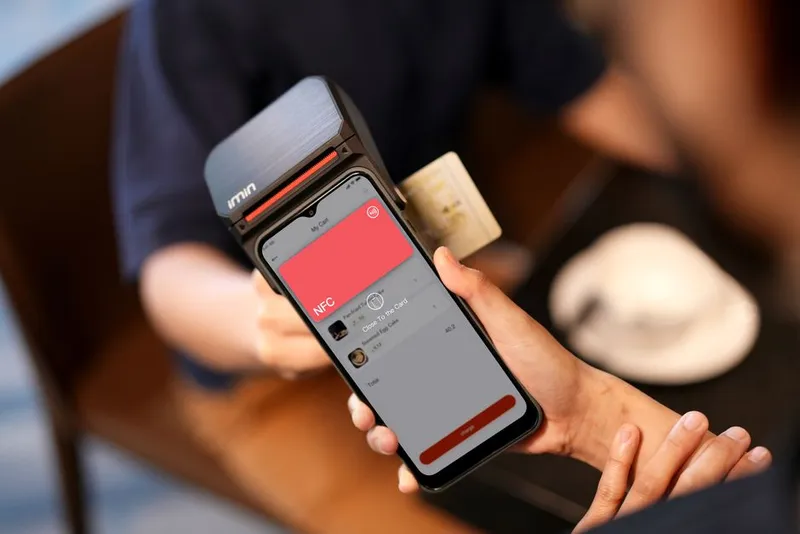
- What: Two phones can both support tap-to-pay, but secure-element designs and HCE-based designs protect payment data differently, with the former relying on dedicated hardware and the latter relying more on software and cloud-managed controls.
- Where: At checkout counters.
- When: In 2024.
Two phones can look identical at checkout and still protect your payment very differently. In 2024, many smartphones support tap-to-pay with the same fast, familiar gesture, but some rely on a dedicated secure chip while others use software-based host card emulation, or HCE, with payment credentials handled outside a separate hardware secure element.
Secure Element vs HCE
That difference is mostly invisible. The screen lights up, the terminal beeps, the receipt prints. From the user’s side, nothing seems different. Under the glass, though, the design choice matters because a secure element is built to isolate sensitive payment data and resist tampering in hardware, while HCE shifts more of the work into software and cloud-managed token systems.
The easiest way to picture it is this: one phone stores the most sensitive part of the tap-to-pay process inside a locked room built for that purpose. Another may use a well-guarded system spread across the main device software and remote payment infrastructure. Both can process a payment token instead of exposing your actual card number, and modern HCE systems are not automatically unsafe. They are often designed with encryption, tokenization, and risk checks that make everyday payments workable at scale.
Tap-to-Pay Tamper Resistance
But the protection is not identical. A dedicated secure element is meant to keep secrets in a part of the device that is physically and logically harder to probe or modify. HCE, by design, does not put that same boundary around payment handling. That does not mean every software implementation is weak, and it does not mean a secure-element phone is invulnerable. It means the tamper-resistance baseline can be lower when there is no dedicated chip doing that job.
The common misconception is that if two phones both support wallet apps and both pass bank certification, they must be securing payments the same way. They are not. The user experience can be nearly identical while the underlying trust model is different.
Different Payment Security Architectures
So the concrete reality is simple: at a checkout counter in New York, London, or Seoul, two successful taps can represent two different security architectures. One may keep the most sensitive payment operations inside hardware designed for that single purpose. The other may depend more heavily on software controls and token management. The payment still works, but the level and location of protection are not the same.
Did You Know?
Google Wallet and Apple Pay both use tokenization, so merchants typically don't see your actual card number.