🏆 Legends born in the arena
9 Sports Tiebreak Rules That Once Decided Everything
- What: This article surveys older and unusual ways tied sports matches or level standings were resolved before modern standardized tiebreaks became common.
- Where: Mainly football and boxing competitions in international sport.
- When: Mostly during the 20th century and into the early modern era, before current rules became standard.
Modern sports fans expect tidy endings: extra time, shootouts, overtime, maybe penalties. But for decades, tied games and level standings were often settled by rules that now feel almost unbelievable.
Across football and boxing in particular, organizers used a strange patchwork of methods to end contests. Some rewarded caution. Some relied on chance. A few simply handed enormous power to officials and outdated procedures.
1. Leagues settled by goal average (goals scored ÷ goals conceded)
Some football leagues once broke ties using goal average, not goal difference. Instead of subtracting goals conceded from goals scored, teams were ranked by dividing one by the other.
That sounds technical, but it shaped how teams played. Because conceding damaged the ratio so sharply, the system encouraged lower-risk, defensive tactics before it was eventually phased out.
2. Advancement by a literal coin toss
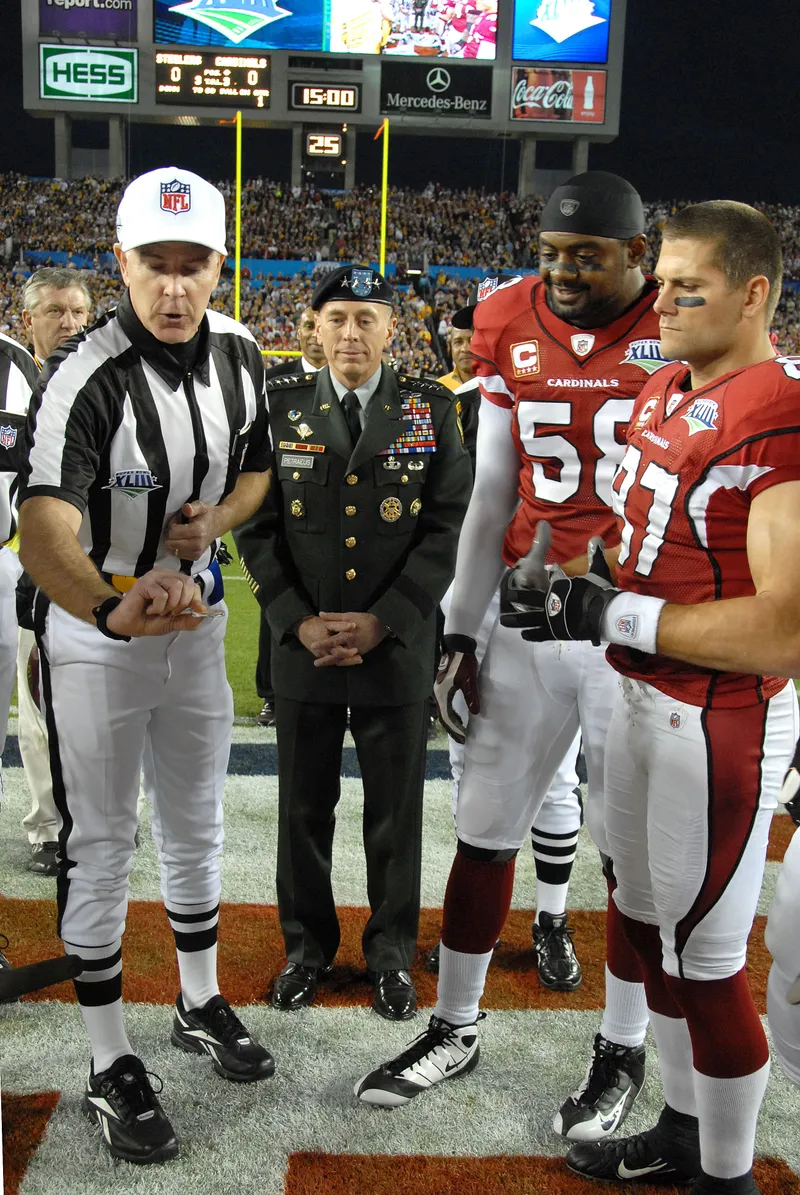
Yes, a knockout tie could once end with a coin toss. When extra matches, extra time, or other solutions were not practical, advancement was sometimes decided by pure chance.
What makes it so jarring is not just the randomness. It is that this happened in serious 20th-century competitions, where months of work could end with one flip.
3. Winners picked by drawing lots
In other cases, organizers used drawing lots. Names could effectively be pulled out of a hat, and that decided who moved on.
It was simple, fast, and deeply unpopular. For teams and supporters, losing a tie this way felt less like sport and more like paperwork deciding the result.
4. Full replays scheduled days or weeks later
Before many competitions standardized extra time and shootouts, a tied cup match could mean a full replay on another date. Not a few extra minutes. A whole new game.
That created drama, but it also created chaos. Fixture lists grew crowded, players faced extra strain, and tournaments could drag on as replays stacked up.
5. Away-goals rule to break aggregate ties
In two-legged football ties, level aggregate scores did not always mean teams were truly level. Under the away-goals rule, the team that scored more goals on the road advanced.
The logic was to reward the difficulty of scoring away, but it changed strategy everywhere. Eventually, many competitions dropped it, turning what was once a defining rule into a recent relic.
6. Amateur bouts decided by a preferred winner on ties
In amateur boxing, tied scores after countbacks did not always stay tied. Officials could name a preferred winner as a fallback.
That made the outcome feel opaque, especially in close bouts. Later scoring reforms largely eliminated this kind of official preference, but for a time it was a real way fights were settled.
7. Golden goal and silver goal sudden-death experiments
Football also experimented with ending extra time early. Under golden goal, the first team to score in extra time won instantly. Silver goal was a variation that ended the match if one team led at a defined extra-time break.
Both ideas were meant to create urgency and cleaner endings. Instead, they became short-lived experiments, later abandoned in favor of standard extra time and penalties.
8. Referee’s watch overrode stadium clocks
In many competitions, the referee’s watch was—and often still is—the real authority. If it said time was up, the match could end, even if the stadium clock showed something else.
That gap invited protests and confusion. It also showed how much power could rest in one person’s timepiece before broader efforts to standardize timekeeping.
9. Penalty shootouts replaced a patchwork of local tiebreaks
The penalty shootout did more than add drama. It replaced a messy mix of coin tosses, lots, replays, and competition-specific oddities.
That standardization changed global sport. Instead of every tournament improvising its own ending, level knockout matches increasingly moved toward one recognizable, repeatable finish.
What feels normal in sports is often just the latest solution. Before today’s standard tiebreaks, ties were resolved by math quirks, scheduling compromises, official judgment, and sometimes blind luck.
Did You Know?
The 1968 European Championship semifinal between Italy and the Soviet Union was decided by a coin toss, which Italy won before later winning the tournament.