
🎭 Fragments from the heart of civilization
Alfred Hitchcock's Suspense Quote Still Explains Thrillers
There is no terror in the bang, only in the anticipation of it
- Who: Alfred Hitchcock.
- Where: In interviews and lectures about filmmaking.
- When: During his public discussions of cinema.
- Why: The line became famous because it neatly summarized Hitchcock’s theory that suspense comes from anticipation and controlled delay, not just from the shocking event itself.
Alfred Hitchcock’s line “There is no terror in the bang, only in the anticipation of it” became famous because it reduced his whole theory of suspense to one practical sentence. He used versions of this idea in interviews and lectures about filmmaking, not as a slogan for himself, but as a working rule for how scenes should be built.
Hitchcock’s Theory of Suspense
The setting matters. Hitchcock was speaking as directors, critics, and audiences were taking film suspense seriously as a craft. He was explaining why some scenes merely surprise viewers while others hold them in a state of tension. That distinction was central to his public teaching about cinema. For Hitchcock, the important thing was not just the shocking event. It was the information and timing that made the audience wait for it.
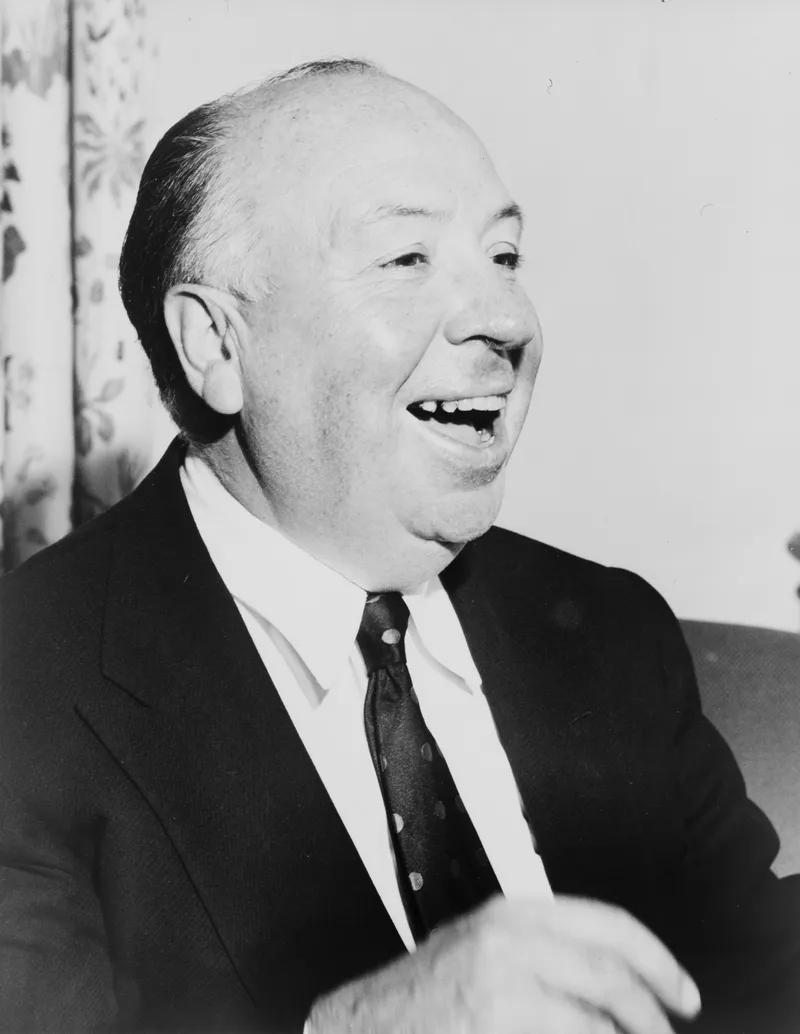
That is why the wording landed so well. “The bang” is blunt and ordinary. It stands for the visible event: the gunshot, the explosion, the sudden attack, the reveal. But “anticipation” points to something less visible and more powerful: the stretch of time before the event arrives. In plain language, Hitchcock was arguing that fear is often created before anything actually happens. The audience suffers through expectation.
The Bomb Under the Table
His most famous example, repeated in different forms over the years, involved a bomb under a table. If it explodes without warning, the audience gets a few seconds of surprise. If viewers know the bomb is there and the characters do not, the same scene can produce several minutes of suspense. That example helped make the quote memorable because it turned an abstract idea into a useful storytelling rule.
The line resonated beyond film schools because it describes a broader truth about human nerves. People often dread the approach of pain, danger, or embarrassment more intensely than the event itself. Hitchcock gave that feeling a compact expression. He also did it without jargon. Writers, editors, advertisers, and later game designers could all understand the principle immediately: tension comes from controlled delay and from what the audience knows is coming.
Why the Quote Still Lasts
That is why the quote still lasts. It is not remembered just because Hitchcock was famous. It survives because it names a consequence that creators can test in practice. Modern thrillers, horror films, crime series, and even trailers still rely on the same mechanism: reveal enough, wait long enough, and let viewers imagine the impact before it arrives. Hitchcock’s sentence endures because it explains, with unusual economy, how suspense is constructed shot by shot and second by second.
Did You Know?
His bomb-under-the-table example became the classic way he explained the difference between surprise and suspense.