🏺 Recovered from the dusty archives
5 Edited History Photos Used to Rewrite the Past
- What: The article examines how edited political photographs have been used to manipulate public memory and strengthen propaganda by removing or reframing inconvenient visual details.
- Where: Various political and media systems, especially in the Soviet Union, Fascist Italy, North Korea, and the United States.
- When: Mainly the 20th century through the early 21st century, in the context of modern mass media and state propaganda.
Some of history’s most famous political images were not just staged. They were edited. Figures disappeared, handlers vanished, and awkward context was cropped away.
These altered photos mattered because they did more than polish appearances. They helped regimes and media shape memory itself, turning visual evidence into a tool for controlling the story.
1. Stalin's retouched leadership photos
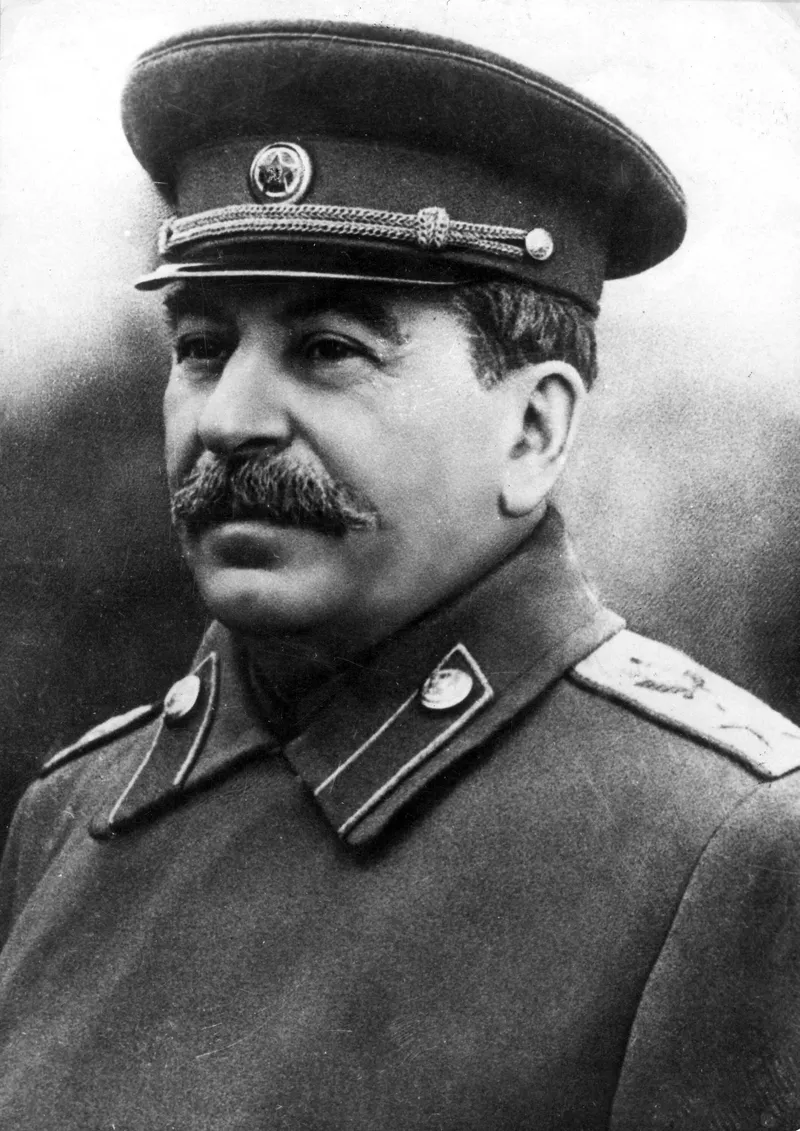
In the Soviet Union under Stalin, official photos were sometimes changed after political purges. Disgraced officials who had once stood beside him could be removed from portraits and news images, painted over so cleanly that later viewers might never know they had been there.
The shock lies in how literal the erasure was. This was not just censorship in text. It was visual deletion, used to suggest that purged figures had never truly belonged in the picture of power at all.
2. Trotsky erased from early Soviet group images
After Leon Trotsky fell from favor, early Soviet images were reissued in altered form. In the well-known 1920 scene of Lenin speaking, Trotsky and Kamenev were airbrushed out of later versions distributed by state publishers.
That made the edit especially powerful: the original moment had not changed, but the public record had. By removing major revolutionaries from iconic images, the state could quietly rewrite who appeared central to the Soviet story.
3. Mussolini's horseback photo, fixed for propaganda
In Fascist Italy, a press image of Benito Mussolini on horseback was edited so that the horse handler disappeared. The result was a cleaner, stronger image: Mussolini alone, upright, and seemingly fully in command.
It is a small edit with a big message. The removed handler exposed the stagecraft behind the pose, so taking him out helped transform an ordinary, controlled photo opportunity into propaganda of effortless authority.
4. North Korean purges rewritten in photos
North Korean state media has re-released images after purges with disgraced figures removed. Following the purge of Jang Song-thaek in 2013, images and presentations of the leadership line were adjusted to exclude him from the visual record.
The effect is chilling because it is so direct. Once someone falls, even recent images can be revised, making political disappearance look almost total. The message is that loyalty is visible only until it suddenly is not.
5. Cold War U.S. press crops that reframed scenes
Not every visual rewrite required airbrushing. During the Cold War, U.S. press editors sometimes relied on cropping wire-service and agency photos to emphasize anti-communist angles and reduce awkward surrounding context.
That matters because cropping can feel less dramatic than deletion while still changing meaning. What stays outside the frame can reshape how a protest, a crowd, or a confrontation is understood, even when the photo itself is technically real.
Across regimes and media systems, the pattern is the same: alter the image, and you alter what later generations think they saw. The camera records a moment, but the published version can become a political decision.