
🎭 Fragments from the heart of civilization
Berlin's §218 Play Ended with a Vote
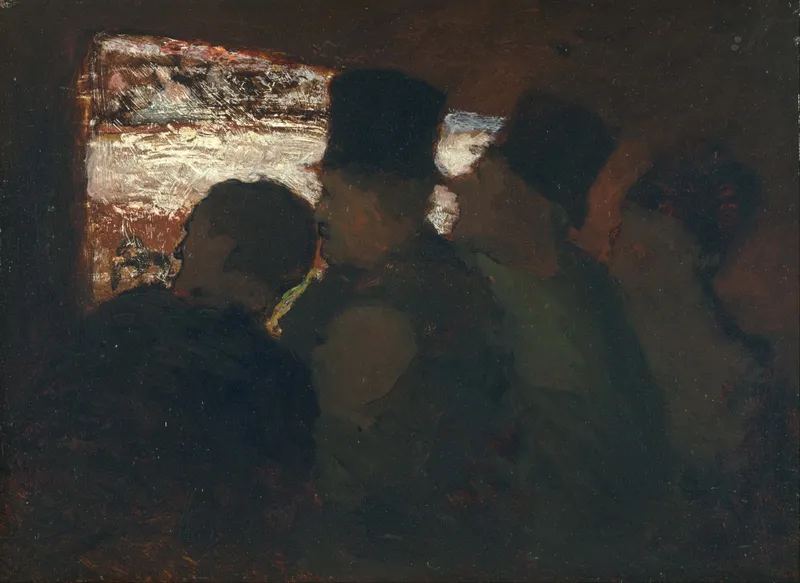
- What: Erwin Piscator’s play §218 turned a Berlin theater audience into participants by having them vote on the abortion-law issue after the performance.
- Where: Berlin, Germany
- When: circa 1929–1930, during the Weimar Republic
In Berlin, director Erwin Piscator staged a play about abortion law and then asked the audience to vote on it before leaving the theater. The production was called §218, after the section of the German criminal code that restricted abortion.
Audience Vote on §218
The event itself is what makes the story stand out. This was not just a play with a controversial theme. At the end of the performance, the auditorium reportedly became part of the argument. Audience members were invited to cast votes on whether §218 should remain in force. In other words, a night at the theater turned into a literal public tally on one of Weimar Germany’s most divisive legal and social questions.
Piscator was already known for political theater that used film, documents, and direct appeals to the public. §218 fit that method. The law had long criminalized abortion in Germany, but in the 1920s it was under intense public debate, tied to class, medicine, religion, and women’s lives. Reformers argued that the ban hit poor women hardest. Opponents defended it on moral and social grounds. By putting the issue onstage and then handing the audience a vote, Piscator collapsed the distance between representation and decision.
Weimar Political Theater
That did not mean the theater vote had legal force. It changed no statute that night. But the form mattered. Instead of ending with applause and exit music, the production forced a visible count inside the room. The audience was no longer only watching a public controversy. For a moment, it was performing one.
The broader context helps explain why this happened in Berlin and why it happened then. Weimar culture was full of experiments that treated art as a social instrument rather than sealed-off entertainment. Piscator pushed that idea hard. His productions often tried to make spectators think like citizens, not just consumers of drama. §218 may be the clearest example: the subject was law, and the ending imitated politics.
Berlin Theater and Abortion Law
What remains concrete is the image. In a Berlin theater during the Weimar era, people came to see a play named for an abortion statute and ended the evening by voting on that same statute in their seats. The result did not rewrite German law, but the production made the law physically present in the auditorium, as something counted by actual hands in an actual room.
Did You Know?
§218 was named for the specific section of the German criminal code that restricted abortion.