
⚙️ Traces from the dawn of innovation
Volkswagen Keyless Entry Flaw Exposed in Millions of Cars
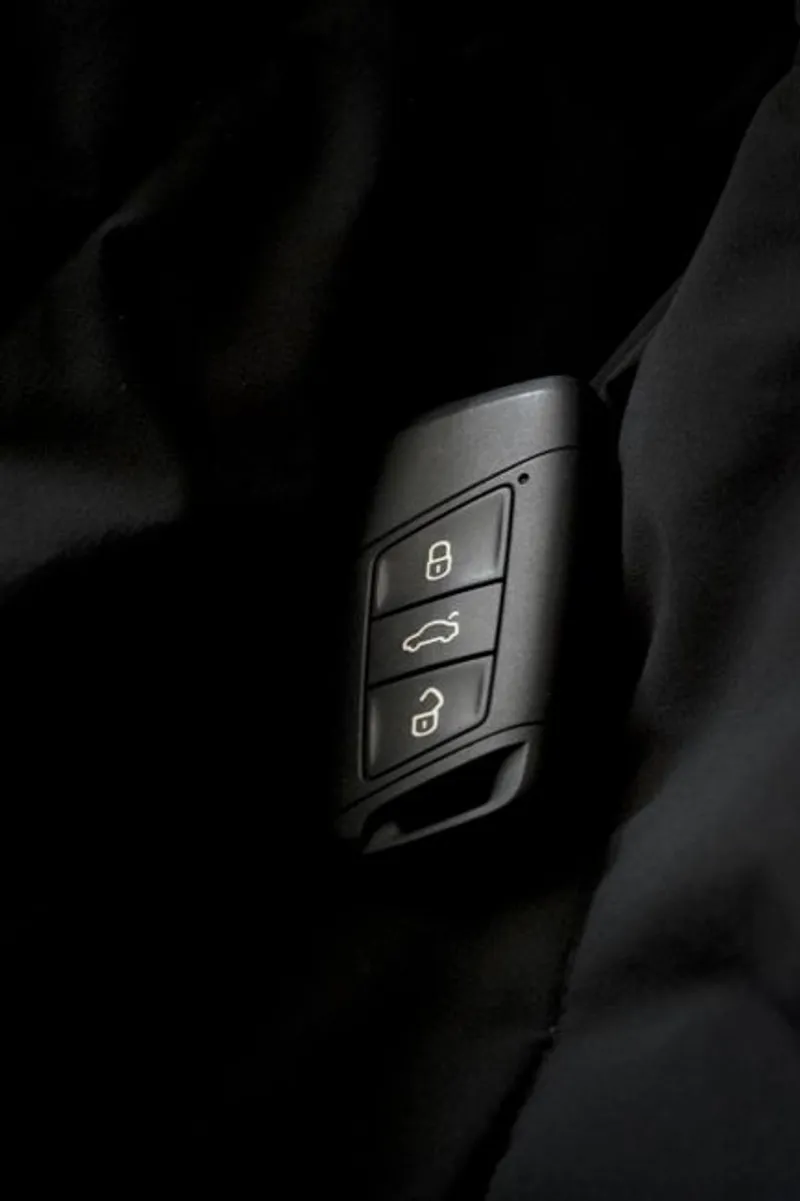
- What: Researchers reported that millions of Volkswagen Group vehicles used a small shared set of cryptographic keys in their remote keyless entry systems, creating a large-scale security weakness.
- Where: Volkswagen Group vehicles and related remote keyless entry systems.
- When: Models built roughly from 1995 to 2016, with the finding disclosed in 2016.
In 2016, researchers disclosed that millions of Volkswagen Group cars built over roughly two decades shared a small set of cryptographic keys in their remote keyless entry systems. That design choice meant an attack that should have stayed narrow suddenly applied at enormous scale.
How the Keyless Entry Flaw Worked
The finding came from researchers linked to the University of Birmingham and engineering partners in Europe, who showed that remote signals from key fobs could be captured and analyzed with relatively inexpensive radio equipment. The core issue was not that every car used the exact same code, but that many models relied on a very limited family of secret keys embedded across vehicles from about 1995 to 2016. Once those keys were recovered, the attack surface widened dramatically.
Volkswagen Group brands affected reportedly included Volkswagen and other group marques using related systems during that period. The researchers were careful about publication because they did not want to hand over a ready-made guide for misuse. Their work focused on the architecture behind the system: a shared cryptographic foundation that reduced uniqueness between cars.
Attack Limits and Real Risk
That distinction matters. This was not a case of someone casually unlocking any car in a parking lot with a phone app. The attack required capturing radio transmissions from a target key fob and using technical knowledge and hardware to work with those signals. But it also was not a one-off weakness limited to a niche model line. The same underlying shortcut appeared across millions of vehicles over many years.
The scale is what makes the story stick. Cars built over about two decades, across multiple brands, carried remote entry systems tied back to a tiny pool of secret material. In security terms, that turns a local engineering compromise into an industrial problem. A weakness in one implementation can be patched or isolated; a weakness repeated across generations becomes part of the fleet itself.
Millions of Volkswagen Cars Affected
The concrete implication was simple and uncomfortable: a remote keyless entry system that looked unique to each owner was, under the surface, connected to a shared cryptographic scheme spread across millions of Volkswagen Group vehicles. For owners of affected cars, the problem was not dramatic movie-style hacking. It was that a small design shortcut in the 1990s stayed on the road into the 2010s.
Did You Know?
Remote keyless entry systems typically use rolling or changing codes, which are meant to make captured signals harder to reuse.