
🏺 Recovered from the dusty archives
Saladin's Capture of Jerusalem and the Unusual Surrender
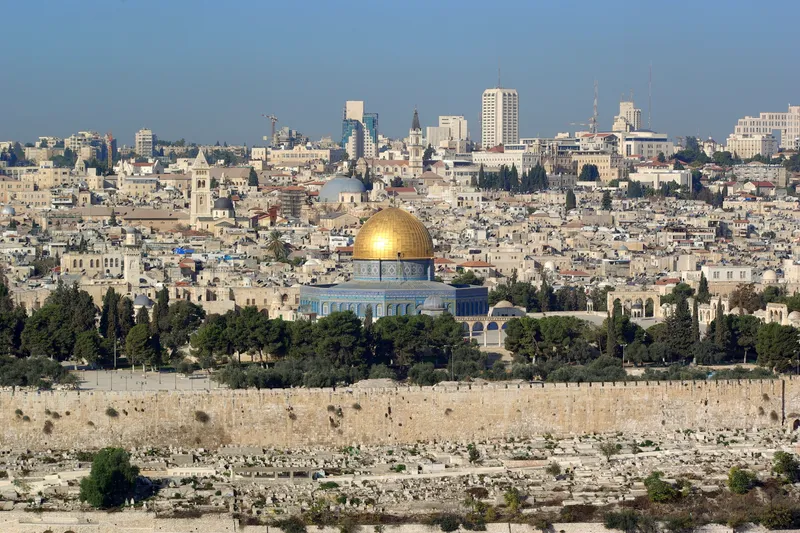
- What: Saladin captured Jerusalem in 1187 through negotiated surrender and ransom rather than ordering a massacre, while preserving major holy sites.
- Where: Jerusalem, in the Kingdom of Jerusalem.
- When: After the Battle of Hattin in July 1187 and the siege ending in early October 1187.
When medieval armies took major cities, people often expected bloodshed. But when Saladin captured Jerusalem in 1187, the outcome was different: instead of ordering a massacre, he accepted a negotiated surrender, allowed many Christian inhabitants to leave after ransom, and kept key holy sites intact.
Battle of Hattin and the Siege
The turning point came after the Battle of Hattin in July 1187, when Saladin’s forces shattered the main army of the Kingdom of Jerusalem. With much of the crusader leadership broken, city after city fell. By the time his army reached Jerusalem in September, the city had few good options. Its defense was led by Balian of Ibelin, who entered negotiations as the siege tightened.
There was real fear inside Jerusalem. The memory of the First Crusade’s capture of the city in 1099, when many Muslim and Jewish inhabitants were killed, still hung over the place. That history helps explain why Saladin’s terms stood out. After talks, Jerusalem surrendered in early October 1187. Rather than letting the city be stormed, Saladin arranged terms under which many residents could buy their freedom through ransom. Some who could not pay were enslaved, so this was not a gentle or modern settlement, but it was notably more controlled than the massacre many had feared.
Ransom Terms and Holy Sites
Accounts from the period and later chroniclers describe efforts to preserve major religious sites, including the Church of the Holy Sepulchre, which remained a Christian holy place, and Muslim sanctuaries that Saladin restored to Islamic worship. The city changed hands, but it was not wrecked in the way conquest often brought. Even some of Saladin’s enemies and later European writers treated this as evidence of restraint, though admiration in medieval sources should always be read alongside politics, reputation-building, and the needs of chroniclers.
The broader context matters. Saladin was not acting outside war; he was consolidating a hard-won victory, presenting himself as a legitimate ruler, and managing one of the most symbolically charged cities in the region. Negotiated surrender, ransom, and protection of sacred spaces served political as well as religious purposes. It was practical statecraft as much as personal character.
Why the Surrender Was Unusual
That is why the capture of Jerusalem in 1187 remains so striking in concrete terms: a besieged city expected a sack, but instead got terms, ransom lists, and guarded holy places. In one of the era’s most charged conquests, the result was not no suffering, but something more controlled than many inside the walls had reason to fear.
Did You Know?
When medieval armies took major cities, people often expected bloodshed. But when Saladin captured Jerusalem in 1187, the outcome was different: instead of ordering a massacre, he accepted a negotiated surrender, allowed many Christian inhabitants to leave after ransom, and kept key holy sites intact.
Battle of Hattin and the Siege
The turning point came after the Battle of Hattin in July 1187, when Saladin’s forces shattered the main army of the Kingdom of Jerusalem. With much of the crusader leadership broken, city after city fell. By the time his army reached Jerusalem in September, the city had few good options. Its defense was led by Balian of Ibelin, who entered negotiations as the siege tightened.
There was real fear inside Jerusalem. The memory of the First Crusade’s capture of the city in 1099, when many Muslim and Jewish inhabitants were killed, still hung over the place. That history helps explain why Saladin’s terms stood out. After talks, Jerusalem surrendered in early October 1187. Rather than letting the city be stormed, Saladin arranged terms under which many residents could buy their freedom through ransom. Some who could not pay were enslaved, so this was not a gentle or modern settlement, but it was notably more controlled than the massacre many had feared.
Ransom Terms and Holy Sites
Accounts from the period and later chroniclers describe efforts to preserve major religious sites, including the Church of the Holy Sepulchre, which remained a Christian holy place, and Muslim sanctuaries that Saladin restored to Islamic worship. The city changed hands, but it was not wrecked in the way conquest often brought. Even some of Saladin’s enemies and later European writers treated this as evidence of restraint, though admiration in medieval sources should always be read alongside politics, reputation-building, and the needs of chroniclers.
The broader context matters. Saladin was not acting outside war; he was consolidating a hard-won victory, presenting himself as a legitimate ruler, and managing one of the most symbolically charged cities in the region. Negotiated surrender, ransom, and protection of sacred spaces served political as well as religious purposes. It was practical statecraft as much as personal character.
Why the Surrender Was Unusual
That is why the capture of Jerusalem in 1187 remains so striking in concrete terms: a besieged city expected a sack, but instead got terms, ransom lists, and guarded holy places. In one of the era’s most charged conquests, the result was not no suffering, but something more controlled than many inside the walls had reason to fear.
VideoScript:Jerusalem fell in 1187, and many expected a massacre.
That expectation was not random. When crusaders took the city in 1099, huge numbers of people were killed. So when Saladin surrounded Jerusalem, fear inside the walls was intense.
But the city surrendered through negotiation. Many Christian inhabitants were allowed to leave after paying ransom. Major holy sites were kept intact.
It was still conquest. Some who could not pay were enslaved. But compared with what many expected, Saladin’s capture of Jerusalem stood out for restraint, and even enemies took notice.
Summary:- What: Saladin captured Jerusalem in 1187 through negotiated surrender and ransom rather than ordering a massacre, while preserving major holy sites.
- Where: Jerusalem, in the Kingdom of Jerusalem.
- When: After the Battle of Hattin in July 1187 and the siege ending in early October 1187.
Saladin’s family name was al-Ayyubi; the Ayyubid dynasty was named after his father, Ayyub, not after Saladin.