
🧪 Echoes from the lab
Apollo 12 Lunar Dust Problem Changed Later Moonwalks
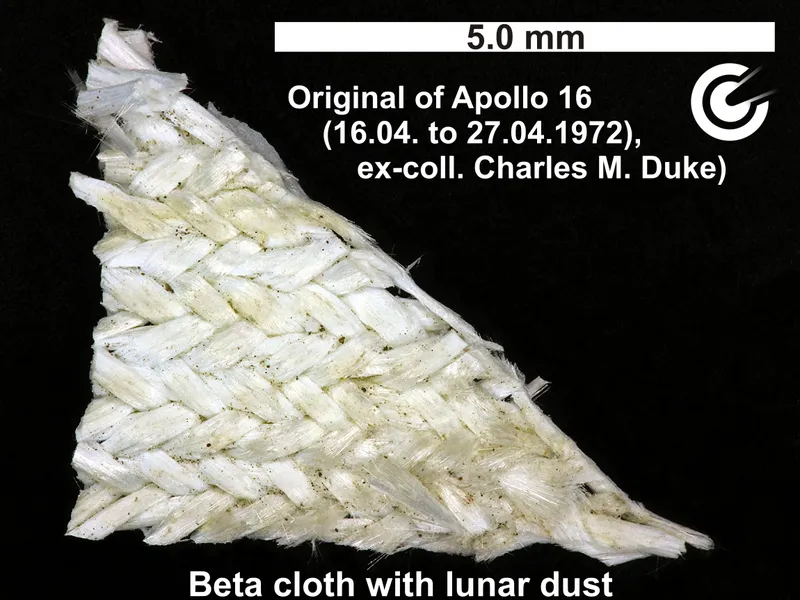
- What: Apollo 12 revealed that lunar dust was a significant engineering problem because it clung to gear and crew equipment, leading NASA to improve dust-control procedures for later Moon missions.
- Where: Oceanus Procellarum on the Moon.
- When: November 1969, during Apollo 12.
In November 1969, Apollo 12 showed NASA that lunar dust was not a minor nuisance. Once astronauts Pete Conrad and Alan Bean started working on the Moon, the dust stuck to their suits, coated tools, and began wearing on equipment in ways that were hard to ignore.
Apollo 12 Lunar Dust Effects
The problem became obvious during the moonwalks at Oceanus Procellarum. Fine gray dust clung to boots, gloves, sample containers, and camera gear. It got tracked into the Lunar Module and followed the crew back inside after each excursion. Reports from the mission described it as pervasive, hard to brush off, and abrasive. That mattered because Apollo missions depended on equipment that had to keep working in a harsh environment with very little margin for failure.
NASA had already seen lunar dust on Apollo 11, but Apollo 12 turned it into an operational lesson. The second landing involved more surface work, more movement, and more contact with the terrain. That gave engineers and mission planners a clearer picture of how much dust could build up during routine tasks. It was not just dirty. It interfered with visibility on surfaces, affected connectors and mechanisms, and raised concern about long-term wear on suits, seals, and hardware.
NASA Dust Control Changes
For later Apollo missions, NASA responded with practical changes rather than dramatic redesigns. Procedures were adjusted to limit how dust was brought into the Lunar Module. Crews paid more attention to brushing and cleaning before reentry. Hardware and packing methods were refined to reduce contamination of tools and samples. Equipment handling also became more deliberate, because anything placed on the surface or against a suit could come back coated in abrasive powder.
These were small operational tweaks, but they changed how later moonwalks were conducted. Apollo 14, 15, 16, and 17 all worked with a better understanding that lunar dust was an active engineering problem, not background scenery. The lesson was simple and important: on the Moon, even the surface itself could steadily degrade the machines meant to explore it.
Why Apollo 12 Still Matters
That is why Apollo 12 matters beyond its landing date. It forced NASA to treat dust control as part of mission design. Later crews walked, cleaned, stowed, and reentered with that lesson in mind, because the Moon’s powdery surface had already shown it could cling, spread, and grind away at the hardware keeping the mission going.
Did You Know?
Apollo 12 also proved a precise landing was possible: it touched down only about 185 meters from the unmanned Surveyor 3 spacecraft.