🫀 Secrets of the human vessel
Helicobacter pylori Experiment Changed Ulcer Treatment Forever
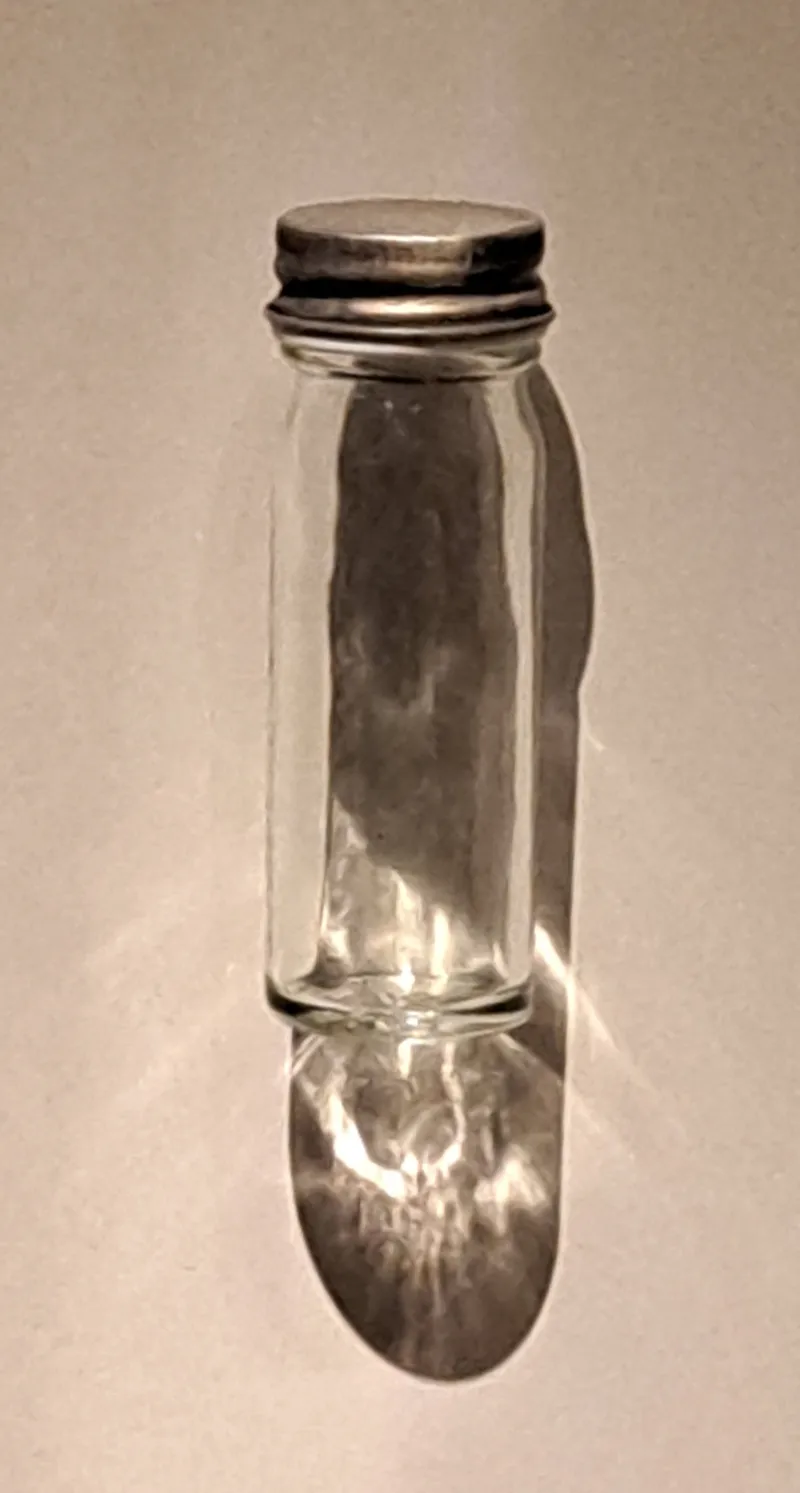
- What: Barry Marshall’s 1984 self-experiment helped demonstrate that Helicobacter pylori can cause gastritis and plays a major role in many ulcers, changing treatment toward antibiotic eradication.
- Where: Perth, Western Australia.
- When: 1984 and the years that followed as ulcer treatment changed.
In 1984, Australian physician Barry Marshall drank a lab culture of Helicobacter pylori. Within days, he developed acute gastritis. That self-experiment became one of the clearest turning points in modern ulcer medicine.
How Ulcers Were Understood
At the time, many doctors believed peptic ulcers were caused mainly by stress, excess acid, lifestyle, or a certain “ulcer personality.” The standard logic followed from that idea: reduce acid, manage symptoms, and, in severe cases, operate. The stomach was widely seen as too acidic for bacteria to survive in any meaningful way.
Marshall and pathologist Robin Warren thought that assumption was wrong. Working in Perth, Western Australia, they had been studying curved bacteria found in the stomach lining of patients with gastritis and ulcers. They suspected the microbe now known as Helicobacter pylori was not just present, but central to the disease process.
Barry Marshall’s Self-Experiment
The problem was proof. Growing the bacterium was difficult, and the idea that an infection could drive ulcers met resistance. So Marshall took an extreme step: he swallowed the culture himself. He soon developed nausea, vomiting, and inflammation of the stomach lining consistent with acute gastritis. The experiment did not by itself prove every ulcer case came from H. pylori, but it strongly supported the link between the bacterium and upper gastrointestinal disease.
The deeper misconception was not simply “stress causes ulcers.” Stress can affect symptoms and stomach function. Acid still matters, too. But the older view treated ulcers mainly as a chemical or emotional problem, when many cases had an infectious component. That distinction changed everything, because the treatment for an infection is different from the treatment for irritation alone.
H. pylori and Ulcer Treatment
Over time, evidence from many studies established that H. pylori plays a major role in most duodenal ulcers and many gastric ulcers. Treatment shifted accordingly. Instead of relying only on antacids, acid suppression, or surgery, doctors began using antibiotic-based regimens aimed at eradicating the bacterium. That change dramatically reduced ulcer recurrence for many patients.
The concrete legacy of Marshall’s 1984 experiment is not the stunt itself. It is that ulcer care moved from managing a chronic condition to curing many cases with antibiotics, replacing older assumptions with a testable microbial cause and a more effective treatment path.
Did You Know?
Robin Warren and Barry Marshall were later awarded the 2005 Nobel Prize in Physiology or Medicine for their discovery of H. pylori’s role in gastritis and peptic ulcer disease.