🧪 Echoes from the lab
Tardigrades Survived Space Exposure in ESA FOTON-M3 Test
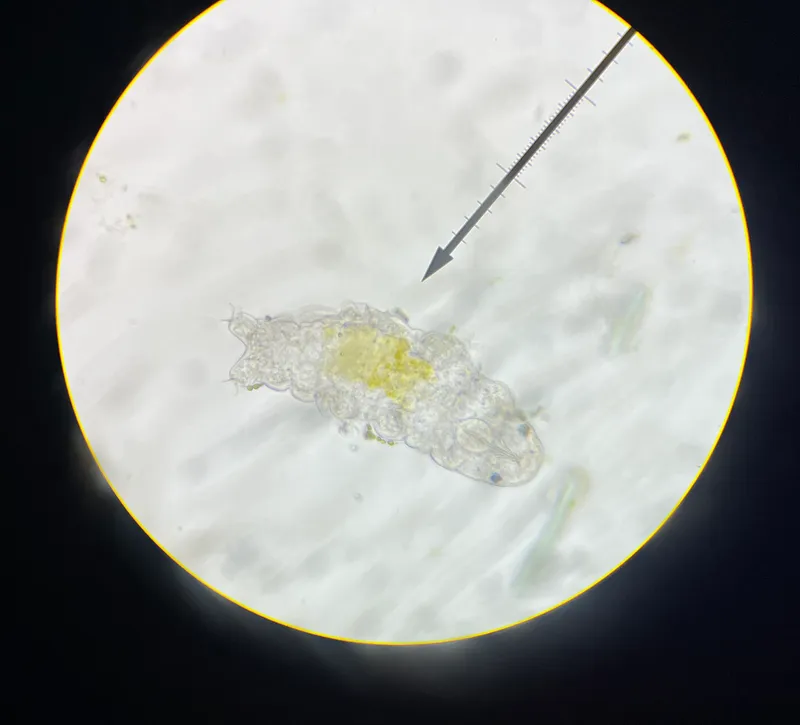
- What: In 2007, ESA’s FOTON-M3 mission exposed dried tardigrades to open space, and many survived vacuum while some also survived ultraviolet radiation.
- Where: On the exterior of the FOTON-M3 spacecraft in open space.
- When: 2007, during the spacecraft’s roughly 12-day flight.
In 2007, a small European Space Agency experiment placed tardigrades on the outside of the FOTON-M3 spacecraft and exposed them to open space. The result was simple and surprising: many survived vacuum, and some also survived intense ultraviolet radiation.
TARDIS Experiment on FOTON-M3
The mission carried a biology package called TARDIS, attached to the spacecraft exterior during its roughly 12-day flight. Tardigrades, also called water bears, were dried into a cryptobiotic state before launch. In that state, their metabolism drops to nearly undetectable levels. Researchers wanted to see whether that shutdown mode could protect them not just from dehydration on Earth, but from the much harsher conditions of space.
Outside the capsule, the animals faced near vacuum and wide temperature swings. Some samples were also exposed to different bands of solar radiation. When the spacecraft returned and the specimens were rehydrated, a substantial number recovered after vacuum exposure alone. A smaller group also survived combined exposure to vacuum and ultraviolet radiation, depending on the species and the radiation dose. The most damaging factor was ultraviolet light, especially at shorter wavelengths.
Cryptobiosis and Space Survival
That distinction matters. The experiment did not show that tardigrades can casually live in space, and it did not make them indestructible. Survival depended on being dried out first, on the exact exposure conditions, and on the species tested. The animals were not active and roaming around in orbit. They endured the trip by entering an extreme suspended state and then reviving after return.
Even so, the FOTON-M3 results pushed known limits of animal survival. Before this, cryptobiosis was already known to help tardigrades tolerate freezing, dehydration, and low oxygen. The spacecraft test showed that this protection can extend into open-space conditions better than many researchers had expected, at least for short periods and under specific radiation exposures.
Why the FOTON-M3 Test Matters
The concrete implication is narrow but important: if a tiny animal can survive direct space exposure in a dormant state, then biologists and space researchers have a real model for studying stress tolerance, radiation damage, and the outer boundaries of life. FOTON-M3 did not prove animals can thrive in space. It proved that tardigrades, prepared in cryptobiosis and mounted on a spacecraft exterior, can survive more of it than expected.
Did You Know?
Tardigrades are also commonly called water bears.