
🌿 Stories carved by wind and water
Snowdonia Peatland Rewetting Brought Curlews Back to Breed
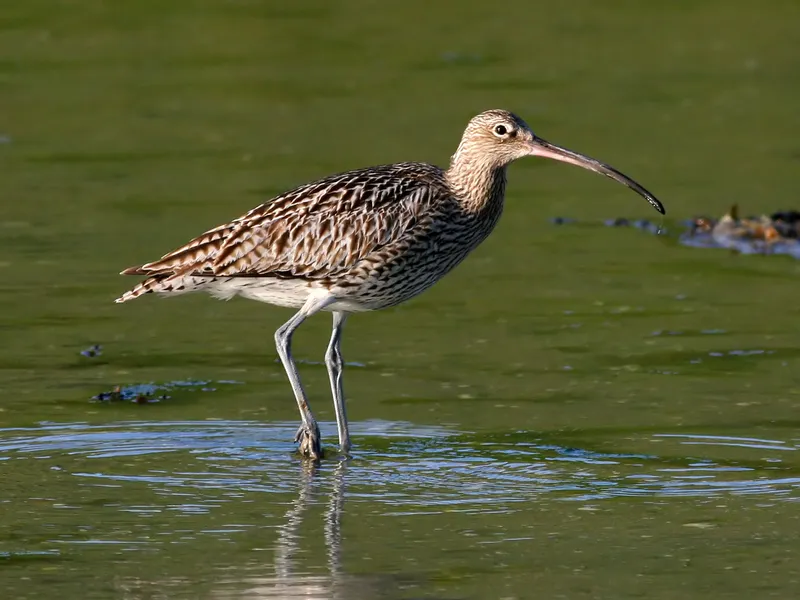
- What: Rewetting peatland on an upland farm in Eryri helped bring breeding curlews back after they had been absent since the 1990s.
- Where: Eryri (Snowdonia), on an upland farm with restored peatland.
- When: After a few seasons of restoration, following a long absence since the 1990s.
In Eryri, also known as Snowdonia, a practical change to wet upland peat helped bring breeding curlews back to one farm for the first time since the 1990s. The shift did not come from a dramatic species reintroduction or a one-off rescue. It came from rewetting peatland.
How Peatland Rewetting Works
On upland farms, drained peat can look usable in the short term, but it often loses the soggy, uneven conditions many wet-ground species need. If restoration puts water back into that system by blocking drains, slowing runoff, and raising the water table, the ground begins to change. Pools last longer. The surface softens. Invertebrate life can recover. Then birds that depend on that habitat have a reason to return.
That appears to be what happened in this part of Eryri after a few seasons of restoration. Curlews, absent as breeding birds on the farm since the 1990s, came back and nested again. For a species associated with open, wet, upland ground, that is a highly specific signal. It suggests the site was not just greener or wetter in a general sense. It had become suitable in the ways that matter for breeding.
Curlews Breeding in Eryri
This is not a miracle-recovery story, and it does not mean every restored peatland will quickly produce the same result. Curlews face multiple pressures, including habitat loss, predation, and wider landscape change. A returning pair on one restored farm is not the same as a full population rebound. But it is still important evidence that habitat repair can shift conditions fast enough for sensitive breeding birds to respond within a relatively short window.
The bigger consequence is practical. Peatland restoration is often discussed in terms of carbon storage, flood management, and water quality. Those are major reasons to do it. In Eryri, it also changed the breeding prospects for a bird that had disappeared from that farm for decades. That links land management directly to species return, without needing to overstate the outcome.
Peatland Restoration and Species Return
What happened on this upland site is concrete: after just a few restoration seasons, wetter peat created breeding conditions that had been missing since the 1990s, and curlews used them. In a place where the loss had lasted for decades, the return was tied to a specific fix in the ground underfoot.
Did You Know?
Curlews have one of the longest bills of any European wading bird, which helps them probe soft ground for invertebrates.