
🛍️ Artifacts of human ingenuity
UPC Barcode First Scan Started With Wrigley's Gum
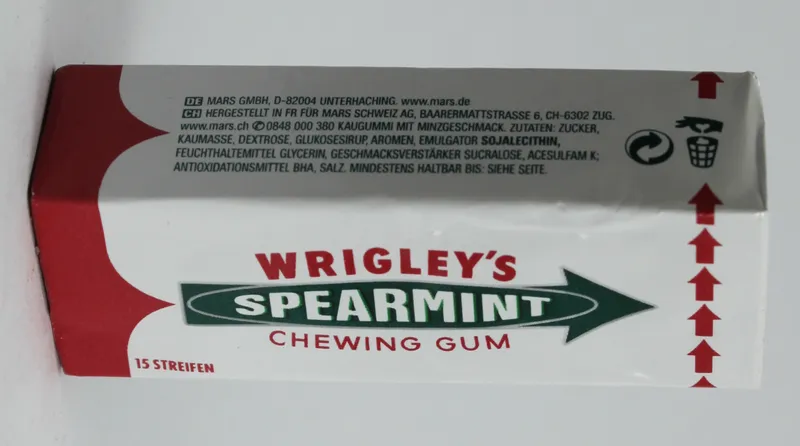
- What: The first retail UPC barcode scan took place on a pack of Wrigley’s Juicy Fruit gum, marking the practical start of automated checkout in U.S. supermarkets.
- Where: Marsh supermarket in Troy, Ohio.
- When: June 26, 1974.
On June 26, 1974, at a Marsh supermarket in Troy, Ohio, the first UPC barcode used in a retail checkout was scanned on a pack of Wrigley’s Juicy Fruit gum. It was a small purchase, but it marked the practical start of automated checkout in American stores.
First Retail UPC Scan
The moment itself was ordinary. A cashier passed the gum across the scanner. The register read the code. The sale went through. There was no dramatic product launch, no futuristic display, and no complicated item chosen to show off the system. It was gum, selected in part because a small, common item made sense in a real supermarket lane.
That is what makes the event stand out. The Universal Product Code had already been developed, and retailers and manufacturers had spent years getting stores, packaging, and equipment ready. But a standard only becomes real when it works in a live transaction. At Marsh in Troy, the barcode moved from planning and testing into everyday retail.
Why Wrigley’s Gum Was First
Wrigley’s gum became the symbol of that shift because it was the first item actually scanned in that checkout setting. The specific pack from that purchase is often reported to have been preserved and is often cited in accounts of barcode history. The point was not the gum itself. The point was that one machine-readable label could connect a product package to a price lookup system quickly and reliably enough for normal shopping.
How UPC Barcodes Changed Checkout
The consequence was bigger than the purchase. Once checkout could identify items automatically, stores could move toward faster lines, more consistent pricing, cleaner sales records, and better inventory tracking. That changed how supermarkets operated behind the scenes as much as it changed the customer-facing checkout counter. The barcode did not instantly transform every store overnight, but this scan showed the system could work where it mattered most: in a real sale, with a real customer, in a regular grocery store.
So the practical beginning of checkout automation did not arrive through an expensive appliance or a major electronics demo. It arrived in Troy, Ohio, in 1974, on a pack of Wrigley’s gum at Marsh supermarket, where a routine grocery purchase became the first retail UPC scan.
Did You Know?
The scanned gum pack is often reported to be preserved and is often cited as the first product ever sold with a UPC barcode in retail checkout.