
🎭 Fragments from the heart of civilization
Huarochirí Khipus Managed Water and Labor Records
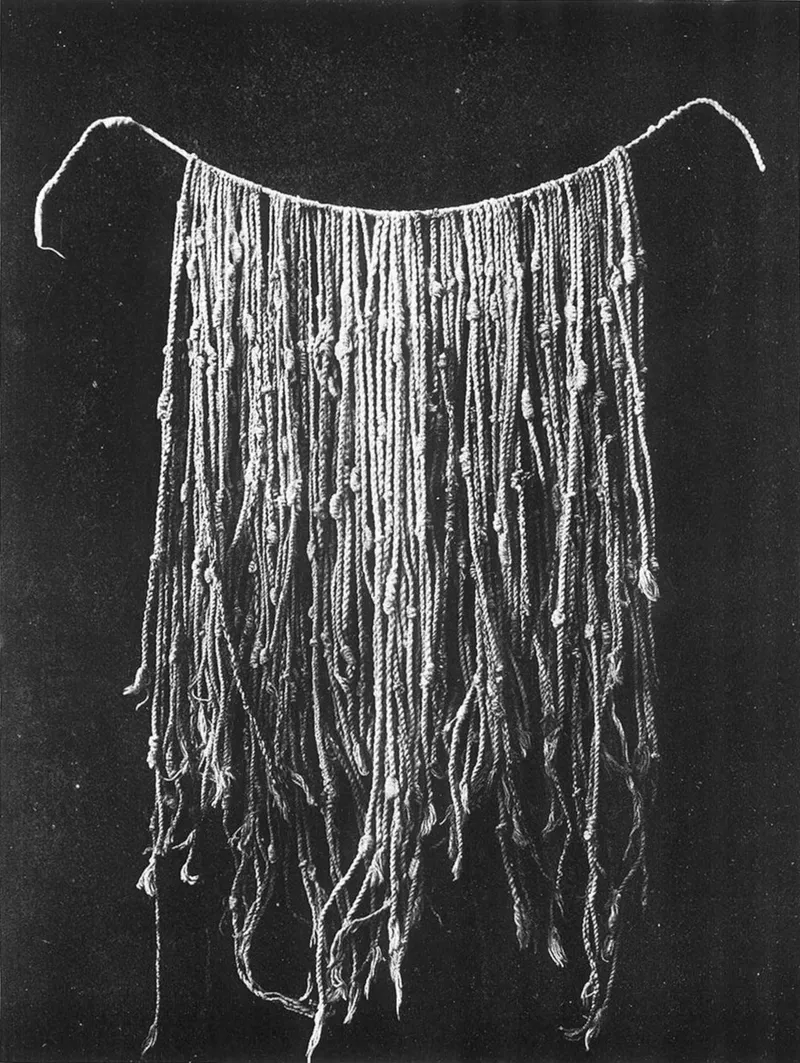
- What: The article explains that khipus in Huarochirí, Peru, were practical community records used to help track irrigation schedules, labor duties, and canal maintenance over time.
- Where: Huarochirí, Peru, in the Andes.
- When: Colonial-era and intergenerational community use.
In Huarochirí, Peru, khipus were not just symbolic objects or imperial relics. Communities used these knotted cords to help preserve irrigation schedules and canal maintenance responsibilities across generations, helping organize water use in a demanding mountain landscape.
How Khipus Recorded Information
The basic idea is simpler than many people assume. A khipu is a record made from cords and knots. Different knot types, cord positions, and groupings could encode information. In the Andes, that made khipus practical tools for administration. In Huarochirí, where farming depended on carefully timed irrigation and collective upkeep of canals, a durable record system mattered.
That is where the local example becomes especially concrete. Colonial-era accounts from the Huarochirí region describe communities managing water, labor, and obligations through established local institutions. Scholars have also pointed to Andean evidence that khipus were used beyond state accounting, including in community life. In Huarochirí, this has been linked to the preservation of irrigation-related knowledge and work schedules over time, not as abstract memory aids but as working records tied to seasonal needs and shared labor.
Water and Labor Management
The important point is not that every detail of every surviving khipu has been fully decoded. Many khipus remain difficult to interpret with certainty, and no definitive one-to-one reading exists for most examples. But that uncertainty can create a misleading picture. The misconception is that khipus matter mainly as mysterious artifacts nobody can read. In reality, historical evidence shows they also functioned as usable information systems. For communities managing water in the Andes, that practical role may have been the most important thing about them.
That matters because irrigation is not just about engineering. It is about timing, responsibility, and memory. A canal has to be cleared. Water turns have to be recognized. Labor has to be coordinated. In Huarochirí, khipus are reported to have helped carry those obligations forward, so the system did not depend on one person remembering everything.
Khipus as Irrigation Records
Seen that way, a khipu from Huarochirí is not best understood as a substitute for writing in the abstract. It is a concrete management tool: a cord record that helped communities track who worked, when water moved, and how an irrigation network stayed operating from one generation to the next.
Did You Know?
The word “khipu” is also spelled “quipu.”