
🌍 Records from the halls of power
Lake Guatavita and the Real Origin of El Dorado
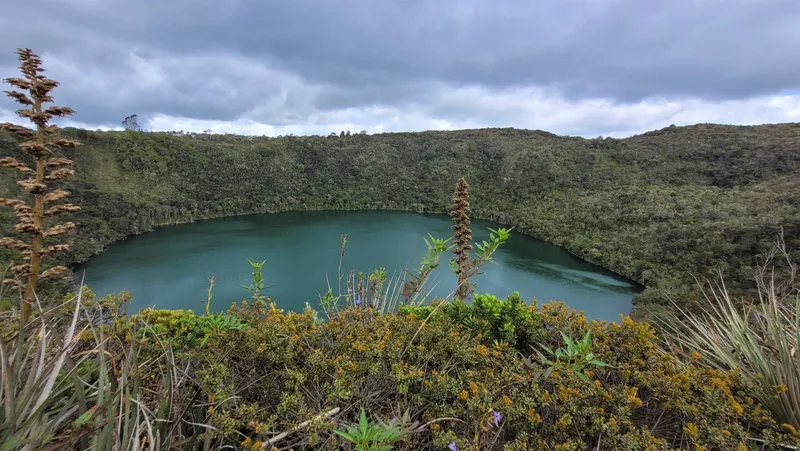
- What: Lake Guatavita in Colombia is a sacred Muisca ritual site that helped inspire the El Dorado legend, which was later exaggerated into a myth of a hidden city of gold.
- Where: Lake Guatavita, northeast of present-day Bogotá, Colombia.
- When: Originating in pre-colonial Muisca ritual life and later retold during the colonial era.
Lake Guatavita in Colombia is one of the real places behind the El Dorado legend. Not a lost golden city, but a high-altitude crater lake long tied to Muisca ritual life.
Muisca Ritual at Lake Guatavita
That difference matters. For centuries, El Dorado was retold as a place packed with treasure. But one of the best-known early versions centered on a ceremony at Lake Guatavita, northeast of present-day Bogotá. According to historical accounts, the Muisca ruler was covered in gold dust and entered the lake while gold objects and other offerings were cast into the water. The ritual, not a literal city of gold, helped fuel the Spanish obsession with finding immense wealth in the region.
How the El Dorado Myth Grew
That story then grew far beyond the lake itself. Colonial treasure-seekers repeatedly tried to drain Guatavita to recover what they believed was at the bottom. Over time, some artifacts were indeed recovered from the lake area, helping confirm that offerings had been made there. But no definitive proof ever turned the site into the vast gold source imagined in European legend. The misconception is the key point: El Dorado did not begin as a proven golden metropolis hidden in the jungle. In this case, it was rooted in a sacred place and in reports of ceremony that were expanded, distorted, and commercialized.
Lake Guatavita Access Rules
Today, Lake Guatavita is part of a protected reserve in Colombia, and access is tightly controlled. Visitors can see the landscape from designated trails, but entering the water is prohibited. Diving is also banned. That rule is not just about safety or tourism management. It reflects the status of the lake as a fragile natural site and a place with deep cultural significance, after centuries of damage caused by attempts to extract wealth from it.
So the concrete reality is sharper than the myth. The site that helped inspire El Dorado is not open for treasure hunting, swimming, or underwater searching. At Lake Guatavita, the water itself is off-limits, and the former target of extraction is now protected from it.
Did You Know?
Lake Guatavita is a natural circular lake, not a man-made reservoir.