
🎭 Fragments from the heart of civilization
Aboriginal Australian Songlines Map Water and Travel
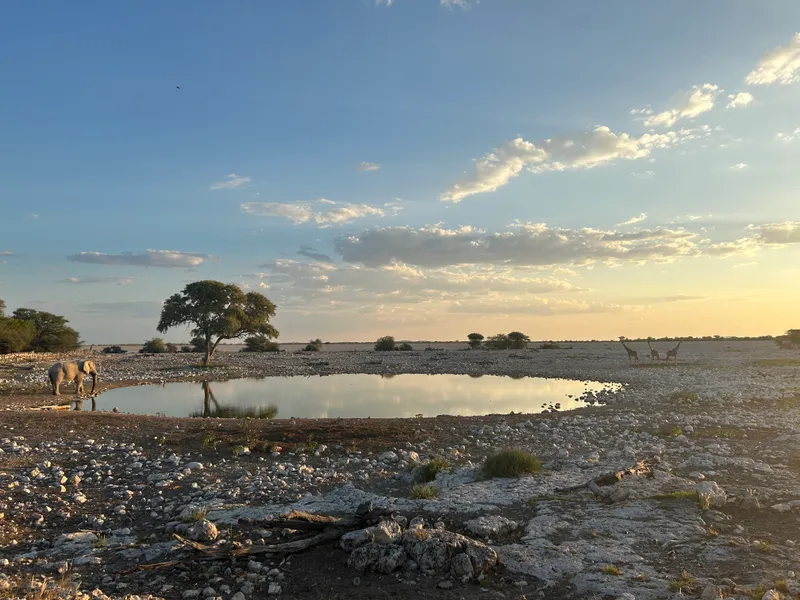
- What: Songlines are Aboriginal Australian knowledge systems that link landscape features through song, helping people navigate routes and find water without written maps.
- Where: Across Australia, especially in dry and arid Country where water sources are critical.
- When: Ongoing traditional knowledge used across generations.
Aboriginal Australian songlines are often described as stories, but that misses what they do. Across many parts of Australia, songlines have also functioned as practical systems of knowledge, encoding routes, landmarks, and water sources across Country without written maps.
How Songlines Guided Travel
The basic idea is simple, even if the knowledge itself is highly detailed and specific to particular peoples and places. A songline links features in the landscape through verse, rhythm, sequence, and named sites. As a person moves through Country, the order of the song matches the order of the land. A bend, a ridge, a soak, a rock formation, a claypan, or a waterhole is not just remembered visually. It is held in a pattern of words, melody, and ceremony that can guide movement across long distances.
That does not mean all Aboriginal cultures used one map or one universal song system. Aboriginal Australia includes hundreds of distinct nations, languages, and traditions, and songlines vary across regions. In some places, a route could connect ceremonial knowledge, seasonal travel, kinship obligations, and access to water. In arid parts of the continent, where reliable water could determine survival, remembering where waterholes, soaks, and springs lay was not poetic decoration. It was infrastructure stored in memory.
Songlines and Water Sources
A useful way to picture it is this: instead of unfolding paper, a traveler could recall a sequence. The song might cue direction, distance, and the order of stopping points. Knowledge holders also read the ground itself, using the position of landmarks, ecological signs, and inherited local expertise. The songline was not magic navigation. It worked because it was tied to real terrain and maintained through repetition, teaching, and custodianship.
The common misconception is that songlines belong only to “myth” and therefore sit outside practical life. That split does not fit many Aboriginal knowledge systems, where spiritual, legal, ecological, and geographic knowledge can be inseparable. A route could be sacred and useful at the same time. Treating it as folklore detached from place strips away the precision that made it functional.
Songlines as Place-Based Knowledge
Seen that way, songlines are not vague legends drifting above the map of Australia. They are place-based knowledge systems, held differently by different communities, that could carry exact information about movement and water across immense distances. In the Australian landscape, especially in dry country, that made them not just meaningful, but operational.
Did You Know?
Some songlines can stretch across many language groups and nations, so travelers may need to know multiple versions of the same route.