🌿 Stories carved by wind and water
7 Animals That Survive Freezing Conditions and Reawaken in Spring
- What: This list explains how certain animals survive winter by either tolerating internal freezing or avoiding it through supercooling and antifreeze-like chemicals.
- Where: Cold and temperate environments, including Arctic and northern regions.
- When: During winter.
Winter usually means one thing for animals: avoid freezing or die. But a small set of species does something that sounds impossible. They let their bodies edge into shutdown, survive frozen or near-frozen conditions, and then return when spring warmth arrives.
These are animals that overwinter through freeze tolerance, supercooling, or internal antifreeze compounds. Some survive actual ice inside the body. Others avoid freezing while everything around them turns solid.
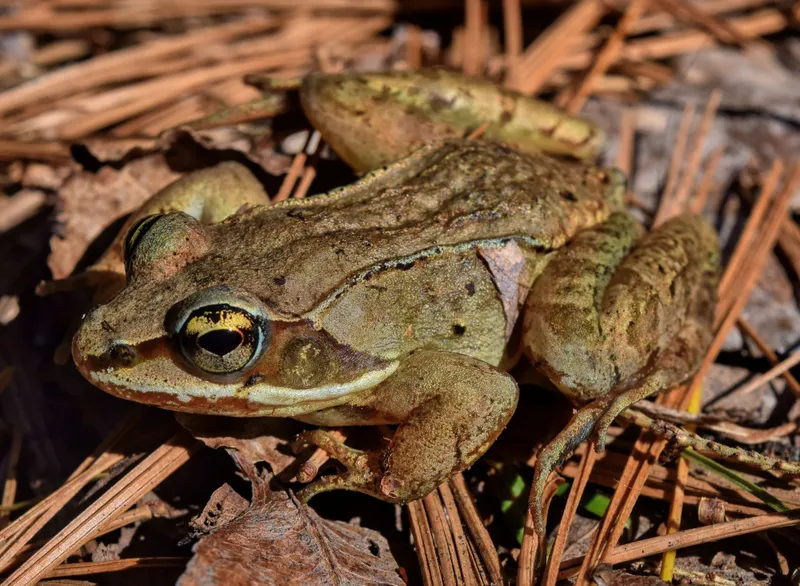
1. Wood frog — winter as a frozen 'stone'
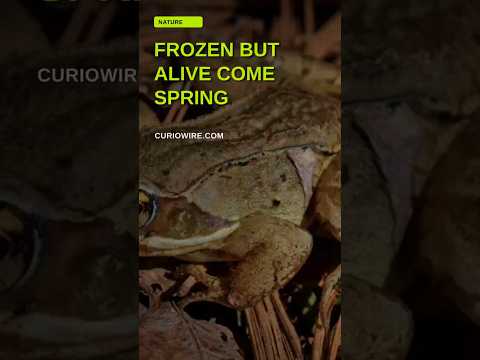
The wood frog is one of the clearest examples of freeze survival. During winter, a large share of its body water can freeze, and the frog becomes nearly motionless until it thaws.
What makes that survivable is chemistry. Its tissues flood with glucose, along with urea, which act as cryoprotectants that help cells endure the freeze. When spring returns, the frog thaws and normal life resumes.
2. Painted turtle hatchlings — frozen in the nest (briefly)
Painted turtle hatchlings spend winter underground in their nests. During sharp cold snaps, they can survive internal ice for days and even make it through repeated freeze-thaw events.
The surprising part is the limit. They are not continuously frozen for the entire winter. Instead, they endure brief freezing episodes in the nest and then emerge in spring when conditions finally improve.
3. Siberian salamander — arctic freeze survivor
The Siberian salamander is built for some of the harshest northern cold. It can withstand whole-body freezing at very low temperatures and later resume normal physiology after thawing.
That ability helps explain how it lives in extreme northern habitats where winter is long and brutal. This is not just slowing down in the cold. It is surviving a body-wide freeze and coming back from it.
4. Goldenrod gall fly larvae — insect ice-proofing
Inside the round galls on goldenrod plants, gall fly larvae pass the winter in place. Their bodies can survive internal ice formation while they wait out the season.
They do it with a protective mix that includes glycerol and sorbitol. Those compounds help keep tissues viable until spring, when the frozen stillness ends and development continues.
5. Wood-boring insects — supercooled in frozen wood
Some wood-boring beetle larvae spend winter hidden inside wood that has frozen solid around them. But instead of letting ice form inside their own bodies, they avoid that step altogether.
They survive through deep supercooling and antifreeze compounds. In other words, they remain unfrozen even in intensely cold surroundings, then revive with spring warmth as the wood around them thaws.
6. Certain Arctic insects — freeze-thaw specialists
In the Arctic, some insects live through winters that would destroy most animals. Certain springtails and midges can tolerate repeated freeze-thaw cycles or survive by deep supercooling.
The key surprise is their endurance. This is not a single lucky freeze. They can make it through multiple cold shocks in one season and still resume activity in spring without lasting damage.
7. Tadpoles of some frogs — near-freezing torpor (not true freezing)
Not every winter survivor actually freezes. Tadpoles of some frogs spend the season under ice-covered water that stays just above 0 C, with metabolism drastically slowed.
That distinction matters. They are generally not tolerant of internal ice formation. Their survival comes from near-freezing torpor, followed by a restart of feeding and growth when spring conditions return.
Taken together, these species show two different winter strategies: tolerate ice inside the body, or avoid it with supercooling and chemical protection. Either way, spring does not create new life here. It restarts life that nearly stopped.
Did You Know?
Wood frogs have been found north of the Arctic Circle in Alaska, making them among the most northerly ranging amphibians in North America.